
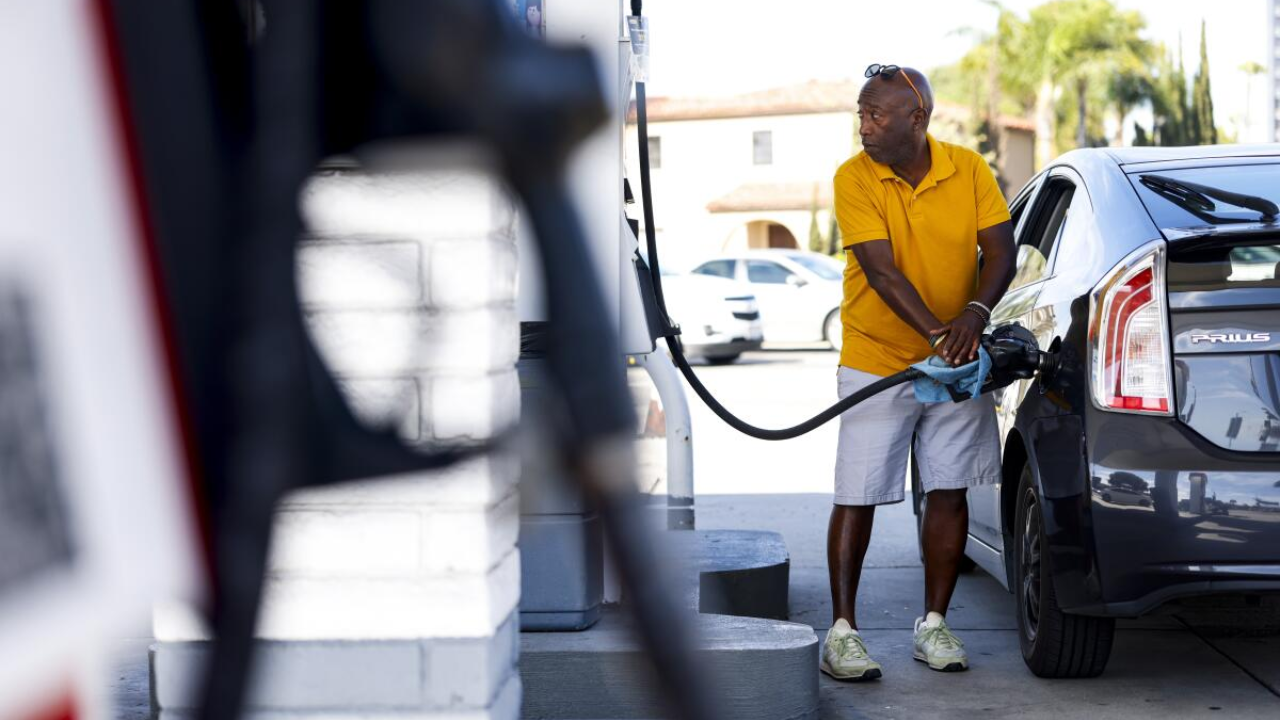
As gasoline prices remain stubbornly high across California, many Los Angeles drivers are making significant adjustments to their daily routines in an effort to reduce transportation costs. With inflation continuing to affect household budgets and fuel expenses consuming a larger share of monthly income, commuters throughout the region are rethinking how, when, and even whether they drive.
The latest surge in gas prices has sparked frustration among residents who depend on their vehicles for work, school, and everyday activities. From reducing unnecessary trips to embracing public transportation and electric vehicles, Angelenos are finding creative ways to cope with rising costs at the pump. The trend highlights the broader economic pressures facing consumers as California continues to experience some of the highest fuel prices in the nation.
Drivers Change Habits to Reduce Fuel Expenses
Many Los Angeles residents are responding to elevated gasoline prices by altering their driving behavior. Some commuters are combining errands into a single trip, while others are choosing alternative routes designed to reduce fuel consumption and avoid traffic congestion. Remote work arrangements have also become an important tool for cutting transportation expenses.
Families are increasingly planning travel more carefully, limiting recreational driving and postponing nonessential trips. Carpooling has gained renewed popularity among workers seeking to split fuel costs, particularly for long-distance commutes. Drivers say even small adjustments can add up to meaningful savings over time.
For some households, transportation budgeting has become a monthly necessity. Rising fuel prices have forced many consumers to prioritize spending and seek efficiencies wherever possible. The result is a noticeable shift in driving patterns across Southern California.
Inflation and Fuel Costs Create Financial Pressure
The increase in fuel prices comes at a time when many consumers are already grappling with broader inflationary pressures. Higher costs for groceries, housing, utilities, and other necessities have left less room in household budgets for transportation expenses.
Financial experts note that gasoline prices often have a disproportionate impact on families because transportation is essential for most workers in Los Angeles County. Unlike discretionary purchases, commuting expenses are difficult to eliminate entirely, making fuel costs particularly challenging during periods of economic uncertainty.
Small business owners and independent contractors have also felt the effects. Delivery drivers, rideshare operators, and service providers who rely heavily on vehicles face increased operating expenses that can reduce profitability. Many have been forced to adjust pricing or seek ways to improve efficiency.
Alternative Transportation Options Gain Attention
As fuel prices remain elevated, alternative transportation methods are attracting increased interest. Public transit systems have seen renewed attention from commuters looking to lower travel costs. Buses, trains, and ridesharing programs provide options that can significantly reduce monthly fuel spending.
Electric vehicles continue to gain popularity among drivers seeking long-term savings. Although the upfront purchase cost remains a consideration, many consumers view EVs as a way to reduce dependence on gasoline. Hybrid vehicles are also attracting buyers who want improved fuel efficiency without fully transitioning to electric transportation.
Cycling and walking have become practical alternatives for shorter trips in some neighborhoods. Local governments have encouraged these options through investments in bike lanes and pedestrian-friendly infrastructure designed to support sustainable transportation choices.
How L.A. Drivers Are Adjusting
| Adjustment Strategy | Purpose |
|---|---|
| Carpooling | Share fuel expenses with others |
| Remote Work | Reduce commuting frequency |
| Combining Errands | Cut unnecessary driving |
| Using Public Transit | Lower transportation costs |
| Switching to Hybrid Vehicles | Improve fuel efficiency |
| Purchasing Electric Vehicles | Reduce gasoline dependence |
| Route Optimization | Avoid traffic and save fuel |
| Reducing Leisure Trips | Limit discretionary spending |
| Cycling or Walking | Replace short vehicle trips |
| Budget Monitoring | Manage transportation expenses |
Economic Impact Extends Beyond Individual Drivers
High fuel prices affect more than just motorists. Businesses throughout Los Angeles often face increased transportation and shipping costs when gasoline becomes more expensive. Those additional expenses may eventually be passed on to consumers through higher prices for goods and services.
Tourism-related industries can also feel the impact. Visitors may reduce travel activity or adjust vacation plans when transportation costs rise significantly. Meanwhile, industries dependent on vehicle fleets must carefully manage operational budgets to remain competitive.
Economists point out that sustained increases in fuel prices can influence consumer confidence and spending habits. When households devote more income to transportation, they often reduce spending in other areas, creating ripple effects throughout the broader economy.
Uncertainty Surrounds Future Fuel Prices
Many drivers remain concerned about what lies ahead. Fuel prices can be influenced by numerous factors, including global oil markets, refinery operations, environmental regulations, seasonal demand, and geopolitical developments. As a result, predicting future gasoline costs remains difficult.
State and local officials continue monitoring market conditions while exploring policies aimed at improving energy reliability and affordability. Consumer advocates have called for greater transparency regarding fuel pricing and supply issues, while industry representatives emphasize the complexity of the energy market.
For now, many Los Angeles residents are preparing for continued uncertainty by maintaining the cost-saving habits they have adopted during recent price increases. Whether prices stabilize or continue climbing, drivers appear increasingly focused on finding long-term solutions.
Rising gasoline prices are forcing Los Angeles drivers to rethink transportation decisions and household budgets. Faced with higher costs at the pump and ongoing inflation, residents are embracing strategies ranging from carpooling and remote work to public transit and electric vehicles.
The adjustments reflect a broader effort to adapt to changing economic conditions while maintaining access to essential transportation. As fuel prices continue to influence daily life throughout Southern California, the choices made by drivers today may shape long-term transportation trends across the region.
FAQ’s:
Why are Los Angeles drivers changing their habits?
Many are trying to reduce transportation expenses as gasoline prices and inflation place pressure on household budgets.
What strategies are drivers using to save money?
Common approaches include carpooling, remote work, public transportation, combining errands, and purchasing fuel-efficient vehicles.
How do high gas prices affect the economy?

They increase transportation costs for consumers and businesses, potentially leading to reduced spending in other sectors.
Are electric vehicles becoming more popular?
Yes. Many consumers are considering electric and hybrid vehicles to reduce long-term fuel expenses.
Will gas prices continue to rise?
Future prices depend on various factors including oil markets, refinery operations, demand levels, and broader economic conditions.

















Ariana Grande Plans Break From Public Spotlight After Tour Amid Ongoing Scrutiny