
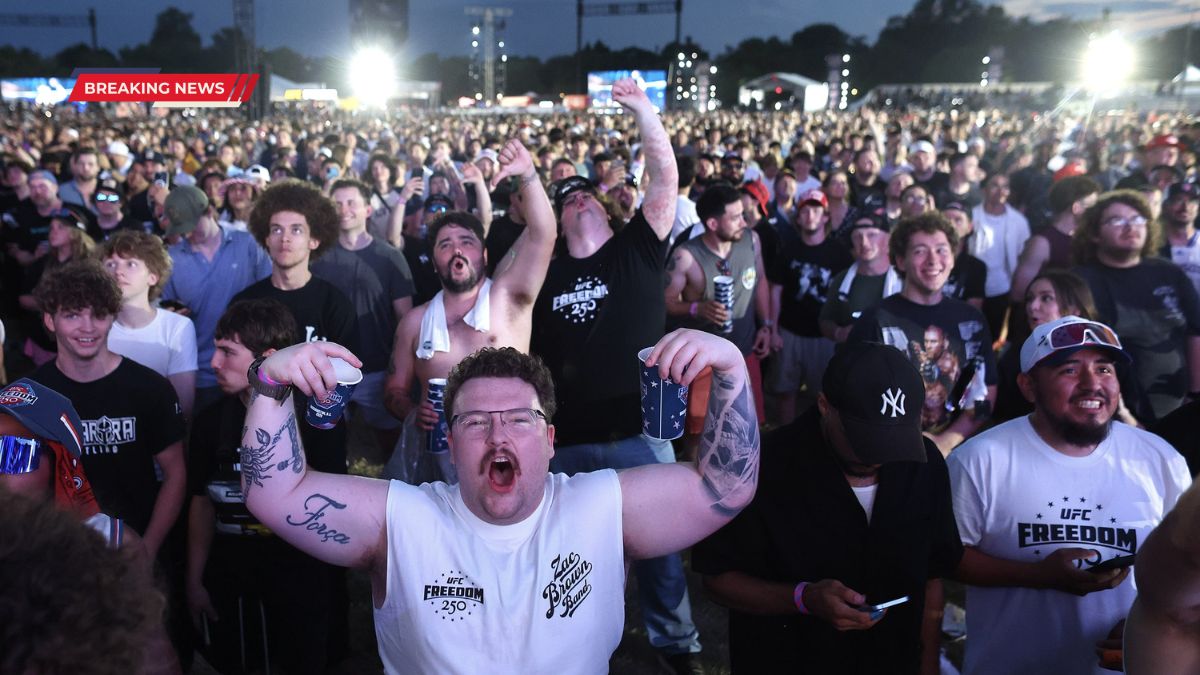
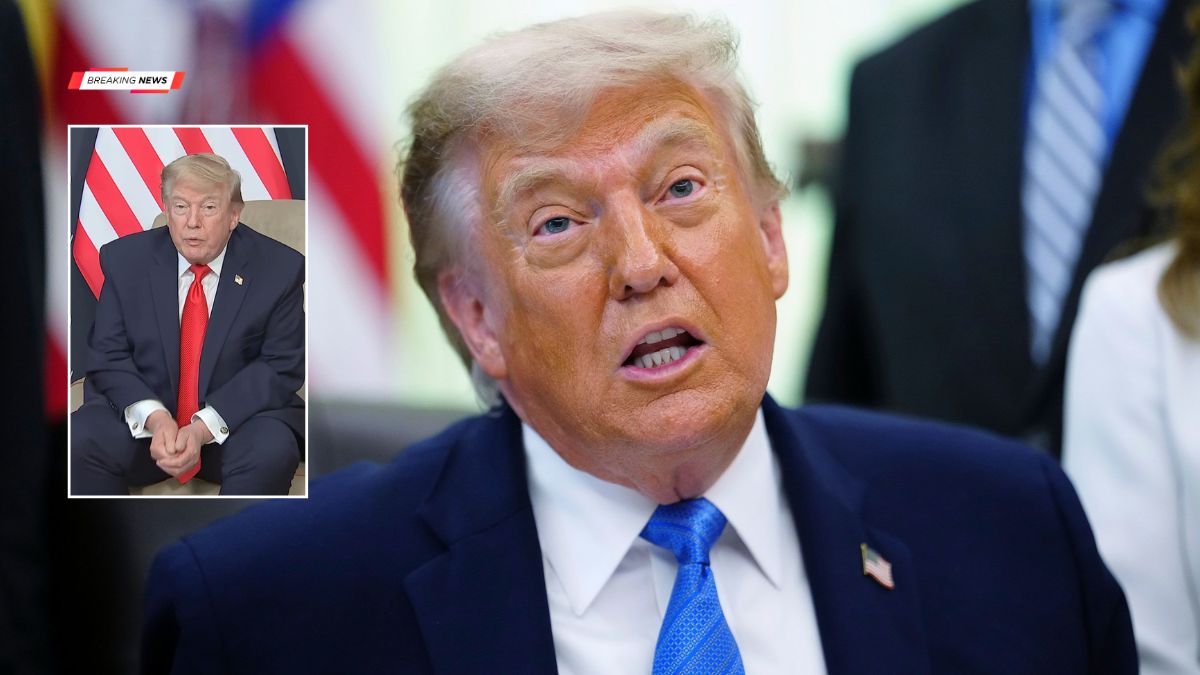
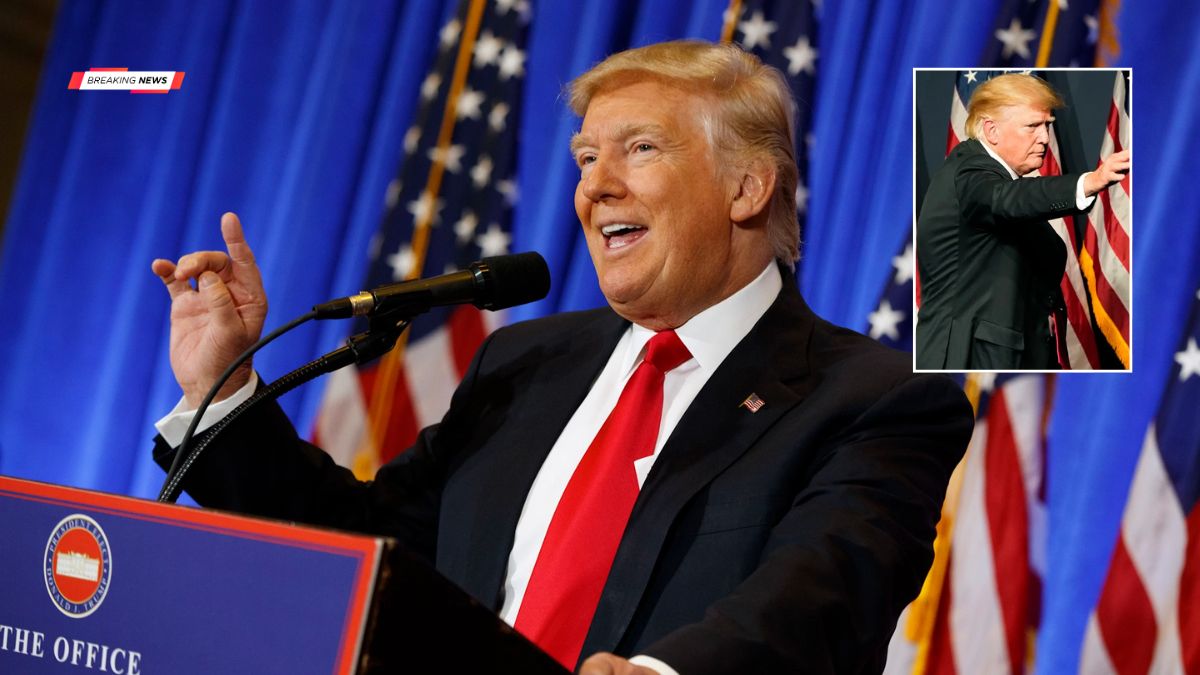
A mixed martial arts event held on the South Lawn of the White House drew global attention as the UFC staged a special card that coincided with President Donald Trump’s 80th birthday and broader national celebrations. The event, promoted as UFC Freedom 250, brought professional fighting into an unusual setting for American politics and public ceremony.
The card combined sporting competition, entertainment production, and state-level ceremonial elements, creating an event that required extensive logistical planning and significant financial resources. According to filings referenced by federal agencies, the setup involved tens of thousands of labor hours and substantial infrastructure built specifically for the temporary outdoor arena.
Setting
The White House South Lawn was transformed into a temporary fight venue built around a central Octagon structure. The event space included seating for more than 4,000 attendees and was covered by an open-air installation designed to protect the cage and audience.
Officials confirmed that additional staging, lighting, security checkpoints, and broadcast equipment were installed for the event. The Marine Band performed live music, and the national anthem was delivered by Zac Brown, marking a departure from standard UFC programming due to the presence of national ceremonies.
Military flyovers from the Blue Angels and Air Force Thunderbirds were also part of the program, reflecting coordination between multiple federal institutions.
Fights
The fight card featured several high-profile bouts, with athletes from different weight classes competing under UFC rules. In the main event, Justin Gaethje defeated Ilia Topuria via corner stoppage in the fourth round to unify the lightweight title.
Gaethje’s victory included a post-fight celebration inside the cage, where he interacted briefly with President Trump. Earlier in the event, Ciryl Gane defeated Alex Pereira by TKO in the second round to capture an interim heavyweight title, setting up a future rematch scenario in the division.
Other notable outcomes included Bo Nickal’s TKO win over Kyle Daukaus, Sean O’Malley’s knockout victory, and wins by Mauricio Ruffy and Diego Lopes. Derrick Lewis, who entered the card after a public invitation from the president, lost his bout to Josh Hokit.
The fights followed standard UFC regulations, but the ceremonial setting and audience composition gave the event a different atmosphere compared to typical arena-based cards.
Production
The White House event required a large-scale production effort. Estimates cited in public filings from the National Park Service placed the cost of staging and infrastructure at more than $60 million, though final accounting figures have not been independently verified.
Key production components included temporary seating structures, reinforced flooring for the Octagon, broadcast platforms, and security installations coordinated with federal agencies. The scale of construction required months of planning and tens of thousands of labor hours.
| Category | Description |
|---|---|
| Infrastructure | Temporary arena and seating |
| Security | Federal and local coordination |
| Broadcast | Global media production setup |
| Logistics | Transport, staging, and equipment |
| Labor | Tens of thousands of work hours |
Such events typically involve coordination between private promoters and government agencies when held on federal property, with costs distributed across event organizers and public services depending on agreements.
Attendance
Attendance included approximately 4,000 ticketed guests on the South Lawn, alongside additional viewers gathered at the nearby Ellipse where public screenings were arranged. High-profile attendees included business executives and public figures from technology and media sectors.
Inside the venue, crowd response varied throughout the card, with quieter moments during early fights and more engagement during decisive finishes. Chants and audience reactions increased as main card bouts progressed.
Security protocols restricted movement between zones, and entry required multiple screening layers due to the federal location and presence of the president.
Politics
The event also highlighted the long-standing relationship between UFC leadership and President Trump. UFC president Dana White has maintained a public association with Trump across multiple political cycles, and Trump has attended UFC events in various capacities while in office.
The White House event represented a continuation of that relationship, bringing a combat sports promotion into a federal ceremonial space. Supporters described the event as a symbolic celebration of sport and national identity, while critics raised questions about the blending of entertainment and government venues.
From an administrative perspective, the use of federal grounds for large-scale private sporting events requires coordination across multiple agencies, including the National Park Service and security services responsible for the White House complex.
Operations
The operational complexity of staging a combat sports event at the White House involved significant planning around safety, weather contingencies, and broadcast requirements. Weather monitoring was a particular focus due to the open-air design of the arena.
The event proceeded without major disruption, although officials had prepared contingency adjustments in case of adverse conditions. Security presence was increased throughout the surrounding area, including public viewing zones outside the main venue.
The integration of ceremonial military displays, live performances, and professional sporting competition required coordination across entertainment producers and government planners, making the event structurally different from standard UFC fight nights.
The White House UFC card concluded without interruption, shifting attention back to athletic results and the broader discussion around the role of large-scale entertainment events in government spaces.
The UFC event at the White House combined professional sports, ceremonial programming, and large-scale production logistics in a setting rarely used for commercial entertainment. While the fights followed standard competitive formats, the environment and coordination requirements made the event operationally distinct from traditional venues.
The financial and logistical scale of the production, along with the involvement of multiple federal agencies, places the event among the more complex sporting presentations staged in Washington in recent years.
FAQs
Where was the UFC event held?
It was held on the South Lawn of the White House in Washington.
What was the event called?
The event was promoted as UFC Freedom 250.
How many people attended?
Around 4,000 guests attended on the South Lawn.
What was the estimated setup cost?
Public filings referenced more than $60 million in setup costs.
Which agencies were involved in coordination?
Federal agencies including the National Park Service and security teams.






Ariana Grande Plans Break From Public Spotlight After Tour Amid Ongoing Scrutiny