
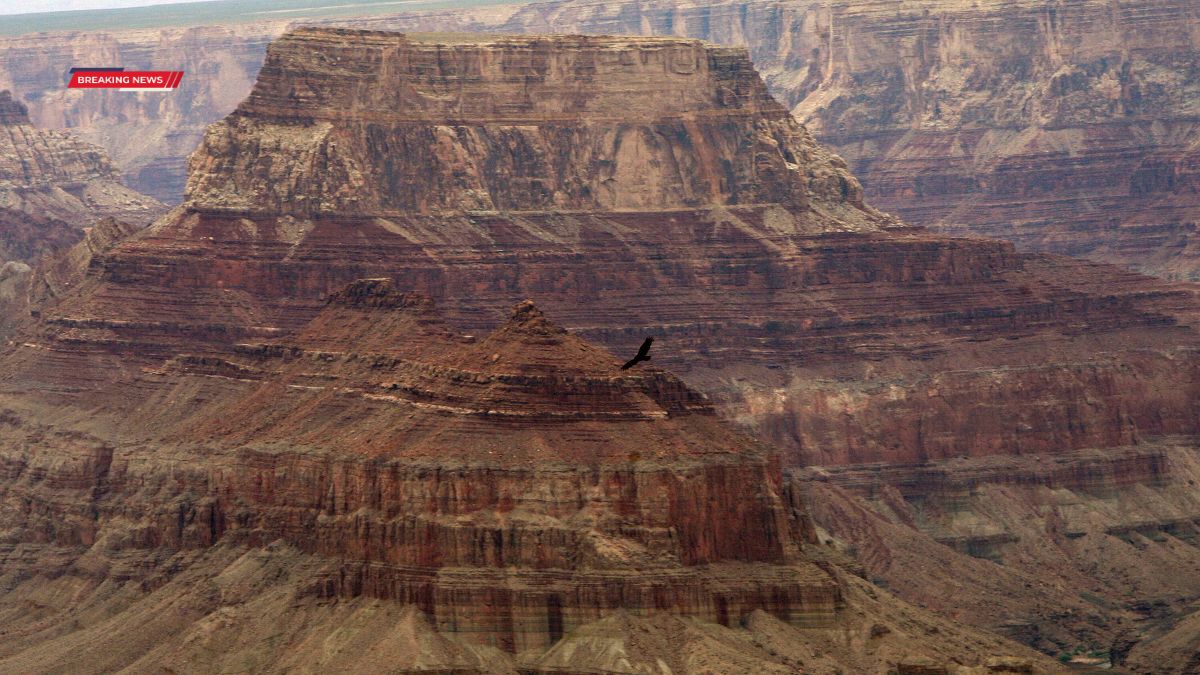
The Grand Canyon is one of the most visited national parks in the United States, but summer conditions can significantly increase risk for visitors on foot. Over a one-week period in mid-June, three hikers died in separate incidents that officials believe were related to extreme heat exposure. The deaths occurred on Inner Canyon trails, where temperatures regularly exceed 109 degrees Fahrenheit during the hottest parts of the day.
Park officials say the incidents highlight the dangers of hiking during extreme heat and underscore the importance of timing, preparation, and awareness when visiting the canyon in summer.
According to the National Park Service, rangers and emergency personnel responded to two heat-related incidents on June 12 and June 16. Together, the responses resulted in three fatalities.
On June 12, a 72-year-old man died while hiking along the South Kaibab Trail. Four days later, a 67-year-old man and a 68-year-old woman died while hiking the North Kaibab Trail. In each case, officials said the deaths were suspected to be caused by heat-related illness.
All three individuals were transported to the Coconino County Medical Examiner’s Office. Investigations into the incidents are ongoing.
Conditions
The Inner Canyon experiences significantly higher temperatures than the rim areas due to lower elevation and limited airflow. During midday hours, temperatures can exceed 109 degrees Fahrenheit even in shaded areas.
Officials note that heat exposure increases as hikers descend, often catching visitors off guard. The canyon’s terrain, combined with reflected heat from rock surfaces, can place heavy strain on the body, particularly during ascent when energy demands are highest.
Recent Pattern
The three deaths follow other recent heat-related emergencies in the park. Earlier this month, an 18-year-old hiker died after experiencing symptoms of heat illness below Havasupai Gardens on the Bright Angel Trail.
At the time of that incident, temperatures in the park were also reported near 109 degrees Fahrenheit. Officials say the growing number of cases reflects seasonal conditions rather than isolated events.
Advisory
Due to ongoing extreme heat, the National Park Service is advising visitors to avoid hiking Inner Canyon trails between 10 a.m. and 4 p.m. This guidance applies to heavily traveled routes such as Bright Angel, South Kaibab, and North Kaibab trails.
Park officials emphasize that emergency response times in the Inner Canyon can be lengthy due to terrain and distance, making prevention critical.
Illness
Heat-related illness occurs when the body is unable to regulate its internal temperature. Limited access to shade, water, or cooling can cause symptoms to escalate quickly.
| Type | Common Symptoms | Severity |
|---|---|---|
| Heat cramps | Muscle pain, fatigue | Mild |
| Heat exhaustion | Dizziness, nausea, confusion | Moderate |
| Heat stroke | Loss of consciousness, high body temperature | Severe |
Heat stroke is considered a medical emergency and can be fatal without immediate treatment.
Risk
Officials stress that heat illness can affect anyone, regardless of age or fitness level. Even experienced hikers may underestimate the combined effects of temperature, distance, and elevation change.
The descent into the canyon often feels manageable, but the return climb requires sustained effort, frequently during rising afternoon temperatures.
Guidance
Visitors are encouraged to begin hikes early in the morning, carry ample water and electrolytes, wear sun-protective clothing, and turn back if symptoms such as dizziness or nausea develop.
Park officials advise that recognizing early warning signs and adjusting plans accordingly can reduce the likelihood of serious medical emergencies.
As summer temperatures continue to rise, the National Park Service says awareness and preparation remain essential. The recent deaths serve as a reminder that extreme heat can rapidly change conditions in the canyon, making careful planning a key part of visitor safety.
FAQs
Why are Inner Canyon temperatures higher?
Lower elevation and reflected heat raise temperatures.
What hours should hikers avoid in summer?
Between 10 a.m. and 4 p.m.
What is the most serious heat illness?

Heat stroke is the most severe.
Can experienced hikers be affected?
Yes, heat illness can affect anyone.
What temperatures were reported recently?
Around 109 degrees Fahrenheit.















Ariana Grande Plans Break From Public Spotlight After Tour Amid Ongoing Scrutiny