A widespread heatwave is developing across much of the United States, bringing high temperatures and elevated humidity levels just days before the Fourth of July holiday. Weather forecasters say the combination of heat and moisture will create conditions that feel significantly hotter than actual air temperatures, affecting daily routines, travel, and outdoor plans across large parts of the country.
The National Weather Service has warned that the system is expected to intensify through the week, with several regions facing prolonged periods of extreme heat and limited nighttime relief.
Heatwave
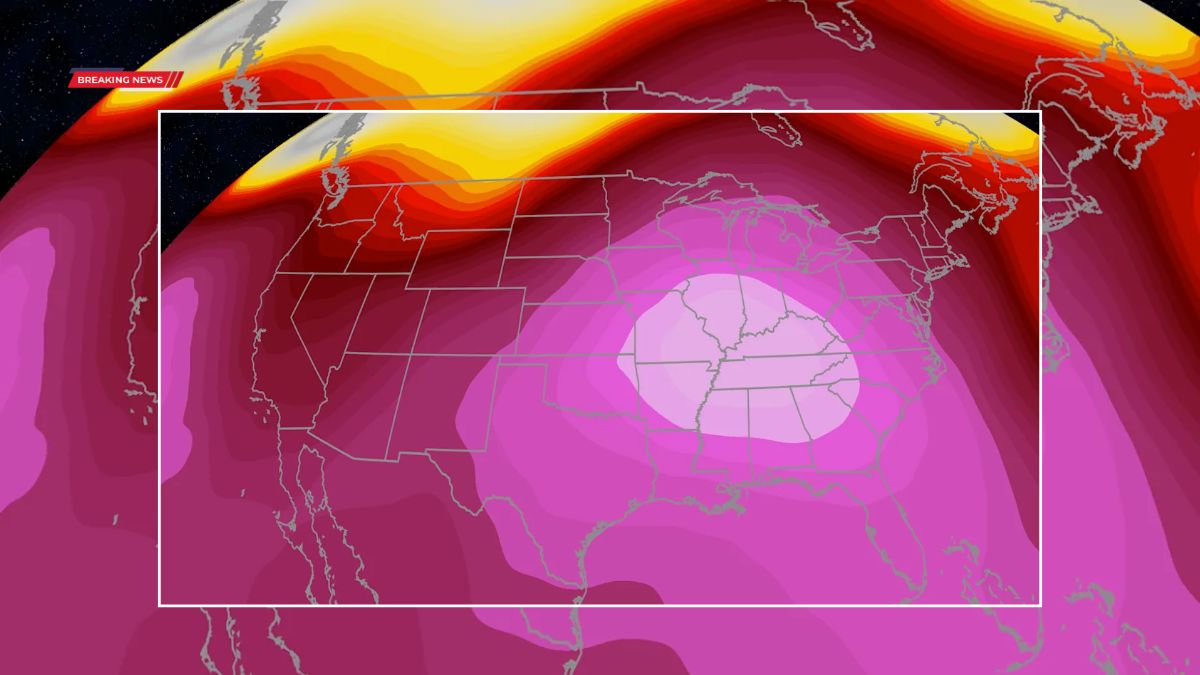
Meteorologists describe the current weather pattern as a strong high-pressure system positioned over the central and eastern United States. This system is preventing cooler air from moving in and reducing the likelihood of rainfall in many areas.
On Sunday, temperatures near or above 100F (38C) were already reported in parts of the Southwest, including Phoenix and central Texas. These conditions are expected to spread eastward and persist for several days, creating a broad zone of heat stretching from the Plains to the East Coast.
More than 130 million people across southern and Great Plains states were already under moderate to severe heat risk over the weekend, and that number is expected to rise as the system strengthens.
Impact
The most significant concern is not just high temperatures, but humidity. When moisture levels in the air increase, the body struggles to cool itself through sweating. This leads to higher heat index values, which reflect how hot it actually feels.
Forecasters say heat index readings could reach between 100F and 115F (38C to 46C) in some areas. These levels can affect both outdoor workers and indoor environments without reliable cooling.
Nighttime temperatures are also expected to remain elevated, limiting recovery time. In several cities, overnight lows may stay in the 70sF (21C to 26C), with some urban areas potentially not dropping below 80F (27C).
Cities
Major metropolitan areas across the Midwest, Northeast, and South are expected to experience significant heat stress during the week. This includes cities that are also preparing for large Fourth of July gatherings and major public events.
| City | Average Early July High | Expected High This Week |
|---|---|---|
| Washington, D.C. | 89F (32C) | ~99-100F (37-38C) |
| Indianapolis | 85F (29C) | ~95-97F (35-36C) |
| New York City | 84F (29C) | ~92-96F (33-36C) |
| Chicago | 85F (29C) | ~95F (35C) |
| Dallas | 95F (35C) | ~103F (39C) |
Cities such as Philadelphia, Baltimore, St. Louis, Detroit, and Memphis are also expected to see temperatures well above seasonal averages.
Science
The current heat pattern is being driven by what meteorologists often refer to as a “heat dome.” This occurs when a strong area of high pressure traps warm air beneath it, similar to a lid covering a pot. As the air sinks, it compresses and heats further, leading to prolonged periods of high temperatures.
AccuWeather meteorologists note that this setup also limits cloud formation and rainfall, allowing more sunlight to reach the surface and further intensify warming during the day.
Because the system is slow-moving, its effects are expected to last several days across multiple regions.
Risks
Health officials emphasize that extreme heat is a broad risk, not limited to specific age groups or health conditions. High humidity increases strain on the body, making it harder to regulate internal temperature.
Heat-related illness can occur during prolonged exposure, particularly during outdoor work, exercise, or events. Urban areas can also experience amplified temperatures due to the heat island effect, where concrete and asphalt retain heat overnight.
Meteorologists also note that this period is considered high risk because nighttime cooling is limited, preventing full recovery from daytime heat exposure.
Wildfires
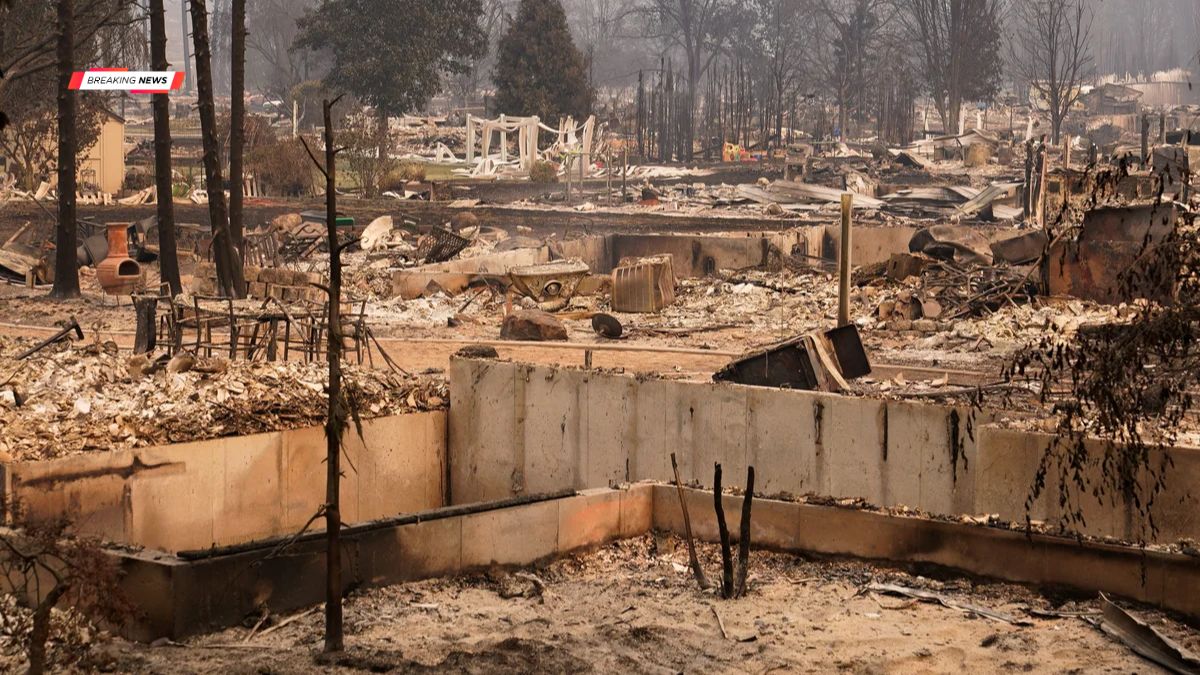
Alongside the heatwave, wildfire conditions are developing across parts of the western United States. Dry vegetation, strong winds, and high temperatures are contributing to increased fire risk in states such as Utah, Colorado, Arizona, and surrounding regions.
Authorities have also reported active fire incidents and emergency responses in multiple locations. In one recent case, firefighters responding to fast-moving wildfire conditions in the Colorado-Utah region were killed, while others sustained injuries.
Fire agencies continue to monitor conditions closely as dry and windy weather persists.
Advice
Officials recommend limiting strenuous outdoor activity during peak afternoon hours and staying hydrated throughout the day. Access to cooling centers or air-conditioned environments can significantly reduce health risks during extended heat events.
People without reliable air conditioning, particularly in densely populated urban areas, may face greater discomfort during overnight hours when temperatures remain elevated.
Simple precautions such as checking on vulnerable neighbors, avoiding direct sun exposure, and adjusting outdoor schedules can help reduce risk during this period.
Outlook
Forecasters expect the heatwave to persist into the weekend across parts of the Great Plains, Southeast, and Mid-Atlantic regions. While some fluctuation in temperatures is possible, overall conditions are expected to remain above seasonal averages.
The combination of heat and humidity is likely to continue shaping travel, public events, and holiday plans across large parts of the country.
As the system slowly shifts, meteorologists will be watching for any relief in rainfall or cooler air masses that could moderate conditions in the following week.