
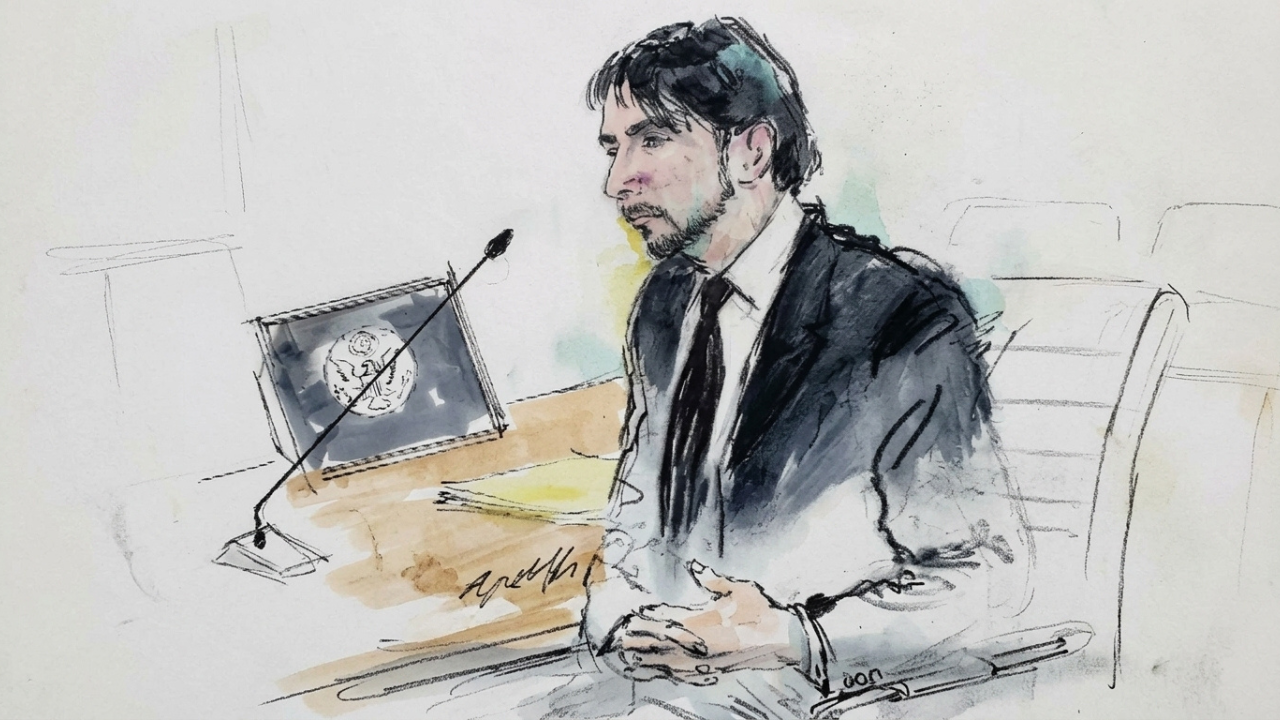
The federal criminal trial of a man accused of starting the destructive Palisades Fire has officially begun in Los Angeles, marking a significant development in one of Southern California’s most closely watched wildfire-related cases. Federal prosecutors allege that the defendant’s actions led to a blaze that threatened public safety, damaged natural resources, and required a massive emergency response from firefighters and law enforcement agencies. The case has attracted widespread attention due to the devastating impact wildfires have had across California in recent years and the growing focus on accountability for fire-related incidents.
As the trial gets underway, jurors are expected to hear testimony from investigators, fire experts, emergency responders, and witnesses who were present during the events leading up to the fire. Prosecutors and defense attorneys are preparing to present competing versions of what occurred, with the outcome potentially carrying significant legal consequences. The proceedings are expected to provide a detailed examination of the fire’s origin, the evidence gathered by investigators, and the circumstances surrounding the defendant’s alleged involvement.
Prosecutors Outline Allegations Behind the Palisades Fire
Federal prosecutors opened their case by outlining allegations that the defendant was responsible for igniting the Palisades Fire. According to court filings and statements presented during the early stages of the trial, investigators concluded that the fire originated in an area where the defendant was allegedly present shortly before flames were reported. Prosecutors contend that evidence collected during the investigation links the accused directly to the ignition point and supports the criminal charges filed against him.
The government is expected to rely heavily on forensic evidence, witness testimony, and expert analysis to establish how the fire began. Fire investigators spent months examining burn patterns, environmental conditions, and physical evidence recovered from the scene. Authorities believe these findings will help demonstrate the sequence of events that led to the wildfire and support claims that the blaze was not caused by natural factors such as lightning or accidental infrastructure failures.
The prosecution’s case also emphasizes the broader consequences of the fire. Officials argue that the incident required a substantial emergency response, placed nearby communities at risk, and caused environmental damage that could take years to recover from. These factors are expected to play a central role as the government seeks to convince jurors of the seriousness of the alleged offense.
Defense Challenges Evidence and Investigation Findings
Defense attorneys have pushed back against the allegations, arguing that prosecutors face a high burden of proof in establishing responsibility for the wildfire. During the opening stages of the trial, defense counsel questioned aspects of the investigation and indicated they would challenge the reliability of evidence presented by the government. Attorneys for the defendant are expected to scrutinize the methods used by investigators and raise questions about whether alternative explanations for the fire have been fully considered.
Wildfire investigations are often highly complex due to environmental factors such as wind, terrain, vegetation, and weather conditions. Defense experts may present testimony regarding fire behavior and the challenges associated with determining an exact cause. Legal representatives for the accused are expected to argue that conclusions reached by investigators may not definitively establish criminal responsibility.
The defense is also likely to focus on reasonable doubt, emphasizing that criminal convictions require proof beyond a reasonable doubt. By challenging witness accounts, forensic findings, and investigative conclusions, attorneys hope to persuade jurors that the evidence is insufficient to support a guilty verdict. The defense’s strategy could significantly influence how jurors interpret the technical testimony expected throughout the trial.
Trial Highlights Growing Focus on Wildfire Accountability
The Palisades Fire case reflects a broader trend in California, where authorities increasingly pursue criminal investigations when evidence suggests a wildfire may have been intentionally set or caused through unlawful conduct. As wildfires become more destructive and costly, law enforcement agencies have devoted additional resources to identifying individuals responsible for igniting blazes that threaten lives and property.
Federal and state officials frequently emphasize the severe consequences associated with wildfire-related crimes. Prosecutors argue that accountability serves both a punitive and deterrent purpose, particularly in regions where dry conditions and high winds can allow small fires to spread rapidly. Cases involving alleged arson or reckless fire-starting behavior often receive significant public attention because of the immense risks posed to communities.
The trial also highlights advances in wildfire investigation techniques. Modern investigators utilize aerial imagery, satellite data, forensic analysis, digital evidence, and expert modeling to determine how fires originate and spread. These tools have become increasingly important as authorities seek to establish responsibility in complex wildfire cases.
Trial Overview Table
| Category | Details |
|---|---|
| Case Type | Federal criminal trial |
| Location | Los Angeles, California |
| Incident | Palisades Fire |
| Defendant | Man accused of starting the wildfire |
| Prosecuting Agency | Federal prosecutors |
| Main Allegation | Responsibility for igniting the fire |
| Key Evidence | Fire investigation findings, witness testimony, forensic analysis |
| Defense Position | Challenges evidence and investigative conclusions |
| Trial Status | Underway |
| Potential Outcome | Conviction, acquittal, or other court resolution |
Evidence Expected During Court Proceedings
Throughout the trial, jurors are expected to hear extensive testimony from wildfire experts and investigators who examined the fire scene. These witnesses will likely explain how they determined the fire’s point of origin and what evidence led them to identify the defendant as a suspect. Such testimony often includes technical explanations regarding burn patterns, fire spread behavior, and environmental conditions present at the time of ignition.
Investigators may also introduce photographs, maps, surveillance footage, and digital records collected during the investigation. Witnesses who observed suspicious activity or events near the fire’s origin could be called to testify. Prosecutors will seek to establish a clear timeline showing the defendant’s movements and actions before the blaze began.
The defense, meanwhile, is expected to cross-examine these witnesses aggressively and present alternative interpretations of the evidence. Experts retained by the defense may dispute conclusions reached by government investigators or suggest that other potential causes were not adequately ruled out. Jurors will ultimately be tasked with evaluating the credibility of competing expert opinions and determining whether the prosecution has met its burden of proof.
Community Interest and Broader Implications
The trial has generated considerable interest throughout Southern California, particularly among residents who have experienced the devastating effects of wildfires. Communities affected by previous fire disasters closely monitor cases involving alleged wildfire causes because of the significant human, environmental, and financial consequences associated with such incidents.
Environmental advocates and public safety officials view the proceedings as an important test of accountability within wildfire-prone regions. A conviction could reinforce efforts to deter behaviors that increase wildfire risks, while an acquittal may prompt renewed discussion regarding the challenges of proving responsibility in complex fire investigations.
Beyond the courtroom, the case underscores the continuing threat posed by wildfires across California. Fire officials regularly remind residents that prevention remains one of the most effective tools for reducing wildfire dangers. Public education campaigns, enforcement actions, and community preparedness efforts continue to play a critical role in protecting lives and property throughout the state.
The federal criminal trial involving the man accused of starting the Palisades Fire has begun in Los Angeles, setting the stage for a closely watched legal battle over responsibility for a wildfire that demanded a major emergency response and raised serious public safety concerns. Prosecutors intend to present evidence linking the defendant to the fire’s origin, while defense attorneys are expected to challenge both the investigation and the conclusions drawn by authorities.
As testimony unfolds, jurors will hear from investigators, fire experts, and witnesses whose accounts could shape the outcome of the case. The trial represents more than a determination of individual guilt or innocence—it also reflects California’s broader efforts to address wildfire risks and hold individuals accountable when authorities believe criminal conduct contributes to destructive fires. The final verdict will likely have implications not only for the defendant but also for future wildfire-related prosecutions throughout the state.
FAQ’s:
What is the defendant accused of?
The defendant is accused of starting the Palisades Fire and faces federal criminal charges related to the wildfire.
Where is the trial taking place?
The trial is being held in federal court in Los Angeles, California.
What evidence are prosecutors expected to present?

Prosecutors are expected to present forensic findings, witness testimony, investigative reports, and expert analysis concerning the fire’s origin.
What is the defense arguing?
The defense is challenging the evidence and questioning whether investigators can definitively prove the defendant caused the fire.
Why is this case significant?
The case highlights growing efforts to hold individuals accountable for wildfires and underscores the serious consequences associated with fire-related offenses in California.








Ariana Grande Plans Break From Public Spotlight After Tour Amid Ongoing Scrutiny