
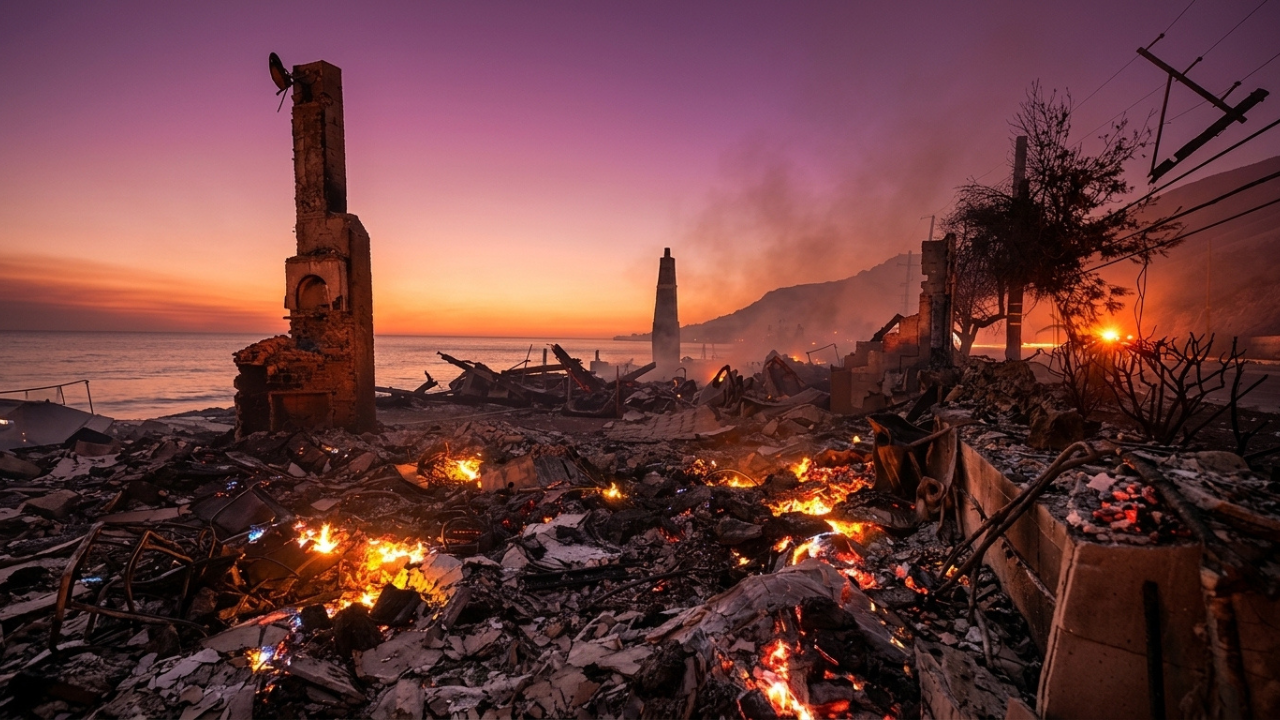
The Eaton Fire remains one of the most closely watched wildfire incidents in Southern California, drawing intense public interest due to its devastating impact on communities, infrastructure, and the regional landscape. As investigations continue into the cause of the fire and the response efforts that followed, media organizations have produced extensive coverage examining what happened, who may be responsible, and how residents were affected. However, recent commentary from utility officials and industry representatives argues that some reports may have omitted important details about the investigation and the evidence available so far.
The debate highlights a broader issue often seen during major disasters: the challenge of balancing timely reporting with the complexities of ongoing investigations. While media outlets have focused heavily on potential causes and accountability questions, utility representatives contend that certain technical findings, investigative procedures, and uncertainties have received less attention. The discussion has fueled renewed interest in understanding exactly what investigators know, what remains uncertain, and how public perception is shaped during major wildfire events.
Ongoing Investigation and Questions Surrounding the Eaton Fire
The Eaton Fire caused significant destruction across affected areas, leading to property losses, evacuations, and widespread disruption for residents. As with many major California wildfires, determining the exact cause became a priority for investigators, insurance companies, public officials, and impacted communities seeking answers. Multiple agencies began reviewing evidence, examining infrastructure, and analyzing environmental conditions that existed at the time the fire started.
Media reports frequently focused on allegations and theories regarding potential ignition sources, including utility equipment and electrical infrastructure. These reports attracted considerable public attention because utility-related fires have been linked to several devastating California wildfires in recent years. However, utility officials have argued that some coverage gave greater emphasis to preliminary claims than to the ongoing scientific and forensic investigation designed to establish the actual sequence of events.
Investigators continue to review physical evidence, witness statements, weather data, electrical system information, and fire behavior analyses. Officials involved in the inquiry have emphasized that wildfire investigations are highly technical and often require months or even years before definitive conclusions can be reached. The complexity of the Eaton Fire investigation illustrates the challenges associated with determining responsibility in large-scale wildfire incidents.
Debate Over Media Coverage and Public Perception
Recent discussions regarding Eaton Fire reporting center on whether some media accounts provided a complete picture of the evidence available at the time of publication. Critics argue that certain reports focused heavily on accusations and legal claims while devoting less attention to information that could complicate or challenge those narratives. Utility representatives have maintained that the public deserves a full understanding of both confirmed facts and unresolved questions.
Supporters of media coverage contend that journalists have an obligation to report developments as they occur, particularly when public safety and potential accountability issues are involved. News organizations often rely on court filings, public records, expert opinions, and statements from affected residents when covering ongoing investigations. However, because investigations evolve over time, early reporting may not always capture every technical detail that later becomes relevant.
The debate has underscored the important role media organizations play in informing the public during disasters. At the same time, it has highlighted the need for readers to recognize the distinction between allegations, preliminary findings, and conclusions supported by completed investigations. Understanding those differences is particularly important in cases involving complex engineering, environmental, and legal questions.
Challenges of Investigating Major Wildfires
Wildfire investigations are among the most technically demanding inquiries conducted by public agencies. Investigators must analyze burn patterns, weather conditions, terrain characteristics, electrical system performance, vegetation conditions, and numerous other factors. The process often involves collaboration among fire agencies, engineers, forensic specialists, and scientific experts.
In the case of the Eaton Fire, investigators have worked to reconstruct events leading up to ignition while evaluating competing theories regarding how the fire started. Such investigations frequently involve large volumes of evidence and extensive field examinations. Determining the precise ignition source can be especially difficult when significant fire damage has altered or destroyed key evidence.
The public often seeks immediate answers following a disaster, but experts note that thorough investigations require patience. Premature conclusions can create confusion and complicate efforts to identify the true cause of an incident. As a result, officials continue to emphasize the importance of allowing investigators to complete their work before definitive judgments are made regarding responsibility.
Eaton Fire Investigation Overview
| Category | Details |
|---|---|
| Incident | Eaton Fire |
| Location | Southern California |
| Investigation Focus | Cause and origin of the wildfire |
| Agencies Involved | Fire investigators, public agencies, technical experts |
| Key Questions | Ignition source and contributing factors |
| Evidence Reviewed | Physical evidence, weather data, infrastructure records |
| Public Interest | High due to damage and potential liability issues |
| Media Coverage | Extensive regional and national reporting |
| Ongoing Debate | Completeness and accuracy of public reporting |
| Current Status | Investigation and reviews continue |
Why Accurate Reporting Matters During Disasters
The Eaton Fire discussion illustrates why accuracy and context are essential when reporting on major disasters. News coverage plays a critical role in informing communities, shaping public understanding, and influencing policy discussions. At the same time, incomplete information can sometimes contribute to misunderstandings regarding responsibility, risk factors, or the status of an investigation.
For residents affected by the fire, obtaining reliable information is especially important. Families, property owners, businesses, and local governments often rely on news reports to understand developments that may affect recovery efforts, insurance claims, and future planning decisions. Accurate reporting helps ensure that stakeholders can make informed decisions based on verified information rather than speculation.
The situation also demonstrates the value of transparency from all parties involved. Investigators, government agencies, utilities, and journalists each play a role in communicating information to the public. Maintaining trust requires careful attention to evidence, factual accuracy, and clear explanations of what is known and what remains uncertain.
Broader Implications for California Wildfire Coverage
The debate surrounding Eaton Fire reporting reflects broader challenges in how major wildfires are covered throughout California. As climate conditions, drought concerns, and population growth continue to increase wildfire risks, public demand for information has grown significantly. News organizations face pressure to provide immediate updates while also navigating complex scientific and legal issues.
Future wildfire coverage may increasingly emphasize transparency regarding investigative processes, evidence standards, and the distinction between allegations and confirmed findings. Experts suggest that providing greater context can help readers better understand the evolving nature of wildfire investigations and avoid drawing conclusions before investigations are complete.
As California continues to confront wildfire threats, the lessons learned from the Eaton Fire discussion may influence how future incidents are reported, investigated, and understood by the public.
The ongoing discussion surrounding Eaton Fire coverage highlights the complexities involved in reporting on major disasters while investigations are still underway. Questions raised about media narratives, investigative findings, and public understanding underscore the importance of context, accuracy, and transparency throughout the reporting process.
While investigators continue working to determine the cause of the Eaton Fire, the broader conversation serves as a reminder that disaster reporting often evolves as new evidence emerges. For communities seeking answers, a balanced understanding of both established facts and remaining uncertainties remains essential. As the investigation progresses, continued scrutiny from journalists, experts, and the public will play an important role in ensuring that the full story ultimately comes to light.
FAQ’s:
What is the Eaton Fire?
The Eaton Fire is a major Southern California wildfire that caused significant damage and remains the subject of ongoing investigation.
Why has media coverage of the fire been debated?
Some utility representatives and observers argue that certain reports did not fully address all available evidence or investigative complexities.
Has the cause of the Eaton Fire been officially determined?

Investigations and reviews continue, and officials have emphasized the importance of examining all evidence before reaching final conclusions.
Why are wildfire investigations so complex?
They require analysis of physical evidence, weather conditions, terrain, infrastructure, and numerous technical factors.
What lessons can be learned from this debate?
The discussion highlights the importance of accurate reporting, transparency, and distinguishing between allegations, preliminary findings, and confirmed conclusions.












Ariana Grande Plans Break From Public Spotlight After Tour Amid Ongoing Scrutiny