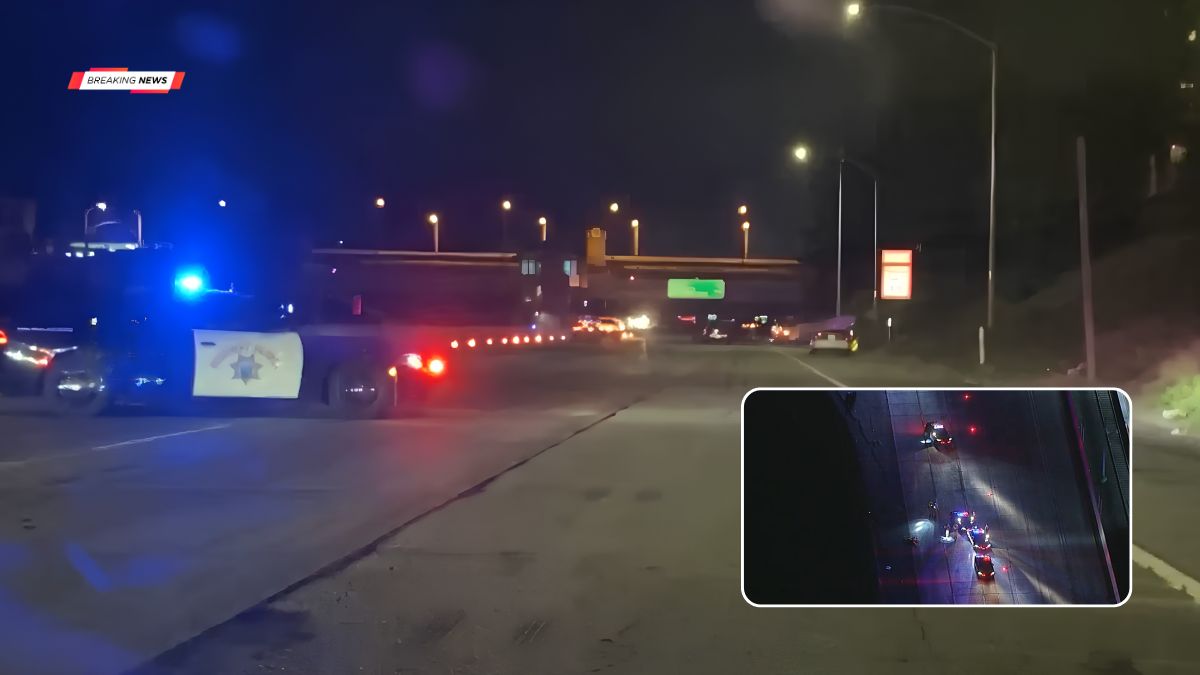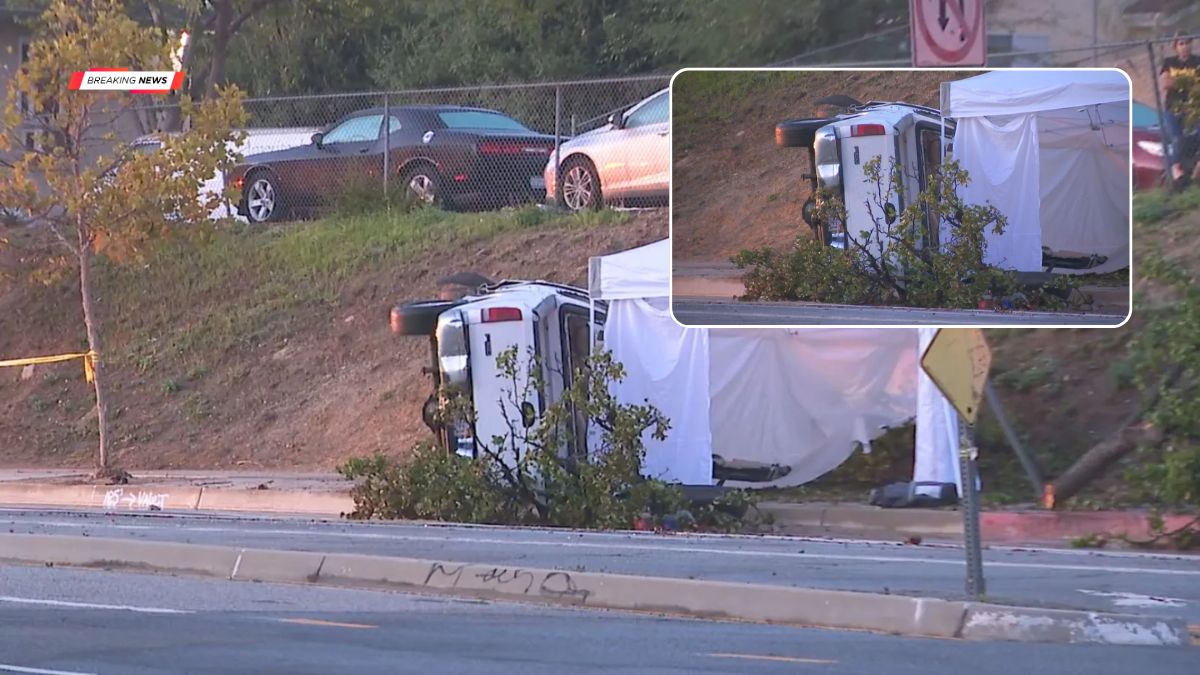
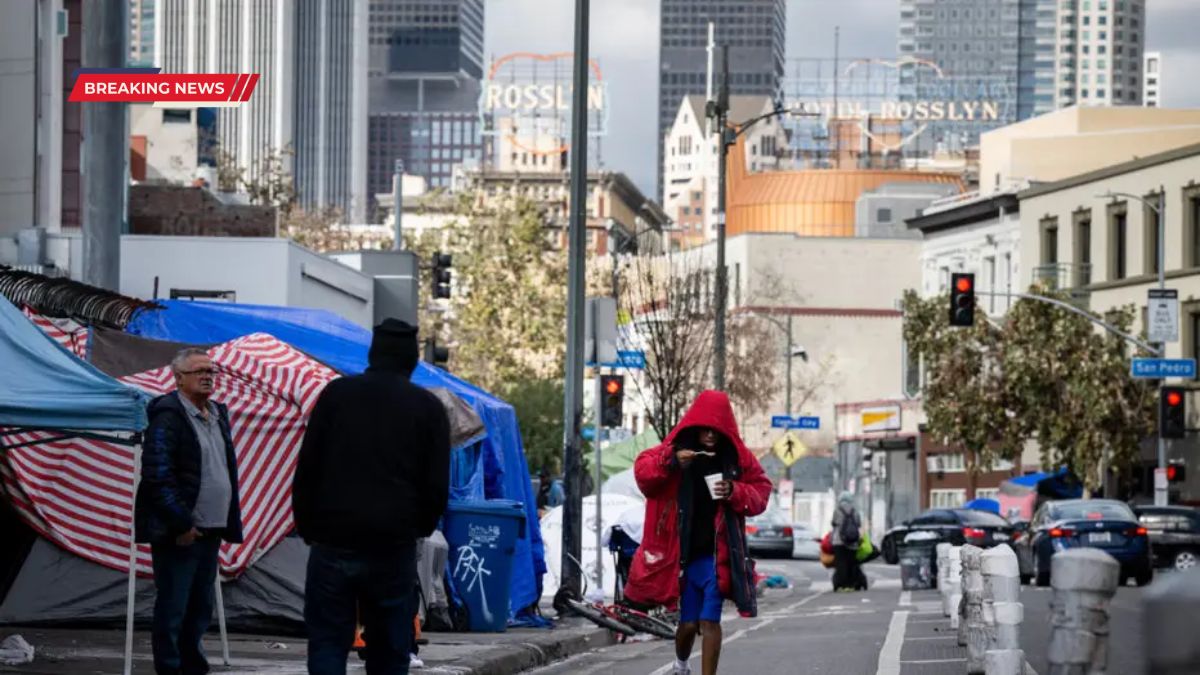
Los Angeles remains one of America’s most visited and recognizable cities, attracting millions of tourists, students, and new residents every year. Known for Hollywood, entertainment, beaches, and cultural diversity, the city offers opportunities across nearly every industry. However, like many large metropolitan areas, some neighborhoods continue to face ongoing crime and public safety challenges.
According to recent crime statistics and LAPD reports, several parts of Los Angeles continue to record crime rates significantly above state and national averages. Violent crimes including robbery, assault, gang-related activity, and vehicle theft remain concerns in specific districts, particularly during nighttime hours.
Knowing which neighborhoods report higher crime levels can help residents, travelers, and students make more informed decisions about where to stay, visit, or avoid after dark.
| Category | Details |
|---|---|
| City | Los Angeles, California |
| Known For | Tourism, entertainment, education |
| Main Concerns | Theft, assault, robbery, gang activity |
| Highest Risk Hours | 9 PM to 3 AM |
| Safer Alternatives | Glendale, Brentwood, Culver City |
| Safety Tip | Stay in populated, well-lit areas |
Below are 11 neighborhoods in Los Angeles that continue to report elevated crime levels entering 2026.
Leimert
Leimert Park has a population of roughly 12,000 residents and continues to experience crime levels above the Los Angeles average. Violent incidents including assaults, armed robberies, and occasional shootings remain concerns for residents.
Property crimes are also frequently reported, including vehicle theft and residential burglary. LAPD data suggests many incidents occur late at night, particularly between 9 PM and 3 AM.
Residents are generally advised to remain aware of surroundings and avoid isolated streets after dark.
Watts
Watts has long faced public safety challenges linked to gang activity and violent crime. Crime data shows the neighborhood records more than 3,500 crimes per 100,000 residents annually, exceeding citywide averages.
Assaults, robberies, and firearm-related incidents are among the most reported crimes. Many incidents occur during evening hours between 7 PM and midnight.
Despite community improvement efforts, some sections of Watts continue to experience higher levels of criminal activity than surrounding neighborhoods.
Hollywood
Hollywood remains one of the busiest tourist districts in Los Angeles, but it also reports elevated crime rates due to heavy foot traffic and nightlife activity.
The area records nearly 5,000 crimes per 100,000 residents each year. Theft, pickpocketing, assault, and vehicle break-ins are among the most common complaints.
Tourists unfamiliar with the area are often targeted near crowded attractions, nightlife venues, and transit stops.
South
South Los Angeles consistently reports some of the city’s highest violent crime statistics. Certain sections experience crime levels nearly 397% above the national average.
Gang-related violence, armed robbery, and aggravated assault remain major concerns in parts of the district. Residents often report feeling less safe during overnight hours.
City officials continue investing in policing and community programs, though safety concerns remain significant in several neighborhoods.
Skid
Skid Row is widely recognized for its homelessness crisis and elevated crime levels. The neighborhood experiences frequent incidents involving theft, assault, drug-related activity, and public disturbances.
Emergency services and outreach programs remain active in the area, but visitors are generally advised to avoid walking alone there, particularly late at night.
The district continues to face major social and public safety challenges entering 2026.
Compton
Although technically an independent city within Los Angeles County, Compton is frequently associated with broader LA crime discussions.
The area continues to struggle with violent crime, gang activity, and firearm incidents despite some improvement in recent years. Property crime and car theft also remain concerns.
Certain neighborhoods experience significantly higher crime rates than the California average.
Westlake
Westlake is one of the densest neighborhoods in Los Angeles and continues to experience elevated levels of theft, assault, and gang-related crime.
Busy streets, overcrowding, and nightlife activity contribute to frequent police reports in the area. Vehicle theft and burglary remain common concerns for residents.
Safety conditions can vary block by block depending on location and time of day.
Florence
Florence-Graham reports crime rates above both state and national averages. Violent offenses including robbery and aggravated assault continue to affect parts of the neighborhood.
Gang activity remains a contributing factor in several incidents reported by local authorities.
Residents are generally encouraged to remain cautious during late evening hours.
Central
Downtown Los Angeles, particularly parts of Central LA, reports elevated property crime due to high population density and tourism.
Common issues include car break-ins, theft, vandalism, and occasional violent incidents near nightlife districts and transit centers.
Police visibility has increased in some sections, though crime rates remain above average in multiple downtown areas.
Vermont
Vermont Vista continues to report higher-than-average violent and property crime levels compared to other parts of Los Angeles.
Residents frequently report robberies, burglaries, and gang-related incidents. Some sections become noticeably quieter late at night, which can increase safety concerns for pedestrians.
Community programs and local policing efforts remain ongoing.
Boyle
Boyle Heights has experienced redevelopment in recent years, but some sections still report elevated crime levels.
Assault, theft, vandalism, and gang-related activity remain concerns in portions of the neighborhood. Public transit stations and parking areas are common locations for theft-related incidents.
Crime levels vary depending on the specific block and time of day.
Safety
While Los Angeles remains a major global destination, safety conditions can differ significantly between neighborhoods. Visitors and new residents are generally advised to research areas carefully before choosing accommodations or traveling late at night.
Basic precautions can reduce risks substantially:
- Avoid isolated streets after dark
- Stay aware in crowded tourist areas
- Use secure parking locations
- Avoid displaying valuables publicly
- Travel in groups during late-night hours when possible
Many neighborhoods in Los Angeles remain safe and highly popular for residents and visitors alike, including Glendale, Sherman Oaks, Brentwood, Pasadena, and Culver City.
Knowing local crime patterns helps people make informed decisions while navigating one of America’s largest cities.
FAQs
Is Los Angeles safe for tourists?
Most tourist areas are safe with precautions.
What is the safest LA neighborhood?
Glendale and Brentwood are considered safer.
What crimes are most common in LA?

Theft, robbery, and vehicle break-ins.
What time is crime highest in LA?
Most incidents occur between 9 PM and 3 AM.
Is Hollywood dangerous at night?
Some parts report higher nighttime crime.