
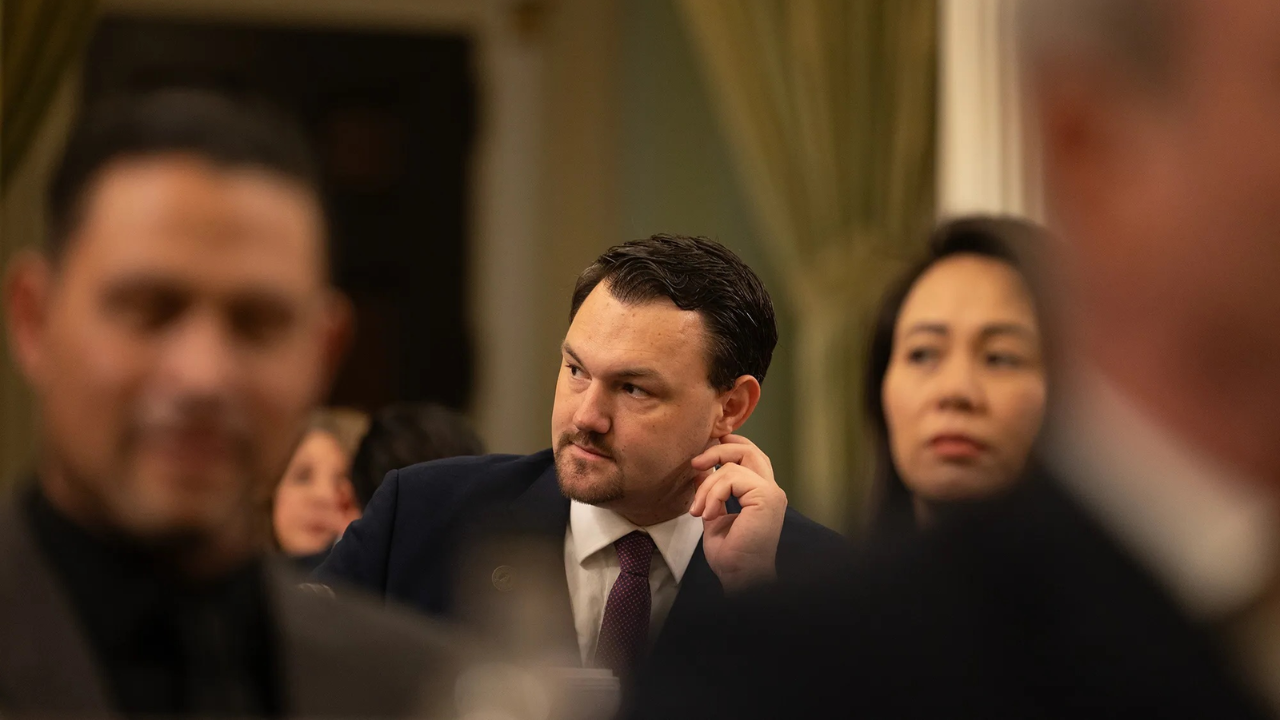
CALIFORNIA, United States — A newly formed commission has begun work aimed at addressing long-standing structural problems in California’s public defense system, which critics say is underfunded, overburdened, and inconsistent across counties. The initiative marks one of the most significant statewide efforts in years to examine how legal representation is provided to people who cannot afford private attorneys.
The commission’s formation comes amid growing concern from legal experts, public defenders, and advocacy groups who argue that California’s system is struggling to meet constitutional standards for adequate legal defense. With heavy caseloads, staffing shortages, and uneven resources across jurisdictions, many defendants are believed to be receiving limited access to meaningful representation.
Background of California’s Public Defense Crisis
California’s public defense system is primarily county-based, meaning each county is responsible for providing legal representation to indigent defendants. This decentralized structure has resulted in significant disparities in funding, staffing, and quality of defense depending on location.
In heavily populated counties, public defenders often manage extremely high caseloads that exceed national guidelines, limiting the time they can dedicate to each case. Smaller counties, meanwhile, frequently rely on contracted attorneys who may not have the same level of institutional support or training resources.
Legal advocates have long warned that these disparities create a “two-tiered justice system,” where the quality of defense depends heavily on geography and local funding decisions. Over time, this has led to growing calls for statewide reform and increased oversight.
Formation and Mission of the New Commission
The newly established commission has been tasked with evaluating the current structure of California’s public defense system and recommending reforms that could improve fairness, efficiency, and accountability. Its creation reflects increasing recognition among state leaders that systemic change may be necessary.
The commission includes legal experts, policy advisors, and representatives familiar with public defense operations. Its mission is to assess key challenges such as excessive caseloads, staffing shortages, recruitment and retention issues, and disparities between counties.
One of its central goals is to determine whether California should move toward a more centralized or state-supported public defense model. Supporters of reform argue that a unified system could help standardize services and reduce inequalities between counties.
The commission is also expected to gather testimony from public defenders, judges, criminal justice researchers, and individuals who have experienced the system firsthand.
Key Problems Identified in the System
Public defense attorneys across California have consistently reported overwhelming workloads that make it difficult to provide effective representation. In some counties, attorneys handle hundreds of cases annually, far above recommended standards set by legal organizations.
This high volume of cases can lead to limited client communication, reduced investigative work, and pressure to resolve cases quickly through plea agreements. Critics argue that these conditions undermine the constitutional right to effective counsel.
Another major issue is funding inequality. Wealthier counties are able to allocate more resources to public defense offices, while poorer or rural counties often struggle to maintain adequate staffing levels. This creates significant differences in legal outcomes depending on location.
In addition, recruitment and retention of qualified public defenders remain ongoing challenges. Many attorneys leave the system due to burnout, low pay compared to private practice, and emotional strain associated with heavy caseloads.
These issues collectively contribute to what many describe as a strained and unsustainable system.
Stakeholder Perspectives and Concerns
Public defenders and legal advocacy groups have largely welcomed the formation of the commission, viewing it as a necessary step toward reform. Many argue that without systemic change, California risks continuing cycles of inequality within its criminal justice system.
Some officials, however, caution that restructuring the system could face political and financial challenges. Shifting toward a more centralized model may require significant state investment and coordination across multiple jurisdictions.
Judges and court administrators have also expressed concern about delays and inefficiencies that stem from overloaded defense attorneys. They argue that improving public defense capacity could help speed up court proceedings and reduce case backlogs.
Meanwhile, civil rights organizations emphasize the broader implications of inadequate defense representation, noting that it can contribute to wrongful convictions, excessive plea bargaining, and long-term social consequences for defendants and communities.
Potential Reform Directions
The commission is expected to consider several reform options, including increased state funding for county public defender offices, stricter caseload limits, and standardized training requirements. Another possibility is the creation of a statewide oversight body to ensure consistent quality of defense services.
Some experts have also proposed hybrid models that maintain county-level administration but incorporate stronger state support and coordination. This approach could balance local control with uniform standards.
Technology upgrades, improved data tracking, and expanded recruitment programs are also likely to be part of the reform discussion. These measures aim to improve efficiency and reduce administrative burdens on attorneys.
Any final recommendations will likely require legislative action and could take years to fully implement.
Broader Implications for California’s Justice System
The commission’s work could have far-reaching implications for California’s criminal justice system. Public defense is a critical component of due process, ensuring that individuals facing criminal charges receive fair representation regardless of income.
If reforms are implemented, they could reshape how legal services are delivered across the state and potentially serve as a model for other jurisdictions facing similar challenges.
However, failure to address systemic issues could deepen existing inequalities and place further strain on courts and defense attorneys.
The commission’s findings are expected to play a key role in shaping future policy discussions around justice reform in California.
Key Facts About the Initiative
| Category | Details |
|---|---|
| Location | California, United States |
| Focus | Public defense system reform |
| Issue | Overburdened and uneven county-based defense system |
| Initiative | Newly formed statewide commission |
| Stakeholders | Public defenders, legal experts, policymakers |
| Key Problems | High caseloads, funding disparities, staffing shortages |
| Goal | Evaluate and recommend systemic reforms |
| Potential Outcome | Structural changes to public defense delivery |
| Status | Commission work underway |
The formation of a new commission to examine California’s public defense system reflects growing concern over longstanding structural challenges that have affected access to justice across the state. With overwhelming caseloads, uneven funding, and staffing shortages, the current system has drawn criticism from legal experts and advocates for years.
As the commission begins its work, its findings could play a crucial role in shaping the future of public defense in California. While the path to reform may be complex and politically challenging, the effort signals a renewed focus on ensuring that constitutional rights are upheld for all defendants, regardless of income or location.
FAQ’s:
What is the purpose of the new commission?
The commission is tasked with evaluating California’s public defense system and recommending reforms to improve fairness and efficiency.
Why is California’s public defense system considered broken?
It suffers from high caseloads, funding disparities between counties, and staffing shortages that limit effective legal representation.
Who is involved in the commission?

It includes legal experts, policymakers, and professionals familiar with public defense operations.
What reforms are being considered?
Options include increased funding, statewide oversight, caseload limits, and improved training standards.
Why does this issue matter?
Public defense ensures constitutional rights to legal representation, and weaknesses in the system can lead to unfair outcomes in criminal cases.

















Ariana Grande Plans Break From Public Spotlight After Tour Amid Ongoing Scrutiny