
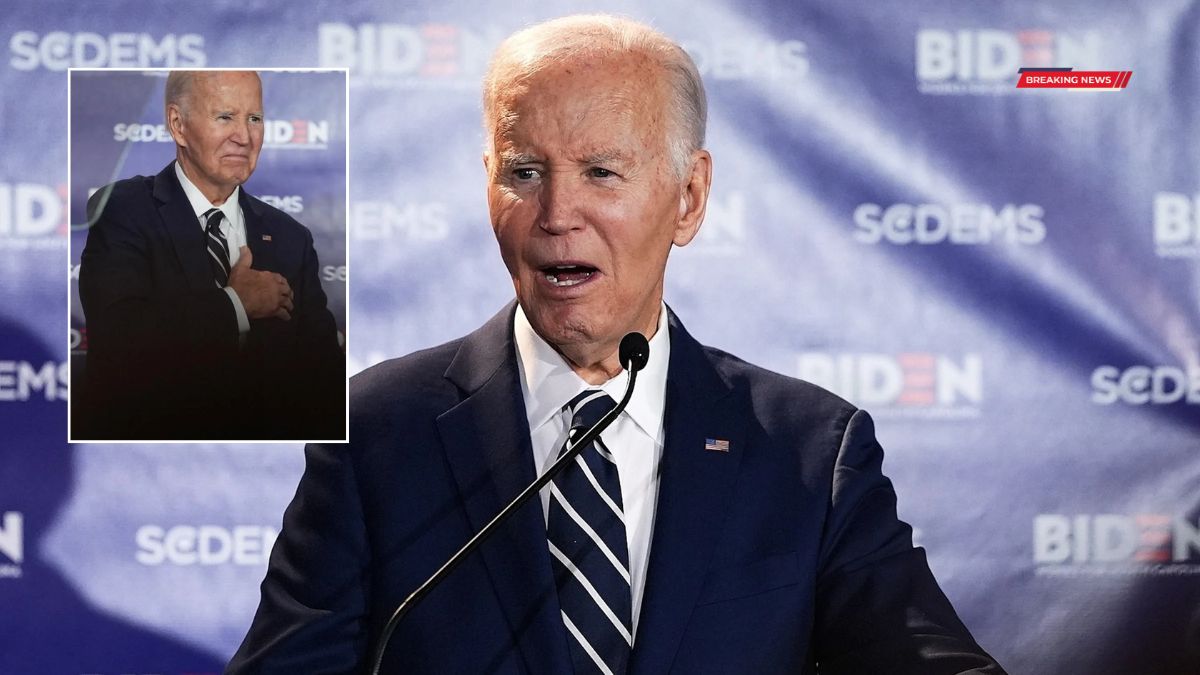
A federal judge on Friday denied an effort to block the release of audio recordings made by former President Joe Biden during interviews with a ghostwriter, clearing the way for their disclosure to a conservative organization. The ruling stems from a legal dispute over materials obtained during a special counsel investigation into Biden’s handling of classified documents.
Ruling
U.S. District Judge Dabney Friedrich ruled that the public interest in releasing the recordings outweighed any privacy concerns raised by Biden’s legal team. The decision allows the Trump administration to proceed with releasing the materials, which had been requested through a public records process.
The judge also declined to impose a temporary block while an appeal is considered.
Background
The recordings were obtained by special counsel Robert Hur during an investigation into whether Biden improperly retained classified documents while serving as a senator and vice president. Hur ultimately declined to bring charges in the case.
Following that decision, congressional Republicans sought access to the recordings and transcripts as part of broader oversight efforts. The materials became the subject of extended legal and political disputes between the executive branch and Congress.
Legal Dispute
Biden’s legal team filed suit after the Department of Justice under President Donald Trump authorized the release of the recordings to a staff member affiliated with the Heritage Foundation, a conservative organization that had requested the records.
The lawsuit argued that releasing the audio would violate privacy interests, including references to sensitive personal topics. However, the court found that such material had been redacted from the version slated for release.
Court Findings
In her ruling, Judge Friedrich stated that the materials do not contain references to highly sensitive subjects such as illness or death, nor do they include non-public information about Biden’s family.
The court concluded that the remaining content did not meet the threshold for withholding under privacy protections once redactions were applied.
Privacy Arguments
Biden’s attorneys argued that the recordings included personal reflections made during interviews with his ghostwriter and should not be publicly released. They raised concerns about the potential exposure of private conversations.
The court rejected those arguments, emphasizing that the redacted version addressed the most sensitive material cited by the plaintiff.
Political Context
The case sits at the intersection of ongoing political disputes over classified documents, executive authority, and congressional oversight. Republicans have pushed for greater transparency regarding the special counsel investigation, while Biden’s allies have criticized efforts to release the materials as politically motivated.
The Justice Department, now under the Trump administration, supported the release of the records, marking a shift in policy from the prior administration’s position.
Next Steps
Biden’s legal team has requested a temporary pause on the ruling while they pursue an appeal. It remains unclear whether a higher court will intervene before the materials are released.
The Department of Justice has not publicly commented on the ruling.
The case is expected to continue as appellate courts review the privacy and disclosure issues raised in the dispute.
FAQs
What did the judge rule?
The judge allowed release of Biden ghostwriter audio recordings.
Who requested the recordings?
A conservative group linked to the Heritage Foundation.
Why were the recordings made?

They were obtained during a special counsel investigation.
What was Biden’s argument?
He cited privacy concerns about personal discussions.
Can the decision be appealed?
Yes, Biden’s team is seeking to appeal the ruling.













Ariana Grande Plans Break From Public Spotlight After Tour Amid Ongoing Scrutiny