
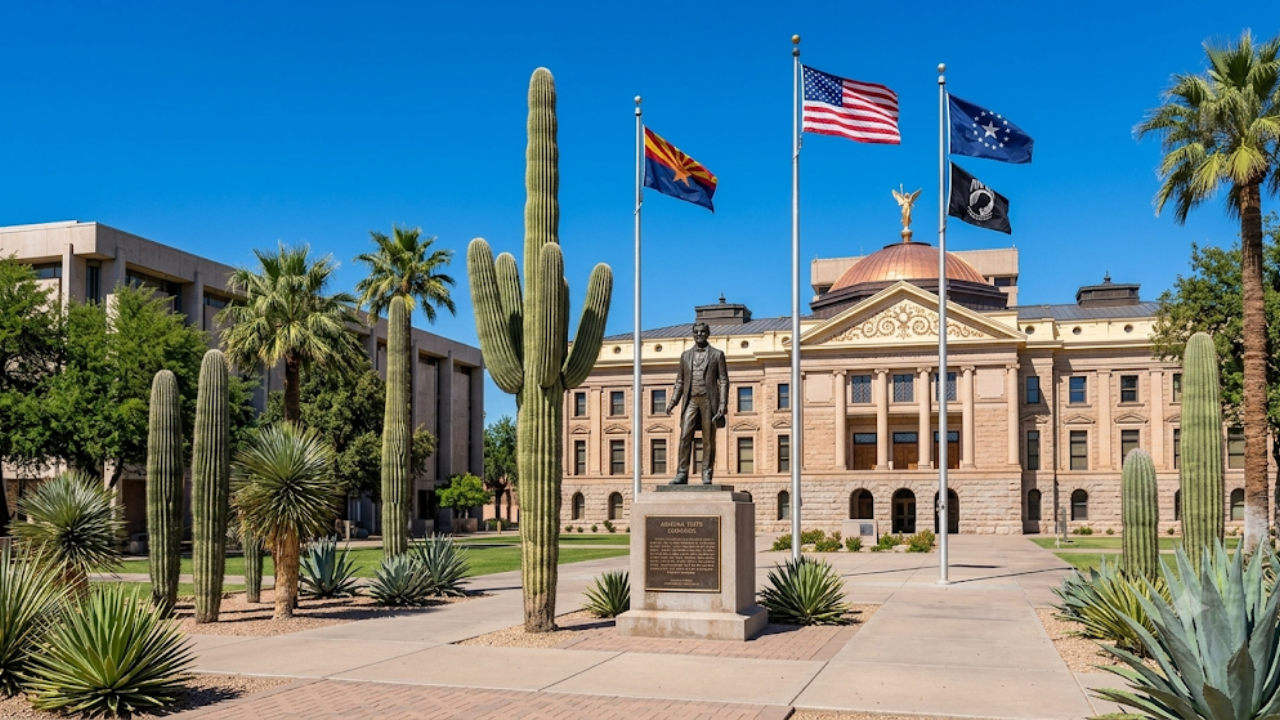
PHOENIX, Arizona — Arizona’s fiscal year 2027 budget includes significant reductions to higher education funding, eliminating millions of dollars previously allocated to colleges, universities, and student scholarship programs. The budget, approved after negotiations between state lawmakers and government officials, reflects efforts to address fiscal priorities while reducing state spending in several areas, including higher education.
The cuts have sparked concern among university leaders, educators, students, and advocacy groups who warn that reduced funding could affect affordability, student access, academic programs, and long-term workforce development. Supporters of the budget argue that the state must maintain fiscal discipline amid economic uncertainties and competing budget demands.
Among the most closely watched provisions are reductions affecting scholarship initiatives designed to help students attend public colleges and universities. Critics say these changes could place additional financial burdens on students and families already struggling with rising education costs.
The budget has intensified debate about the state’s commitment to higher education and the role public investment plays in supporting economic growth and educational opportunity.
Funding Reductions Affect Universities and Colleges
Arizona’s public higher education system is expected to absorb millions of dollars in funding reductions under the 2027 budget. State universities and community colleges rely on a combination of tuition revenue, state appropriations, grants, and private funding to support academic programs and campus operations.
University officials have expressed concern that reduced state support may force institutions to reevaluate spending priorities. Potential impacts could include delayed infrastructure projects, reduced program expansion efforts, hiring limitations, and constraints on student services.
Higher education leaders argue that state funding plays a critical role in maintaining affordable tuition and ensuring access to quality education. When state appropriations decline, institutions may face pressure to identify alternative revenue sources or implement cost-saving measures.
Supporters of increased education funding warn that sustained reductions could affect Arizona’s ability to compete with other states for students, faculty, and research opportunities. They also note that higher education institutions contribute significantly to economic development and workforce preparation.
The full financial impact of the cuts will likely become clearer as colleges and universities finalize their budgets and determine how to allocate available resources.
Scholarship Programs Face Significant Reductions
One of the most controversial aspects of the 2027 budget involves cuts to scholarship funding that helps students afford higher education. Scholarship programs often serve students from low-income families, first-generation college students, and individuals facing financial barriers to enrollment.
Education advocates argue that scholarship assistance can be the deciding factor in whether many students are able to attend college. Reductions in financial aid resources may force some students to take on additional debt, work longer hours while enrolled, or delay pursuing higher education altogether.
Supporters of scholarship programs emphasize that investments in student aid frequently generate long-term economic benefits by increasing graduation rates and strengthening the workforce. They contend that reducing scholarship funding may ultimately create greater challenges for students seeking educational advancement.
Budget supporters, however, argue that difficult fiscal decisions were necessary and that lawmakers faced competing priorities across multiple areas of government spending. They maintain that the budget reflects efforts to balance available resources while addressing broader state needs.
The debate surrounding scholarship reductions is expected to continue as students, institutions, and policymakers assess the practical effects of the changes.
Broader Debate Over Higher Education Investment
The budget cuts have renewed broader discussions about the value of public investment in higher education. Advocates argue that colleges and universities serve as engines of economic growth by producing skilled workers, conducting research, and supporting innovation.
Critics of the reductions contend that decreased funding could limit educational opportunities and undermine efforts to meet future workforce demands in industries such as healthcare, technology, engineering, and education. They warn that less financial support may disproportionately affect students from disadvantaged backgrounds.
Supporters of the budget counter that state governments must carefully manage taxpayer resources and prioritize spending based on available revenues. They argue that fiscal responsibility remains essential, particularly during periods of economic uncertainty and rising government expenditures.
The conversation reflects a longstanding policy debate over how states should balance educational investment with other public responsibilities. Arizona’s 2027 budget has become a prominent example of those competing priorities.
As implementation begins, educators and policymakers will closely monitor how the funding changes affect enrollment, student success, institutional operations, and workforce development outcomes.
Budget Impact Overview
| Category | Impact |
|---|---|
| State | Arizona |
| Budget Year | Fiscal Year 2027 |
| Sector Affected | Higher Education |
| Funding Change | Millions of Dollars Reduced |
| Institutions Impacted | Public Colleges and Universities |
| Scholarship Programs | Funding Reduced |
| Primary Concern | College Affordability |
| Potential Effect | Increased Financial Burden on Students |
| Debate Focus | Education Investment vs. Fiscal Restraint |
| Status | Budget Approved |
Arizona’s 2027 budget introduces substantial cuts to higher education funding and scholarship programs, creating uncertainty for colleges, universities, and students across the state. While supporters view the reductions as necessary fiscal measures, critics argue that they may weaken educational access and place additional financial pressure on students.
The impact of the budget will likely extend beyond institutional finances, influencing enrollment decisions, student affordability, and workforce development efforts. University leaders and education advocates are expected to continue evaluating how best to manage the challenges created by reduced funding.
As Arizona moves forward with implementation of the new budget, policymakers, educators, and students will closely watch the consequences of the cuts and their long-term effects on the state’s higher education system.
FAQ’s:
What does Arizona’s 2027 budget change?
The budget reduces funding for higher education institutions and scholarship programs.
Which institutions are affected?
Public colleges, universities, and certain student aid programs across Arizona are affected.
Why are the cuts controversial?

Critics argue the reductions may make college less affordable and limit educational opportunities.
How could students be impacted?
Students may face reduced scholarship availability, increased financial challenges, or higher educational costs.
Why did lawmakers approve the cuts?
Supporters say the reductions were part of broader efforts to manage state spending and address fiscal priorities.

















Ariana Grande Plans Break From Public Spotlight After Tour Amid Ongoing Scrutiny