For many retirees considering a move within Arizona, the decision often comes down to balancing lifestyle with long-term affordability. While Scottsdale has long been known for its luxury communities, golf courses, and upscale amenities, Tucson is increasingly attracting retirees looking to stretch their retirement income without giving up access to healthcare, outdoor recreation, or sunny weather.
Although both cities offer a desert lifestyle and warm climate, the cost difference can have a significant impact over a retirement that may last 20 to 30 years.
Costs
One of the biggest differences between Tucson and Scottsdale is the overall cost of living.
According to cost-of-living data cited in relocation guides, Tucson has an overall cost of living index of about 93, making it roughly 7% less expensive than the national average.
Scottsdale, meanwhile, is considerably more expensive. Its cost of living is estimated to be about 31% higher than nearby Phoenix, which already exceeds the national average.
Those higher costs affect nearly every monthly expense, from housing and insurance to dining and everyday purchases.
| Expense | Tucson | Scottsdale |
|---|---|---|
| Cost of Living Index | About 93 | Well above the national average |
| Median Home Price | Around $330,000 | Commonly $600,000-$700,000+ |
| One-Bedroom Rent | About $850-$1,050/month | Significantly higher |
| Monthly Living Costs | Below Arizona average | Above Arizona average |
Housing
Housing remains one of the largest expenses during retirement.
Median home prices in Tucson are around $330,000, making homeownership more accessible for retirees on fixed incomes.
Comparable homes in Scottsdale frequently sell for more than $600,000 to $700,000, depending on the neighborhood.
The difference in purchase price also affects property taxes, homeowners insurance, and long-term maintenance costs.
Lifestyle
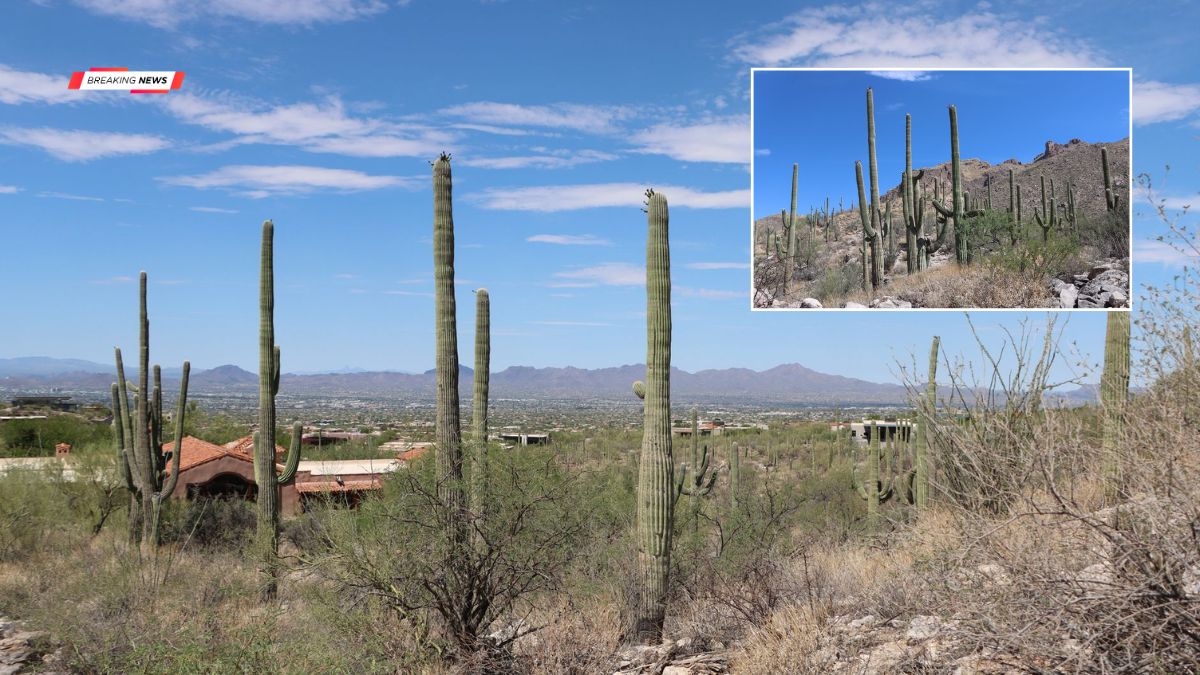
Despite the lower costs, Tucson offers many of the same outdoor attractions that draw retirees to Arizona.
Saguaro National Park surrounds parts of the city, providing hiking, wildlife viewing, and scenic desert landscapes without requiring membership in private clubs or resort communities.
The presence of the University of Arizona also contributes to a diverse community with cultural events, educational opportunities, museums, and sporting events.
Scottsdale, by comparison, is known for luxury resorts, golf courses, upscale shopping, spas, and fine dining, making it attractive to retirees seeking a resort-style lifestyle.
Healthcare
Healthcare access is another important factor for retirees.
Tucson is home to Banner University Medical Center Tucson and the University of Arizona’s medical programs, providing access to specialists, research-based care, and teaching hospital resources.
Scottsdale also offers highly regarded healthcare through the Mayo Clinic’s Arizona campus and the HonorHealth system.
Both cities provide quality medical care, although Tucson’s lower overall cost of living may reduce many of the indirect expenses associated with retirement.
Climate
Weather is not a major deciding factor between the two cities.
Both Tucson and Scottsdale experience extremely hot summers, with temperatures regularly reaching 100 degrees or higher during June and July.
Because both locations require significant air conditioning during the summer months, utility costs remain an important consideration regardless of where retirees choose to live.
Tradeoffs
Scottsdale continues to appeal to retirees seeking luxury amenities, high-end restaurants, golf communities, and convenient access to Phoenix Sky Harbor International Airport.
Tucson offers a different value proposition by combining lower housing costs, outdoor recreation, university resources, and healthcare access while maintaining a similar desert climate.
For retirees who prioritize keeping monthly expenses manageable, those savings can add up substantially over decades of retirement.
Choosing between Tucson and Scottsdale ultimately depends on individual priorities and financial circumstances. Scottsdale offers premium amenities and a resort-style atmosphere, while Tucson provides many of the same Arizona advantages at a considerably lower cost. For retirees focused on preserving savings and managing long-term expenses, Tucson has become an increasingly attractive alternative without sacrificing access to healthcare, recreation, or the desert lifestyle.