Federal authorities have seized luxury vehicles, a mansion, and other assets from a Ghanaian national accused of operating an alleged romance-investment fraud scheme that prosecutors say stole more than $8 million from elderly victims across the United States.
The case, filed in the U.S. District Court for the Northern District of Ohio, alleges that the suspect used fake online identities to build trust with victims before persuading them to invest money in fraudulent opportunities.
Charges
Federal prosecutors identified the defendant as Frederick Kumi, a Ghanaian national who allegedly also used the names Emmanuel Kojo Baah Obeng and “Abu Trica.”
According to a recently unsealed indictment, Kumi was extradited to the United States to face multiple federal charges connected to the alleged fraud operation.
Authorities say the scheme dates back to at least 2023.
Scheme
Prosecutors allege that Kumi and others created fictitious online personas to establish romantic relationships with victims.
After gaining their trust, the victims were encouraged to invest money in fake investment opportunities.
Investigators say the funds were transferred through bank accounts in Ohio before being routed to Ghana and other locations as part of an alleged money laundering operation.
Seizures
Federal agents moved to seize assets tied to the investigation before trial.
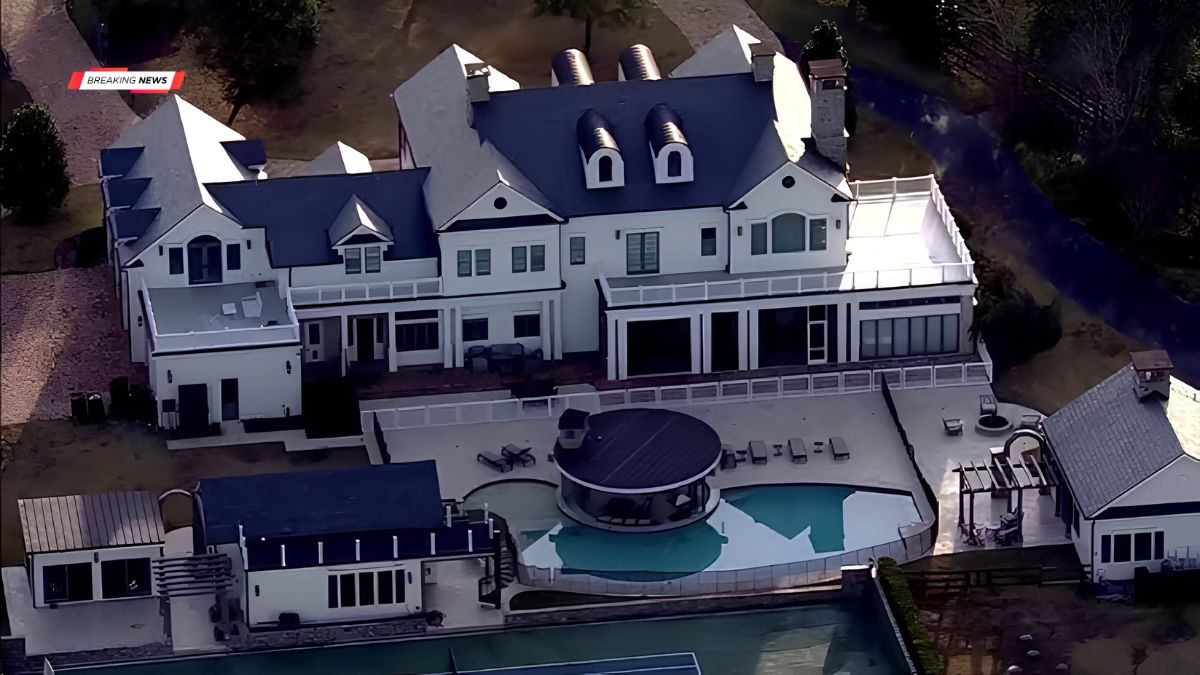
According to prosecutors, the property includes luxury vehicles, a mansion, and financial assets believed to be connected to the alleged fraud.
Early asset seizures can help preserve property that may later be used to compensate victims if forfeiture is approved by the court.
| Seized Assets | Details |
|---|---|
| Luxury vehicles | Seized by federal authorities |
| Mansion | Connected to the investigation |
| Financial assets | Frozen as part of the case |
Investigation
The Justice Department said the prosecution is part of a broader effort to disrupt international romance fraud networks.
Officials also identified Daniel Yussif as a co-defendant accused of helping move victim funds through U.S. financial accounts before they were transferred overseas.
Authorities have not provided an updated public status regarding Yussif’s extradition.
Recovery
According to the Department of Justice, more than 103 victims, many of them elderly, were allegedly affected by the scheme, with reported losses exceeding $8 million.
By securing assets early in the investigation, prosecutors aim to preserve funds that could potentially be available for victims if the court orders forfeiture following the legal process.
Any distribution of recovered assets will depend on future court proceedings.
Fraud
Federal officials continue to warn consumers about romance-investment scams, which often begin through online dating platforms or social media.
In these schemes, scammers typically establish emotional relationships before introducing fake investment opportunities that promise high returns.
Authorities encourage anyone who believes they have been targeted by a similar scam to report the incident to law enforcement and the FBI’s Internet Crime Complaint Center (IC3).
The case against Frederick Kumi remains pending, and the allegations have not been proven in court. As the legal proceedings continue, federal authorities say the asset seizures are intended to preserve potential restitution for victims while investigators pursue one of the largest alleged romance-investment fraud cases filed in the Northern District of Ohio.