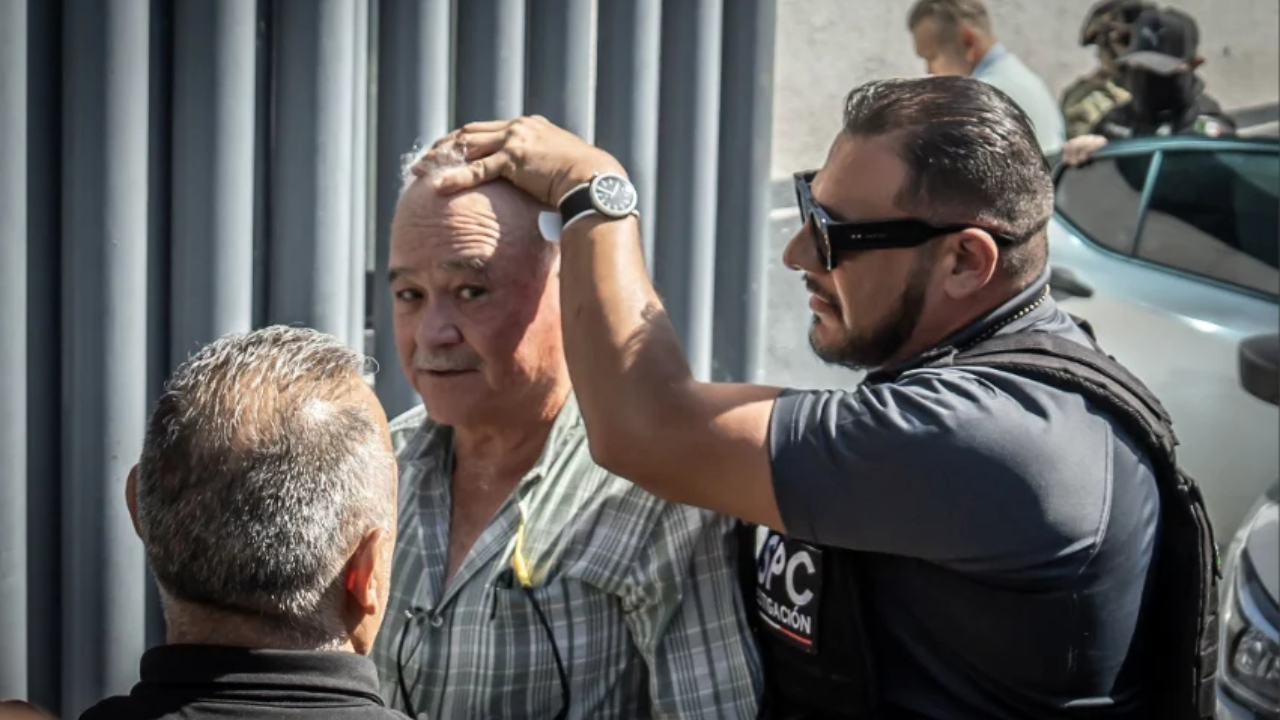
Former Baja California Governor Ernesto Ruffo Appel has been arrested by Mexican federal authorities as part of a major investigation into alleged organized crime, fuel smuggling, and tax evasion. The arrest, carried out in Ensenada, Baja California, Mexico, marks a significant development in an investigation that authorities describe as highly complex and linked to an alleged fuel trafficking network operating across multiple regions of the country.
The case has attracted nationwide attention because Ruffo is a prominent political figure who became the first opposition candidate to win a state governorship in modern Mexican history when he was elected governor of Baja California in 1989. Federal prosecutors allege that his business interests were connected to an organized criminal operation involving the illegal importation and distribution of fuel, while Ruffo has maintained that he is innocent and intends to defend himself through the legal process.
Arrest Follows Extensive Federal Investigation
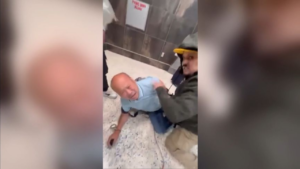
According to Mexico’s Federal Attorney General’s Office (FGR), Ernesto Ruffo was arrested in Ensenada, Baja California following what investigators described as a lengthy and highly complex investigation. Authorities allege that the former governor was involved in organized crime, fuel smuggling—commonly referred to in Mexico as “huachicol fiscal”—and tax evasion. Ruffo’s business associate, Ricardo Thompson Navarro, was also taken into custody as part of the same investigation.
Federal investigators allege that the case centers on Ingemar, a company linked to Ruffo, which prosecutors believe played a role in the illegal importation of hydrocarbons from the United States into Mexico while avoiding customs duties and taxes. Authorities have stated that the investigation is connected to the seizure of more than 15 million liters of fuel and numerous tanker trucks during an earlier enforcement operation, making it one of Mexico’s largest alleged fuel-smuggling cases in recent years.
Prosecutors Outline Allegations While Ruffo Denies Wrongdoing
Following his arrest, Ruffo was placed under federal custody and appeared before judicial authorities as criminal proceedings began. Prosecutors are expected to present evidence supporting allegations of organized crime, hydrocarbon trafficking, and tax-related offenses. Officials have indicated that the investigation involves multiple suspects, with additional arrest warrants reportedly issued as authorities continue examining the alleged criminal network.
Ruffo has denied any criminal involvement, stating that his company’s role was limited to customs-related administrative services and that he did not participate in illegal fuel trafficking. His legal team is expected to challenge the allegations during court proceedings, while Mexican authorities emphasize that the investigation has been underway for more than a year and that the evidence will ultimately be evaluated by the courts. As with all criminal cases, the charges remain allegations until proven in court.
Political Impact and the Road Ahead
The arrest has generated strong political reactions across Mexico. Members of Ruffo’s political party have expressed concern over the case, calling for impartial judicial proceedings and arguing that the legal process should remain free from political influence. Government officials, including President Claudia Sheinbaum, have rejected claims that the investigation is politically motivated, stating that judges will independently evaluate the evidence presented by prosecutors.
Authorities have also indicated that the investigation is continuing and could result in additional arrests as they examine the alleged fuel-smuggling network. Prosecutors are expected to present financial records, customs documentation, corporate evidence, and witness testimony during future hearings. The outcome of the case could have lasting implications for both Mexico’s anti-corruption efforts and its campaign against organized fuel trafficking.
| Case Overview | Details |
|---|---|
| Defendant | Ernesto Ruffo Appel |
| Former Position | Governor of Baja California (1989–1995) |
| Arrest Location | Ensenada, Baja California, Mexico |
| Investigating Agency | Federal Attorney General’s Office (FGR) |
| Alleged Offenses | Organized crime, fuel smuggling, tax evasion |
| Related Company | Ingemar |
| Investigation Status | Active; judicial proceedings underway |
The arrest of former Baja California Governor Ernesto Ruffo represents one of the most significant political corruption and organized crime investigations in Mexico this year. Federal prosecutors allege that Ruffo was connected to an extensive fuel-smuggling operation involving illegal hydrocarbon imports and tax evasion, while the former governor continues to deny any wrongdoing and insists he will contest the accusations in court.
As judicial proceedings move forward, investigators are expected to continue gathering evidence against multiple individuals allegedly linked to the network. The courts will ultimately determine whether prosecutors have sufficient evidence to support the charges, while the case remains under close public and political scrutiny across Mexico.
FAQ’s:
Who is Ernesto Ruffo Appel?
Ernesto Ruffo Appel is the former Governor of Baja California who served from 1989 to 1995 and became the first opposition candidate to win a state governorship in modern Mexican history.
Where was Ernesto Ruffo arrested?
He was arrested by federal authorities in Ensenada, Baja California, Mexico.
What charges does he face?

Federal prosecutors allege organized crime, fuel smuggling (huachicol fiscal), and tax evasion. These are allegations that will be tested through the judicial process.
What is Ingemar’s connection to the case?
Authorities allege that Ingemar, a company linked to Ruffo, was involved in an illegal fuel importation and distribution scheme. Ruffo denies that the company engaged in criminal conduct.
What happens next?
The case will proceed through Mexico’s federal court system, where prosecutors will present evidence and Ruffo will have the opportunity to challenge the allegations before a judge.