Buying a home in a neighborhood with a homeowners association (HOA) often comes with the promise of well-maintained common areas, community amenities, and organized neighborhood management. But what happens when those monthly fees suddenly become difficult to afford?
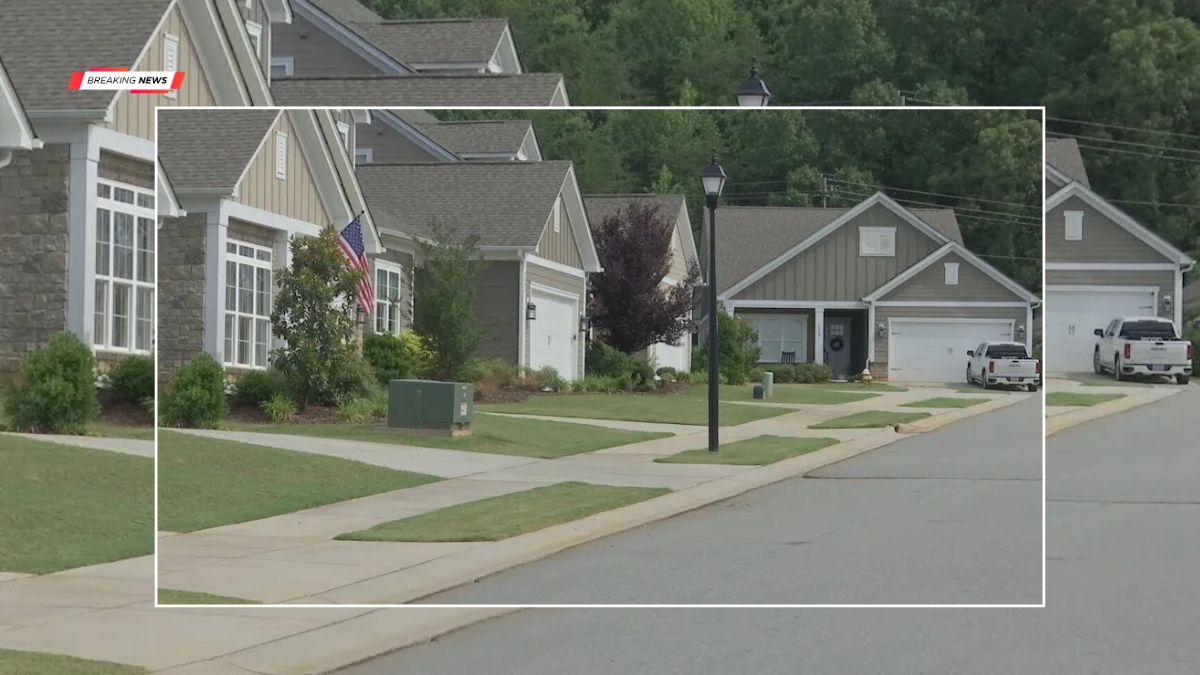
That is the situation many residents in Magnolia Cove, a subdivision in Sherrills Ford, North Carolina, say they are facing after learning of a proposed increase in HOA dues from $350 to $1,250 per month, along with a $10,000 special assessment. The proposal has prompted financial concerns among homeowners and renewed discussion about HOA governance in North Carolina.
Crisis
Residents of Magnolia Cove say the proposed fee increase would place significant financial pressure on many households. Several homeowners, including retirees living on fixed incomes, told local media they would struggle to pay the higher monthly dues if the increase takes effect.
For many residents, the proposal represents more than a higher housing expense. Some say it raises concerns about whether they can continue living in homes they purchased expecting more predictable costs.
Homeowner Jill Menson described the emotional impact of the situation, saying the uncertainty has caused considerable stress and worry.
Increase
The proposed increase follows several years of rising HOA costs.
Residents say HOA dues were approximately $158 per month four years ago. According to homeowners, the fees later increased to $350 per month before reaching the current proposal of $1,250 each month.
Alongside the monthly dues, homeowners have also been notified of a proposed $10,000 special assessment, adding another substantial expense.
| HOA Cost Timeline | Monthly Fee |
|---|---|
| Four years ago | $158 |
| Previous fee | $350 |
| Proposed fee | $1,250 |
| Special assessment | $10,000 (one-time) |
Concerns
Homeowners say they expected HOA fees to support neighborhood maintenance and community improvements, including lawn care and construction of a swimming pool.
According to several residents, the planned pool has not been built despite years of HOA payments.
As a result, some homeowners are asking for more information about how association funds have been used and whether the proposed increase is necessary.
Residents have also raised concerns about the level of financial transparency provided by the HOA.
Control
Another issue receiving attention is the current governance structure of the homeowners association.
Residents say the property developer continues to serve as the HOA president. This arrangement is common in new developments because the developer, referred to as the declarant under North Carolina law, generally controls the HOA until a specified number of homes have been sold.
Magnolia Cove includes about 80 homes but only around 20 individual property owners, with several homes now operating as rental properties.
Some residents say they were not expecting the community to include a large number of rental homes and believe that change has affected the neighborhood.
Disputes
Questions surrounding HOA finances have already led to legal disputes.
Homeowner Mike Brokaw said greater communication and transparency could have reduced misunderstandings and potentially avoided litigation.
The HOA’s attorney, H. Weldon Jones III, said the proposed assessments are intended to fund the association’s operating expenses. According to the attorney, the developer had covered many of those expenses for years because some property owners were delinquent or had not paid their HOA assessments.
Residents also said the next HOA meeting will be held virtually, that questions must be submitted in advance, and that homeowners will not be able to vote on the proposed increases.
Laws
Homeowners associations in North Carolina are governed by the Planned Community Act, which is contained in Chapter 47F of the state’s General Statutes.
The law outlines how HOAs are established, the authority they have, and the process for collecting assessments.
North Carolina does not have a single state agency responsible for overseeing homeowners associations, meaning many disputes are handled through the courts.
Reform
State lawmakers are considering several proposals aimed at changing how homeowners associations operate.
One proposal would shorten the period during which developers maintain control over HOA boards.
Under the measure, developer control would end after certain ownership or development milestones are reached. The proposal would also require board elections after 25 percent and 50 percent of lots have been conveyed to homeowners.
Proposal
House Bill 444 is one of the most closely watched HOA reform proposals currently under consideration.
If enacted, the legislation would introduce several changes.
| Proposed Reform | Purpose |
|---|---|
| Limit budget increases above 5% without owner approval | Increase homeowner oversight |
| Cap HOA fines at $2,500 | Limit financial penalties |
| Require at least 10 days’ notice before hearings | Improve due process |
| Require mediation before certain lawsuits | Encourage dispute resolution |
Although the legislation could affect future HOA operations, it would not immediately change the situation facing Magnolia Cove residents.
Impact
The Magnolia Cove case illustrates the financial challenges that can arise when homeowners associations face increasing operating costs, unpaid assessments, or governance disputes.
For homeowners living on fixed or limited incomes, significant increases in monthly dues can create difficult financial decisions.
As discussions continue in both the courts and the state legislature, many residents are seeking greater transparency, improved communication, and clearer protections for homeowners.
The situation in Magnolia Cove highlights the importance of understanding how homeowners associations operate before purchasing a home. Reviewing governing documents, budgets, reserve funds, and developer control provisions can help buyers better understand potential financial responsibilities. At the same time, proposed legislative changes in North Carolina could influence how HOAs are managed in the future and provide additional safeguards for homeowners.
FAQs
Why are the HOA fees increasing?
The HOA says the increase will fund operating expenses.
How much is the proposed monthly HOA fee?
The proposed monthly fee is $1,250.
What is the special assessment amount?

Homeowners were notified of a $10,000 assessment.
Who currently controls the HOA?
The property developer currently leads the HOA.
What would House Bill 444 change?
It would limit certain HOA powers and budget increases.