
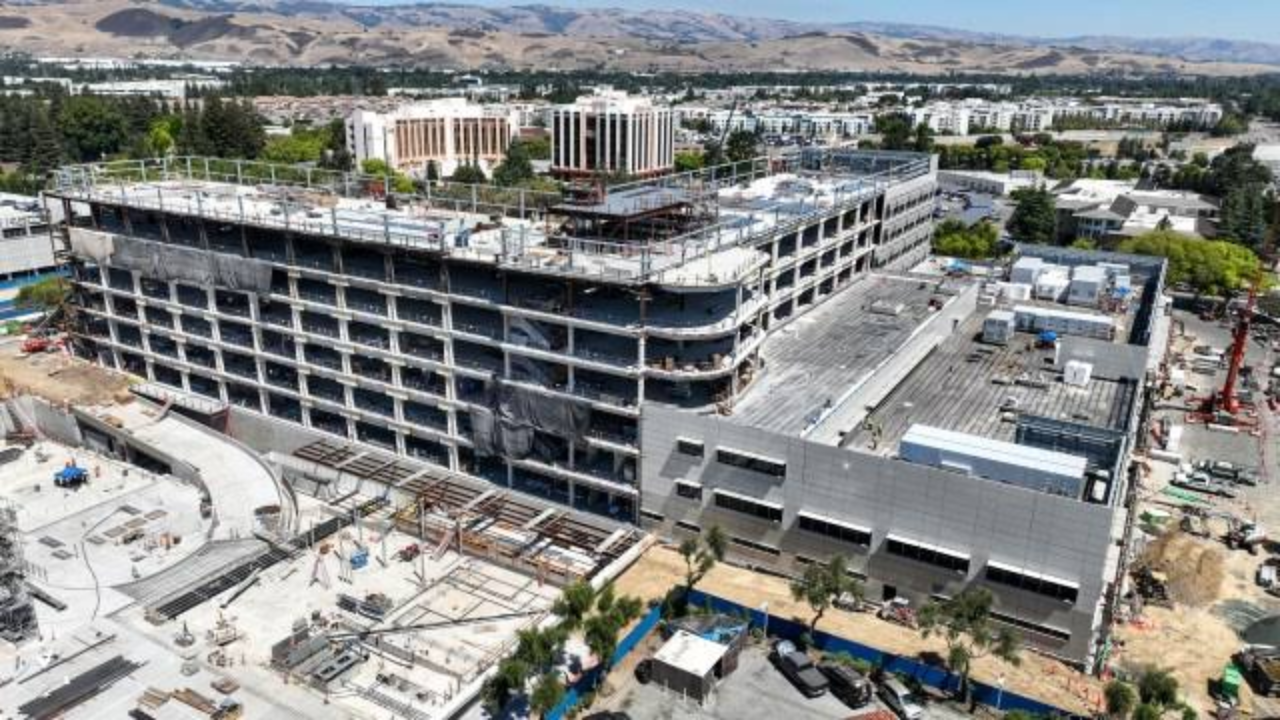
SAN FRANCISCO BAY AREA, California — Hospitals across the San Francisco Bay Area are accelerating major rebuilding and modernization projects as they work to comply with California’s updated earthquake safety standards. The extensive construction effort aims to ensure hospitals remain operational following a major earthquake, protecting patients, healthcare workers, and emergency responders when medical services are needed most.
California has long maintained some of the nation’s strictest seismic building regulations due to its location along multiple active fault lines. Following lessons learned from devastating earthquakes, state lawmakers established increasingly rigorous standards requiring hospitals to withstand strong seismic events while continuing to provide emergency care.
Health systems throughout the Bay Area are now investing billions of dollars in new facilities, structural reinforcements, and infrastructure improvements. While these projects promise safer and more resilient hospitals, they also present significant financial, logistical, and operational challenges for healthcare providers already facing rising costs and increasing patient demand.
Hospitals Accelerate Major Seismic Upgrades
Medical centers throughout the San Francisco Bay Area are undertaking extensive construction projects to strengthen buildings against future earthquakes. Many hospitals are replacing aging facilities built before modern seismic codes while others are reinforcing existing structures with advanced engineering techniques.
The upgrades include stronger structural foundations, reinforced concrete and steel frameworks, modern seismic isolation systems, upgraded emergency power supplies, improved water storage, and enhanced communication infrastructure. These improvements are intended to allow hospitals to remain fully operational even after experiencing significant earthquake shaking.
Hospital administrators say construction projects have been carefully planned to minimize disruptions to patient care. In many cases, new buildings are being constructed alongside existing facilities before medical services are transferred to the upgraded campuses.
Officials emphasize that maintaining uninterrupted healthcare services during construction remains a top priority, requiring years of careful planning and coordination.
California’s Earthquake Standards Drive Hospital Modernization
California’s seismic safety laws require hospitals providing acute medical care to meet strict structural and operational performance standards. The regulations are designed not only to prevent building collapse but also to ensure hospitals can continue treating patients immediately after a major earthquake.
Unlike many commercial buildings, hospitals must maintain functioning operating rooms, emergency departments, intensive care units, diagnostic equipment, electrical systems, and water supplies following a disaster. This higher performance standard reflects the essential role hospitals play during emergencies.
Healthcare systems across the Bay Area are working toward state compliance deadlines by renovating older facilities or replacing them entirely. Engineers are also evaluating non-structural components such as medical equipment, pipelines, ceilings, elevators, and utility systems that could fail during seismic events even if buildings remain standing.
Officials say these comprehensive requirements make hospital construction among the most technically demanding building projects in California.
Financial and Operational Challenges Continue
While seismic upgrades improve long-term public safety, they also require enormous financial investments. Many Bay Area healthcare providers are spending hundreds of millions—or even billions—of dollars on construction, equipment, and infrastructure improvements.
Hospital leaders have expressed concern about balancing these capital projects with rising healthcare costs, workforce shortages, technological investments, and everyday patient care needs. Financing large-scale rebuilding efforts often requires long-term planning, government approvals, and complex funding arrangements.
Construction projects may also temporarily affect hospital operations, requiring departments to relocate while work is completed. Administrators have worked to minimize patient disruption through phased construction schedules and temporary facilities.
Despite the financial burden, healthcare leaders generally agree that investing in earthquake resilience is essential given California’s continuing seismic risk and the need to maintain emergency medical services following a major disaster.
Earthquake Preparedness Remains a Public Safety Priority
Experts say the Bay Area’s ongoing hospital modernization effort represents a critical investment in regional disaster preparedness. The San Andreas Fault, Hayward Fault, and several other active fault systems continue to pose significant earthquake risks throughout Northern California.
Modern earthquake-resistant hospitals are expected to play a central role in responding to future disasters by providing trauma care, emergency surgeries, intensive care, and shelter for patients during large-scale emergencies.
State officials continue working closely with healthcare providers, engineers, architects, and emergency management agencies to ensure facilities meet evolving safety standards. Beyond structural improvements, hospitals regularly conduct emergency response exercises, disaster planning, and staff training to improve readiness.
The rebuilding effort reflects California’s long-term strategy of reducing disaster risks before catastrophic earthquakes occur rather than responding only after damage has been sustained.
Project Overview
| Category | Details |
|---|---|
| Project | Hospital seismic rebuilding and modernization |
| Location | San Francisco Bay Area, California, USA |
| Primary Goal | Meet California earthquake safety standards |
| Facilities Affected | Acute care hospitals across the Bay Area |
| Major Improvements | Structural reinforcement, new hospital buildings, upgraded emergency systems |
| Key Focus | Hospitals remaining operational after earthquakes |
| Challenges | High construction costs, operational continuity, project financing |
| Safety Benefits | Improved patient protection and emergency response capability |
| Driving Factor | California seismic regulations |
| Current Status | Ongoing construction and compliance efforts |
Hospitals across the San Francisco Bay Area are making significant progress toward meeting California’s demanding earthquake safety standards through large-scale rebuilding and modernization projects. Although the effort requires substantial financial investment and years of construction, healthcare leaders view the upgrades as essential to protecting patients and ensuring medical services remain available after future earthquakes.
As California continues strengthening disaster preparedness, resilient hospitals will become a cornerstone of emergency response throughout the region. The ongoing projects demonstrate the state’s commitment to reducing earthquake risks while maintaining reliable healthcare infrastructure capable of serving communities during their greatest times of need.
FAQ’s:
Why are Bay Area hospitals being rebuilt?
Hospitals are upgrading facilities to comply with California’s earthquake safety standards and remain operational after major seismic events.
Where are these projects taking place?
The rebuilding efforts are occurring throughout the San Francisco Bay Area, California, USA.
What improvements are being made?

Projects include structural reinforcement, new hospital construction, upgraded emergency power systems, improved utilities, and advanced seismic engineering features.
Why are hospitals held to stricter standards than other buildings?
Hospitals must continue operating after earthquakes because they provide emergency medical care during disasters when communities need them most.
What challenges do hospitals face?
Healthcare providers must balance expensive construction projects with ongoing patient care, rising healthcare costs, workforce demands, and complex regulatory requirements while maintaining normal hospital operations.