
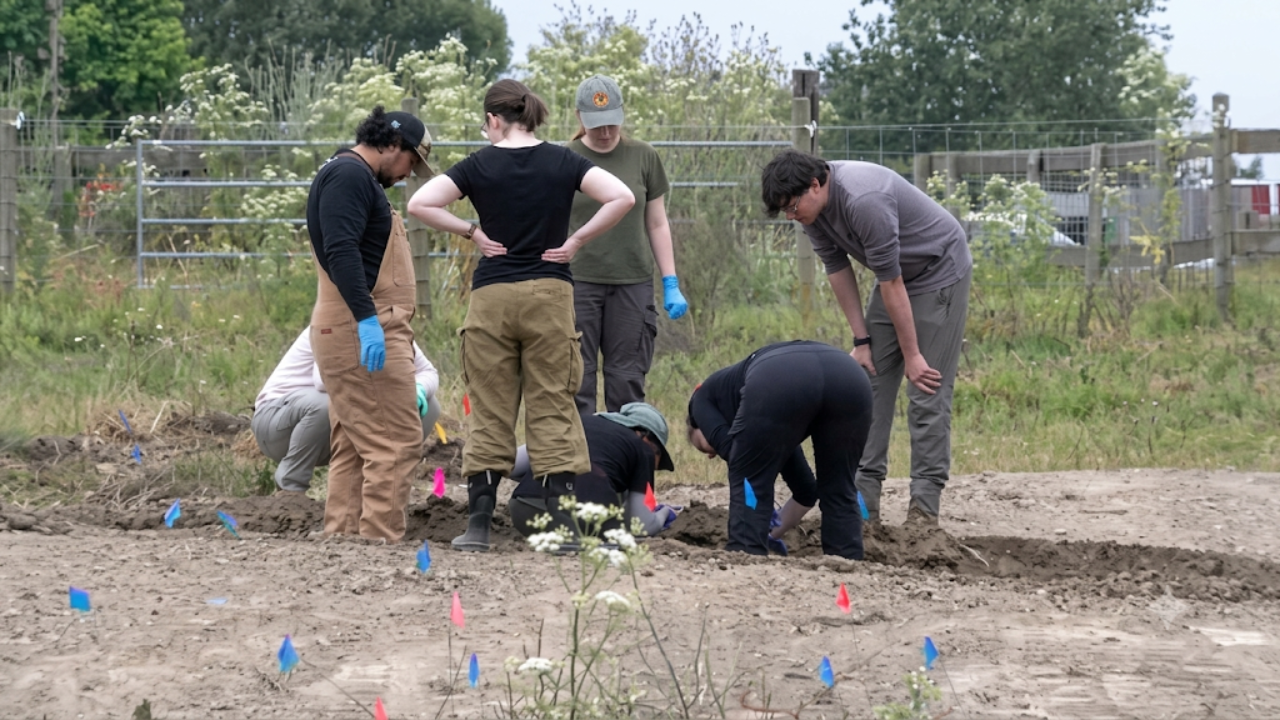
Vallejo, California: A disturbing investigation into a Northern California animal rescue organization has uncovered mass graves, decomposing animal remains, and evidence suggesting that hundreds of dogs may be unaccounted for. Authorities launched the investigation after receiving complaints about the operation of the rescue facility, leading to a large-scale excavation that revealed buried animal carcasses across the property. The findings have prompted an extensive criminal investigation involving local law enforcement, animal welfare officials, and forensic experts.
Investigators said the discovery followed growing concerns from former volunteers, adopters, and members of the public who questioned the rescue’s practices and the whereabouts of hundreds of animals believed to have passed through the organization. The case has drawn widespread attention from animal welfare advocates, who are calling for greater oversight of rescue organizations and stricter accountability measures to prevent similar incidents.
Excavation Reveals Mass Graves and Decomposing Animal Remains
Authorities began excavating the rescue property in Vallejo, California, after obtaining information suggesting that numerous deceased animals had been buried on-site. During the search, investigators uncovered multiple burial sites containing decomposing dogs and other animal remains. Some carcasses were reportedly buried together in large pits, while others were discovered in separate graves scattered throughout the property.
Officials stated that forensic teams carefully documented each discovery to preserve evidence and determine the circumstances surrounding the animals’ deaths. Veterinarians and forensic specialists are examining the remains to establish possible causes of death, estimate how long the animals had been buried, and identify individual animals through microchips, veterinary records, or DNA when possible. The excavation is expected to continue as authorities search additional portions of the property for further evidence.
Investigation Focuses on Missing Dogs and Rescue Operations
One of the central issues in the investigation is the reported disappearance of approximately 700 dogs that were believed to have entered the rescue organization’s care over time. Authorities are working to reconcile adoption records, veterinary documentation, intake logs, and transfer paperwork to determine the fate of the missing animals. Investigators are comparing available records with the remains recovered during the excavation to establish whether the deceased animals were among those previously reported as rescued or adopted.
Law enforcement officials are also reviewing the organization’s operational practices, including animal intake procedures, medical care, housing conditions, and recordkeeping. Former volunteers and individuals who interacted with the rescue have been interviewed as investigators attempt to reconstruct the organization’s activities over several years. Officials emphasized that no final conclusions have been reached regarding criminal responsibility, and the investigation remains active while evidence continues to be collected and analyzed.
Animal Welfare Concerns and Community Response
The discoveries have shocked residents, animal welfare advocates, and former supporters of the rescue organization. Many community members had believed the facility was providing shelter and rehabilitation for abandoned or neglected animals, making the discovery of mass graves particularly alarming. Animal welfare organizations have described the findings as deeply troubling and stressed the importance of ensuring that rescue groups maintain transparent records and comply with established standards of care.
Experts note that rescue organizations often rely on donations, volunteers, and public trust, making accountability essential for protecting animal welfare. The investigation has renewed discussions about regulatory oversight of nonprofit animal rescues, including licensing requirements, routine inspections, and mandatory reporting of animal outcomes. Advocates believe stronger oversight could help identify operational problems earlier and reduce the likelihood of similar incidents occurring elsewhere.
Authorities Continue Forensic Examination and Evidence Collection
The investigation remains ongoing as forensic specialists continue examining recovered remains and documenting evidence found at the site. Authorities are processing physical evidence, reviewing digital records, and coordinating with veterinary experts to determine whether neglect, improper disposal of deceased animals, fraud, or other potential offenses occurred. Investigators have not announced any criminal charges at this stage, emphasizing that the inquiry is still in its evidence-gathering phase.
Officials are also working to identify surviving animals associated with the rescue and ensure they receive appropriate medical evaluations and placement if necessary. Community members who previously adopted animals from the organization or have information relevant to the investigation have been encouraged to contact investigators. Authorities indicated that public cooperation may help clarify the history of the rescue’s operations and account for animals whose whereabouts remain unknown.
Case Overview
| Detail | Information |
|---|---|
| Incident | Investigation into animal rescue organization |
| Location | Vallejo, California |
| Discovery | Mass graves and decomposing animal remains |
| Missing Animals | Approximately 700 dogs under investigation |
| Agencies Involved | Local law enforcement, animal welfare authorities, forensic experts |
| Evidence Collected | Animal remains, burial sites, rescue records, veterinary documents |
| Investigation Focus | Missing animals, rescue operations, possible neglect or criminal violations |
| Current Status | Active investigation with ongoing excavations |
| Public Appeal | Authorities seeking information from former volunteers and adopters |
The investigation into the Northern California animal rescue has uncovered disturbing evidence that has raised serious concerns about the organization’s operations and the welfare of hundreds of animals entrusted to its care. The discovery of mass graves and decomposing animal remains has prompted an extensive forensic investigation aimed at determining how the animals died, identifying those recovered, and accounting for the large number of dogs reported missing.
Authorities continue to examine physical evidence, organizational records, and witness statements while expanding excavation efforts at the property. Although no criminal charges have yet been announced, investigators stress that the case remains active and that additional findings may emerge as forensic analysis progresses. The incident has also renewed calls for stronger oversight of animal rescue organizations to ensure transparency, accountability, and the humane treatment of animals.
Frequently Asked Questions:
Where did the investigation take place?
The investigation took place at an animal rescue property in Vallejo, California.
What did investigators discover?
Officials are attempting to determine the fate of approximately 700 dogs believed to have passed through the rescue organization by reviewing records and comparing them with recovered remains.
Why are investigators examining about 700 missing dogs?

Officials are attempting to determine the fate of approximately 700 dogs believed to have passed through the rescue organization by reviewing records and comparing them with recovered remains.
Have any criminal charges been filed?
No criminal charges have been announced so far. The investigation is still ongoing.
What happens next in the investigation?
Investigators will continue excavations, conduct forensic examinations, review records, interview witnesses, and determine whether any criminal or animal welfare violations occurred.