Austin, Texas: The Texas State Board of Education has voted to approve a policy requiring selected Bible passages to be included as part of required classroom reading in public schools, a decision that has immediately sparked statewide debate over education standards, religious influence in schools, and curriculum control. The policy is expected to affect instructional materials used in various grade levels, depending on implementation guidelines developed by education officials.
The vote represents a significant shift in curriculum direction for one of the largest public education systems in the United States, where school policy decisions often influence national discussions on education content. Supporters of the measure argue it emphasizes historical and literary significance, while critics raise concerns about church-state separation and inclusivity in public education.
Texas Education Board Approves Curriculum Change
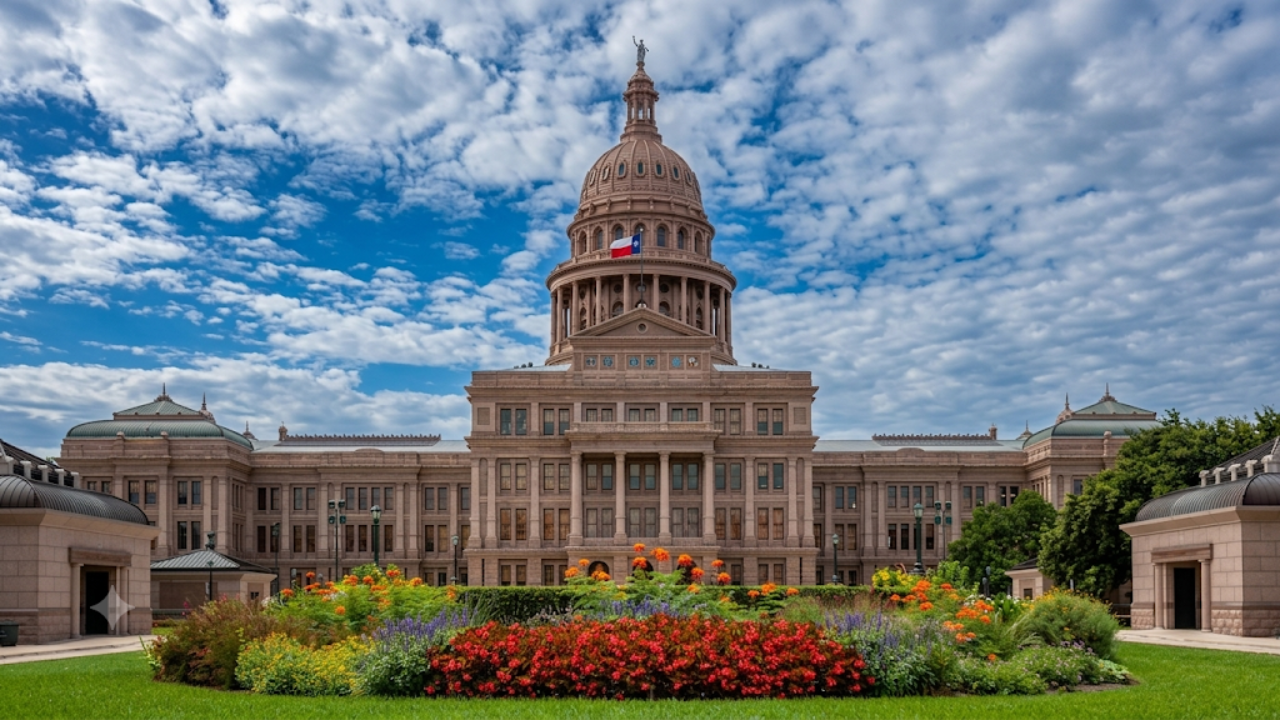
The decision was made during a formal meeting of the Texas State Board of Education in Austin, Texas, United States, where board members voted to include selected Bible passages as required reading in public school classrooms. The passages are expected to be integrated into language arts or social studies curricula, depending on how school districts implement the new guidelines.
Supporters of the policy stated that the Bible has historical and literary importance and has influenced Western literature, law, and cultural development. They argue that exposing students to these texts can help them better understand historical references and literary traditions. The board emphasized that the decision falls within its authority to approve instructional standards for public education across the state.
Debate Over Religion and Public School Curriculum
The vote has triggered significant debate among educators, parents, and advocacy groups regarding the role of religious texts in public school instruction. Critics argue that requiring Bible passages as mandatory reading could raise constitutional concerns related to the separation of church and state, particularly in public education settings funded by taxpayers from diverse religious and non-religious backgrounds.
Education advocates opposing the measure have expressed concerns about how the policy will be implemented in classrooms and whether it may influence students’ religious perspectives. They argue that while religious texts can be studied in academic contexts, making them required reading may blur the line between cultural education and religious instruction. Supporters counter that the policy is focused on literary and historical analysis rather than religious practice.
Implementation and School District Responsibilities
Following the board’s vote, Texas school districts will be responsible for determining how to integrate the required Bible passages into classroom instruction. Education officials are expected to release detailed curriculum guidelines outlining which passages will be included and how they should be taught within existing academic frameworks.
District administrators may need to update lesson plans, provide teacher training, and ensure compliance with the new standards while maintaining adherence to broader educational requirements. The rollout is expected to vary across districts depending on local interpretation and resource availability. Officials have indicated that additional guidance will be issued to help schools implement the policy consistently across the state.
Political and Educational Impact of the Decision
The decision is expected to have broader political and educational implications, as Texas often plays a leading role in shaping textbook and curriculum standards used in other states. Education policy analysts suggest that the vote could influence future debates on curriculum content nationwide, particularly regarding the inclusion of religious or historical texts in public education.
The policy also arrives amid ongoing national discussions about education reform, curriculum transparency, and parental involvement in school content decisions. Supporters view the move as a return to traditional educational materials, while opponents see it as a controversial expansion of religious content in publicly funded classrooms. Legal experts suggest the policy may face scrutiny depending on how it is implemented at the district level.
Case Overview
| Detail | Information |
|---|---|
| Decision | Bible passages approved as required reading |
| Location | Austin, Texas, United States |
| Governing Body | Texas State Board of Education |
| Policy Area | Public school curriculum |
| Scope | Selected Bible passages in classroom instruction |
| Implementation | To be applied through school districts |
| Supporters’ View | Literary and historical significance |
| Critics’ Concern | Church-state separation and inclusivity |
| Expected Impact | Curriculum changes across Texas public schools |
The Texas State Board of Education’s decision to require selected Bible passages in public school reading materials marks a significant and controversial change in state education policy. While supporters argue that the move reinforces the historical and literary importance of biblical texts, critics raise concerns about religious neutrality in publicly funded education systems.
As school districts prepare to implement the new requirements, the policy is expected to generate continued debate among educators, policymakers, and legal experts. Its long-term impact will depend on how it is applied in classrooms and whether it withstands potential legal and political challenges. The decision also highlights broader national conversations about the role of religion in public education and curriculum design.
Frequently Asked Questions:
What did the Texas Education Board approve?
The board approved a policy requiring selected Bible passages to be included as required reading in public school classrooms.
Where was the decision made?
The vote took place in Austin, Texas, during a Texas State Board of Education meeting.
Why are Bible passages being included?

Supporters argue that the Bible has historical and literary significance and is important for understanding cultural and literary traditions.
How will the policy be implemented?
Texas school districts will integrate the passages into lesson plans based on guidelines provided by education officials.
Why is the decision controversial?
Critics argue that requiring Bible passages in public schools may raise concerns about separation of church and state and religious neutrality in education.