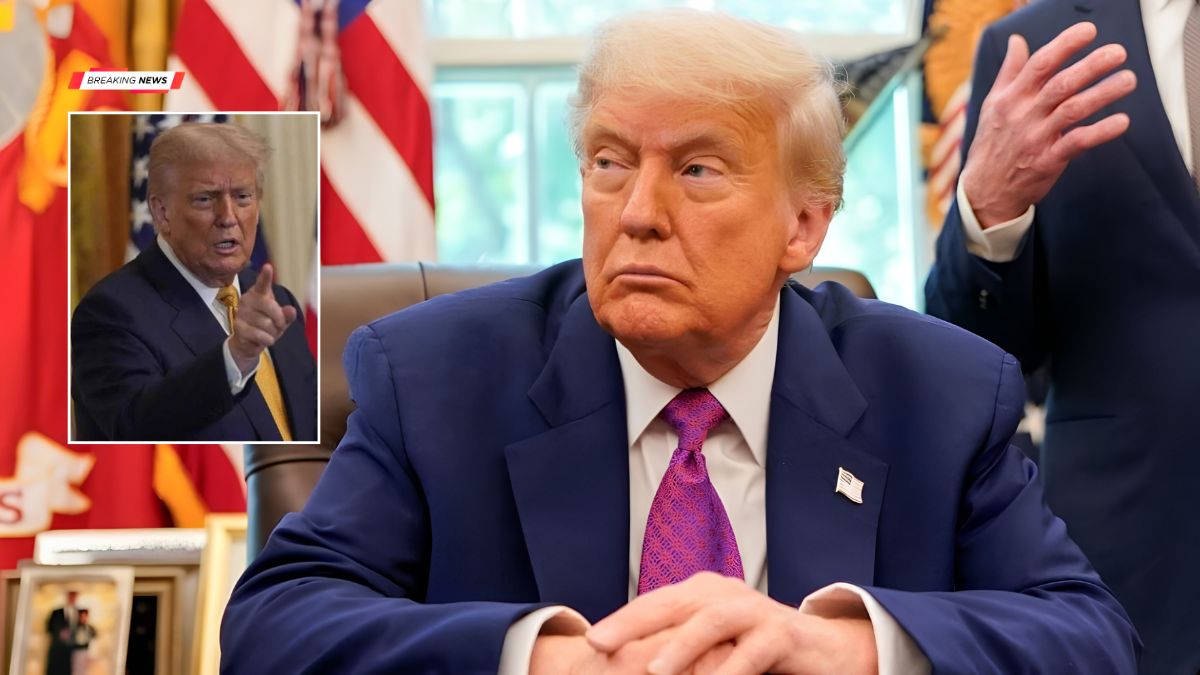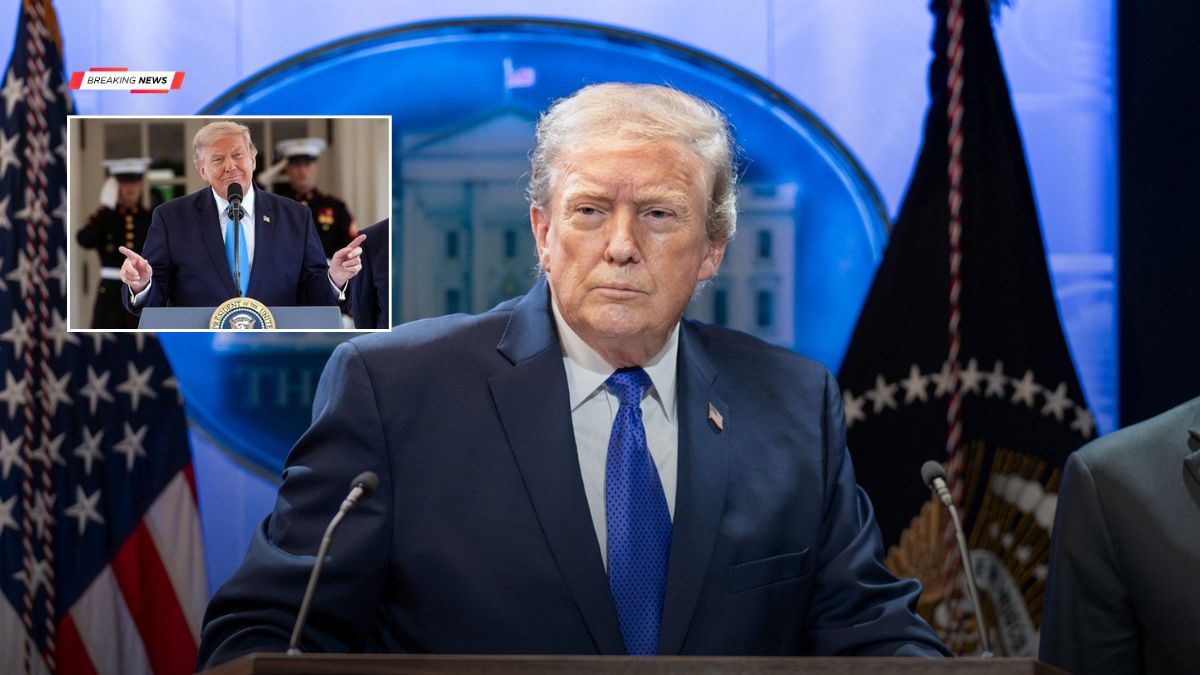
WASHINGTON, D.C. — The iconic Reflecting Pool on the National Mall is now under increased surveillance after President Donald Trump alleged that vandals were responsible for the appearance of green algae in the historic landmark. The new monitoring measures come as officials seek to protect one of the nation’s most recognizable public spaces while determining the factors behind the discoloration that recently drew widespread public attention.
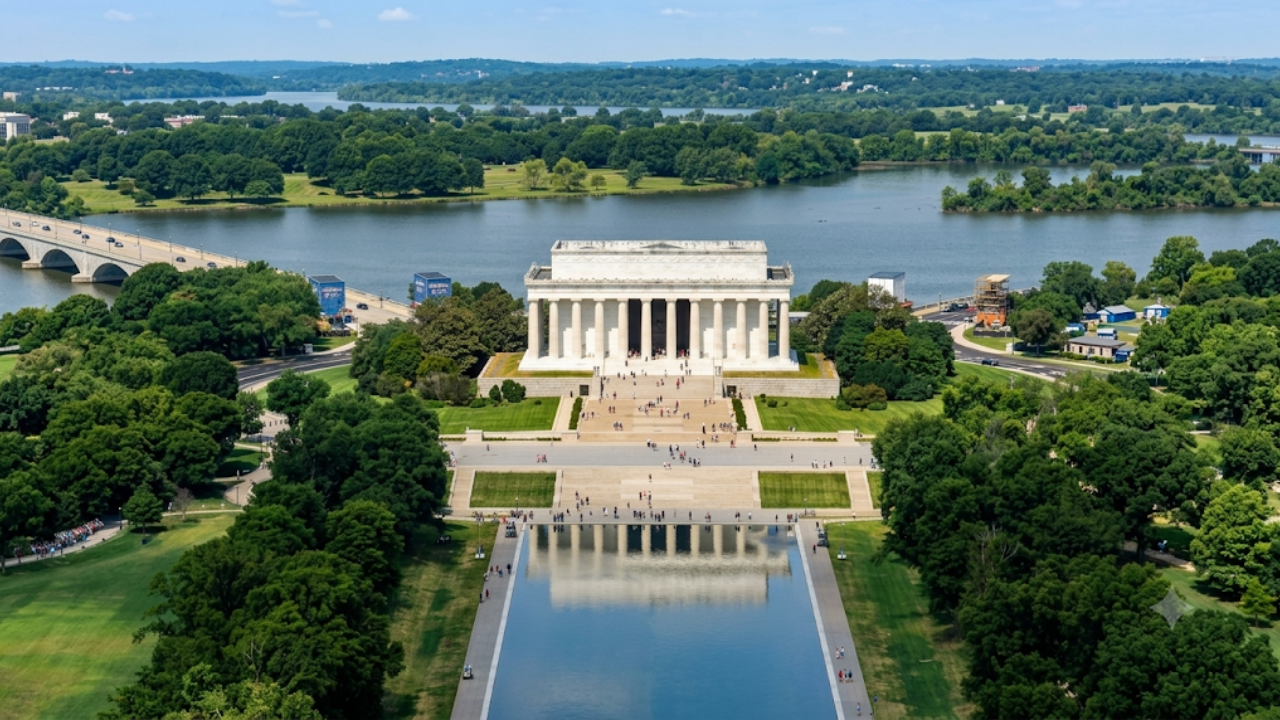
The Reflecting Pool, located between the Lincoln Memorial and the Washington Monument, has long been one of the capital’s most visited attractions. The appearance of green algae sparked concern among visitors and prompted renewed discussion about maintenance, water quality, and preservation of federal monuments. The issue quickly gained national attention after Trump publicly suggested that deliberate acts of vandalism may have contributed to the problem.
Federal officials have since increased surveillance around the area as a precautionary measure. While authorities continue monitoring the site, no public announcement has confirmed evidence linking vandalism to the algae growth. The investigation remains focused on ensuring the landmark is protected while maintenance efforts continue.
The situation highlights the challenges involved in maintaining historic public spaces that receive millions of visitors each year. Environmental conditions, weather, water circulation, and human activity all play roles in preserving the Reflecting Pool’s appearance and long-term condition.
Surveillance Expanded to Protect Historic Landmark
Following concerns surrounding the Reflecting Pool, additional surveillance measures were introduced around the National Mall area. Officials indicated that increased monitoring is intended to discourage vandalism, improve security, and assist investigators should any suspicious activity occur near the monument.
The Reflecting Pool has historically required ongoing maintenance because of its size, outdoor exposure, and heavy visitor traffic. Federal agencies responsible for managing the National Mall routinely inspect the area to ensure public safety and preserve the landmark’s appearance for millions of annual visitors.
President Trump stated that vandals were responsible for the green algae affecting the pool, prompting additional public attention and calls for stronger security measures. However, officials have not publicly confirmed that vandalism caused the discoloration, and investigations continue as authorities evaluate all possible explanations.
Security cameras and increased monitoring may also help protect other nearby memorials and monuments that have occasionally experienced vandalism or unauthorized activity. Officials emphasize that preserving national landmarks remains a priority regardless of the cause of the latest incident.
Green Algae Raises Questions About Water Quality
Green algae commonly develop in bodies of water when environmental conditions become favorable for rapid growth. Warm temperatures, sunlight, nutrient levels, and slower water circulation can all contribute to algae formation, particularly during summer months.
Experts note that algae growth is not always the result of intentional human activity. Natural biological processes frequently influence water quality in ponds, lakes, fountains, and decorative pools, requiring routine maintenance to maintain clear water and aesthetic appearance.
The Reflecting Pool has undergone major restoration projects in previous years to improve water circulation, filtration systems, and structural integrity. Despite these improvements, regular maintenance remains necessary because outdoor conditions continually affect water quality.
Officials responsible for the site continue monitoring the water while carrying out maintenance activities designed to restore the pool’s appearance. Cleaning operations, water treatment, and environmental monitoring are standard components of managing historic public water features.
The current attention surrounding the algae has also increased public interest in how national monuments are maintained and protected throughout the year.
National Landmark Continues to Draw Millions of Visitors
The Reflecting Pool remains one of Washington’s most recognizable landmarks and serves as a central feature of the National Mall. Visitors from around the world gather at the site to view the Lincoln Memorial, photograph the Washington Monument reflected in the water, and participate in educational and commemorative events.
Because of its historical importance, federal agencies devote significant resources toward preserving the monument and maintaining surrounding landscapes. Routine inspections, landscaping, water treatment, and security operations help ensure the area remains safe and accessible.
The recent algae controversy has highlighted the importance of balancing public access with preservation efforts. Increased surveillance represents one component of broader management strategies intended to safeguard national monuments while allowing visitors to continue enjoying the historic site.
Officials continue encouraging visitors to respect public property and follow park regulations while investigations and maintenance work proceed. The Reflecting Pool remains open to the public as authorities monitor conditions and evaluate any additional protective measures that may become necessary.
The situation underscores the continuing responsibility of preserving nationally significant landmarks for future generations while responding to emerging maintenance and security challenges.
Reflecting Pool Surveillance Overview
| Detail | Information |
|---|---|
| Location | Reflecting Pool, National Mall, Washington, D.C. |
| Primary Issue | Green Algae Appearance |
| Security Action | Increased Surveillance |
| Public Figure Involved | President Donald Trump |
| Allegation | Possible Vandalism |
| Official Confirmation | Investigation Ongoing |
| Landmark | Lincoln Memorial Reflecting Pool |
| Responsible Agencies | Federal Park and Security Officials |
| Visitor Status | Open to Public |
| Primary Goal | Protect and Preserve Historic Landmark |
The decision to increase surveillance around Washington’s Reflecting Pool reflects continued efforts to protect one of the nation’s most iconic public landmarks. While President Donald Trump attributed the recent appearance of green algae to vandalism, officials have not publicly confirmed that explanation and continue evaluating all possible causes.
The incident has renewed attention on the challenges involved in maintaining historic outdoor monuments that face constant exposure to weather, environmental conditions, and heavy public use. Regular maintenance, water quality management, and security measures remain essential components of preserving these nationally significant sites.
As investigations continue, visitors can expect ongoing monitoring and maintenance activities aimed at restoring the Reflecting Pool while ensuring its long-term protection. Federal agencies remain responsible for balancing preservation, accessibility, and public safety at one of America’s most recognizable memorial landscapes.
Whether the algae resulted from natural conditions, human activity, or a combination of factors, the controversy has reinforced the importance of protecting historic landmarks and maintaining public confidence in the stewardship of national treasures.
FAQ’s:
Why is the Reflecting Pool under surveillance?
Additional surveillance was introduced to enhance security and protect the landmark following concerns surrounding the appearance of green algae.
What did President Trump say?
President Trump stated that vandals were responsible for the green algae, although officials have not publicly confirmed that claim.
Where is the Reflecting Pool located?

The Reflecting Pool is situated on the National Mall in Washington, D.C., between the Lincoln Memorial and the Washington Monument.
Can green algae occur naturally?
Yes. Algae often develop naturally because of warm temperatures, sunlight, nutrient levels, and water conditions.
Is the Reflecting Pool still open to visitors?
Yes. The landmark remains open while maintenance, monitoring, and security operations continue.