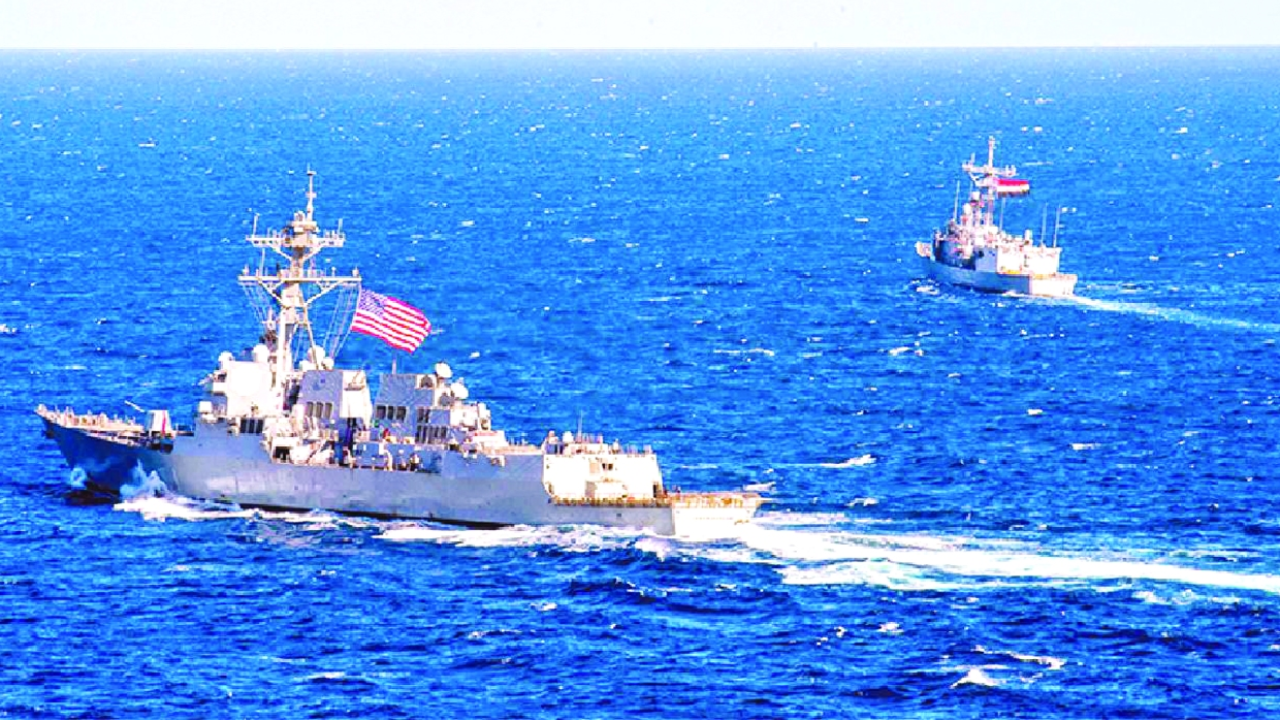
EASTERN PACIFIC OCEAN — The United States carried out a military strike on a suspected drug smuggling vessel in the Eastern Pacific, resulting in the deaths of three individuals, according to official accounts. The operation is part of ongoing efforts by US authorities to combat international narcotics trafficking routes that operate across maritime corridors between Central and South America and North America.
The strike underscores the continued escalation of maritime interdiction operations targeting suspected drug cartels, particularly in regions where smuggling routes are difficult to monitor and intercept using conventional law enforcement methods.
Details of the Maritime Strike Operation
The targeted vessel was reportedly operating in international waters in the Eastern Pacific when it was struck by US forces. Authorities stated that the boat was believed to be involved in transporting illegal narcotics along established trafficking routes used by transnational criminal organizations.
According to initial reports, the strike resulted in the deaths of three individuals on board the vessel. The operation was carried out after intelligence assessments identified the boat as a suspected drug trafficking asset. The exact location of the strike within the Eastern Pacific was not publicly disclosed, but it occurred in a region frequently used by smuggling networks moving narcotics northward.
The US military or defense agencies involved have not released detailed operational specifics, citing security and ongoing intelligence considerations.
US Anti-Narcotics Strategy in the Region
The strike forms part of a broader US strategy to disrupt drug trafficking operations at sea before narcotics reach land-based distribution networks. Maritime drug smuggling remains a major challenge for law enforcement agencies due to the vast size of ocean routes and the ability of traffickers to evade detection.
US operations in the Eastern Pacific often involve coordinated surveillance using aerial reconnaissance, naval patrols, and intelligence-sharing with regional partners. Once suspicious vessels are identified, authorities may conduct interdiction or, in some cases, targeted strikes if deemed necessary under operational protocols.
Officials argue that such measures are aimed at weakening organized trafficking networks that contribute to drug distribution across North America.
Legal and Operational Framework
Military and law enforcement operations targeting suspected drug smuggling vessels are typically conducted under a combination of domestic and international legal frameworks. These include maritime security laws, counter-narcotics agreements, and rules governing engagement in international waters.
However, such strikes often raise legal and ethical debates regarding proportionality, evidence standards, and due process. Critics of lethal maritime enforcement operations argue that transparency is limited and that confirmation of criminal activity is often not independently verifiable at the time of action.
Supporters, on the other hand, emphasize the dangers posed by drug trafficking organizations and the need for decisive action to disrupt their operations.
Impact on Regional Drug Trafficking Networks
Authorities believe that strikes like this one are intended to disrupt broader supply chains rather than target individual vessels alone. Drug trafficking organizations operating in the Eastern Pacific frequently rely on fast-moving boats, semi-submersibles, and coordinated relay systems to transport narcotics from production regions toward North American markets.
By targeting suspected vessels early in the transit process, US forces aim to reduce the volume of drugs reaching land-based distribution hubs. However, experts note that traffickers often adapt quickly, shifting routes and tactics in response to enforcement pressure.
The effectiveness of such strikes in significantly reducing overall drug flow remains a subject of ongoing debate among policymakers and security analysts.
International and Public Reaction
Incidents involving lethal strikes on suspected drug boats often generate varied international reactions. Some governments and security agencies support cooperative anti-narcotics efforts, while human rights organizations frequently call for greater transparency and accountability.
Public reaction in the US is typically divided, with some viewing the operations as necessary to combat drug-related violence, while others raise concerns about escalation and the use of lethal force in interdiction missions.
At the time of reporting, no official statements from international bodies regarding this specific incident had been released.
Key Details of the Incident
| Category | Details |
|---|---|
| Location | Eastern Pacific Ocean (exact coordinates undisclosed) |
| Operation Type | US strike on suspected drug smuggling vessel |
| Outcome | 3 individuals killed |
| Target | Alleged narcotics trafficking boat |
| Region Context | Maritime drug trafficking corridor |
| Authority Involved | United States military / counter-narcotics operations |
| Legal Basis | International waters enforcement and anti-drug operations |
| Mission Goal | Disruption of drug trafficking networks |
| Public Disclosure | Limited operational details released |
| Investigation Status | Ongoing assessment of strike results |
The US strike on a suspected drug smuggling vessel in the Eastern Pacific highlights the continued intensity of maritime counter-narcotics operations aimed at disrupting international drug trafficking networks. While officials emphasize the strategic importance of such actions in reducing illicit drug flows, the operation also raises ongoing questions about transparency, legality, and the use of force in international waters.
As investigations and intelligence assessments continue, further details may emerge regarding the identities of those involved and the broader trafficking network linked to the vessel.
FAQ’s:
Where did the strike take place?
The strike occurred in the Eastern Pacific Ocean, in international waters.
How many people were killed?
Three individuals were killed in the operation.
Why was the boat targeted?
It was suspected of being involved in drug smuggling operations.
Who carried out the strike?
US military or counter-narcotics forces conducted the operation.
Is more information available?
US military or counter-narcotics forces conducted the operation.
Is more information available?

Details remain limited as the operation is part of an ongoing security investigation.