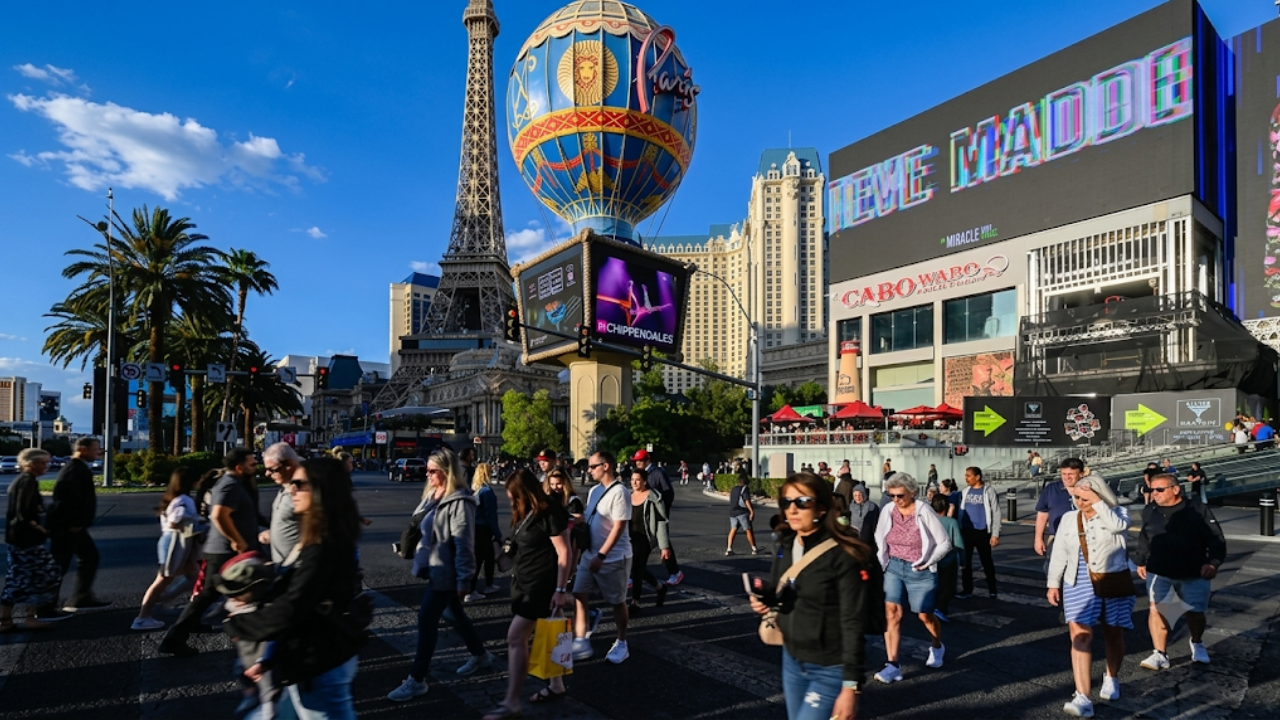
LAS VEGAS, Nevada — Las Vegas, long known as America’s most affordable entertainment hub, is undergoing a major transformation as it shifts from a budget-friendly vacation destination to a high-end luxury travel hotspot. Once famous for inexpensive hotel rooms, discounted buffets, and low-cost entertainment packages, the city is now increasingly associated with premium resorts, upscale dining, and expensive entertainment experiences.
Tourism experts say the change reflects broader shifts in consumer behavior, global travel trends, and investment strategies by major hospitality companies. While Las Vegas still attracts millions of visitors annually, the cost of visiting the Strip has risen significantly, reshaping how travelers plan and budget for trips.
Rise of Luxury Resorts and Premium Experiences
One of the biggest drivers of Las Vegas’ transformation is the rapid expansion of luxury resorts and high-end hospitality brands along the Strip. Major casino operators have invested billions of dollars in redesigning properties to cater to wealthier tourists seeking premium experiences.
Modern resorts now feature luxury suites, exclusive pool areas, celebrity chef restaurants, and VIP entertainment packages that can cost hundreds or even thousands of dollars per night. These offerings are designed to attract affluent travelers who prioritize comfort, exclusivity, and curated experiences.
The shift has also influenced the type of entertainment available in the city. High-budget residencies by global music stars, immersive shows, and premium nightclub experiences have replaced many of the lower-cost entertainment options that once defined Las Vegas tourism.
Increasing Cost of Travel and Accommodation
Travelers visiting Las Vegas today often find significantly higher prices for hotels, food, and entertainment compared to previous decades. Even mid-range hotel rooms on the Strip can now cost several times more during weekends or peak seasons.
Resort fees, parking charges, and dynamic pricing models have further increased the overall cost of staying in the city. Visitors who once expected affordable vacations now face expenses that can rival trips to major international destinations.
Food and beverage pricing has also changed dramatically. Buffets that were once considered budget-friendly staples have been replaced or upgraded into premium dining experiences, often with higher price points and reservation requirements.
These rising costs have contributed to a perception shift, with Las Vegas increasingly viewed as a luxury destination rather than a low-cost getaway.
Changing Tourist Demographics and Expectations
The profile of the average Las Vegas visitor has also evolved. While the city still attracts a broad mix of tourists, there has been noticeable growth in high-income travelers, international tourists, and experience-focused visitors willing to spend more for comfort and exclusivity.
Modern tourists are often seeking curated experiences rather than budget travel deals. This includes luxury shopping, fine dining, wellness retreats, and premium entertainment packages that offer convenience and exclusivity.
At the same time, some budget-conscious travelers are adjusting their expectations or reducing the length of their stays due to rising costs. This shift has encouraged the hospitality industry to further focus on high-margin luxury services.
Economic Strategy Behind the Transformation
Las Vegas’ evolution into a luxury destination is not accidental but the result of deliberate economic strategy by major casino and resort operators. As competition for global tourism increased, companies began investing heavily in high-end infrastructure to attract wealthier customers who spend more per visit.
Luxury tourism generates higher revenue per guest compared to mass-market budget tourism. As a result, businesses have prioritized premium offerings such as penthouse suites, private gaming areas, exclusive concerts, and luxury shopping centers.
City planners and tourism boards have also supported this transition, recognizing that upscale tourism can boost tax revenue and support long-term economic growth. The strategy aligns with global trends seen in other major destinations like Dubai and Monaco.
Impact on Local Workforce and Economy
The shift toward luxury tourism has had mixed effects on the local economy and workforce in Las Vegas. On one hand, the expansion of high-end resorts has created jobs in hospitality, entertainment, fine dining, and customer service.
However, some workers have raised concerns about wage stagnation and affordability in a city where living costs have also increased. As tourism revenue rises, housing and daily expenses for residents have also climbed, creating economic pressure for service workers.
The transformation has also changed the nature of hospitality jobs, with increased demand for specialized skills in luxury service, culinary arts, and entertainment management.
Future of Las Vegas Tourism
Experts predict that Las Vegas will continue to evolve as a hybrid destination that caters to both luxury travelers and mid-range tourists. While the city is increasingly associated with high-end experiences, it still retains elements of affordability for visitors who plan carefully.
Future developments are expected to include more integrated resorts, immersive entertainment districts, and technology-driven experiences aimed at enhancing luxury travel.
At the same time, competition from other global destinations may influence pricing strategies and tourism models in the coming years.
Key Facts About Las Vegas Tourism Shift
| Category | Details |
|---|---|
| Location | Las Vegas, Nevada, United States |
| Trend | Shift from budget travel to luxury tourism |
| Drivers | Resort expansion, premium entertainment, rising prices |
| Impact | Higher costs for visitors, increased luxury demand |
| Tourism Type | High-end hospitality and experience-based travel |
| Industry Response | Investment in premium resorts and services |
| Visitor Change | Growth in high-income and international tourists |
| Economic Effect | Higher revenue but increased local cost of living |
| Status | Ongoing transformation |
| Future Outlook | Continued luxury-focused development |
Las Vegas’ transformation from an affordable vacation destination into a luxury travel hub reflects broader changes in global tourism and hospitality economics. Driven by major investments in upscale resorts, entertainment, and premium services, the city has redefined its identity to attract higher-spending visitors.
While the shift has boosted revenue and elevated the city’s global profile, it has also changed the experience for traditional budget travelers. As Las Vegas continues to evolve, it remains one of the world’s most dynamic tourism destinations, balancing its historic roots with a rapidly modernizing luxury landscape.
FAQ’s:
Why has Las Vegas become more expensive?
Las Vegas has shifted toward luxury tourism, with higher-end resorts, entertainment, and pricing models increasing overall costs.
Is Las Vegas still a budget destination?
It can still be affordable with careful planning, but overall prices have increased significantly compared to the past.
What caused this change in tourism?

Major investments in luxury resorts and demand for premium travel experiences have driven the shift.
Who benefits from this transformation?
Hospitality companies and luxury service providers benefit most due to higher spending per visitor.
Will Las Vegas remain a luxury destination?
Experts expect it to continue growing as a luxury-focused destination while still offering some mid-range options.