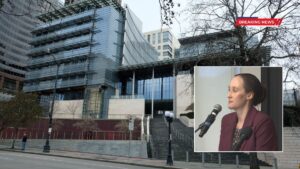
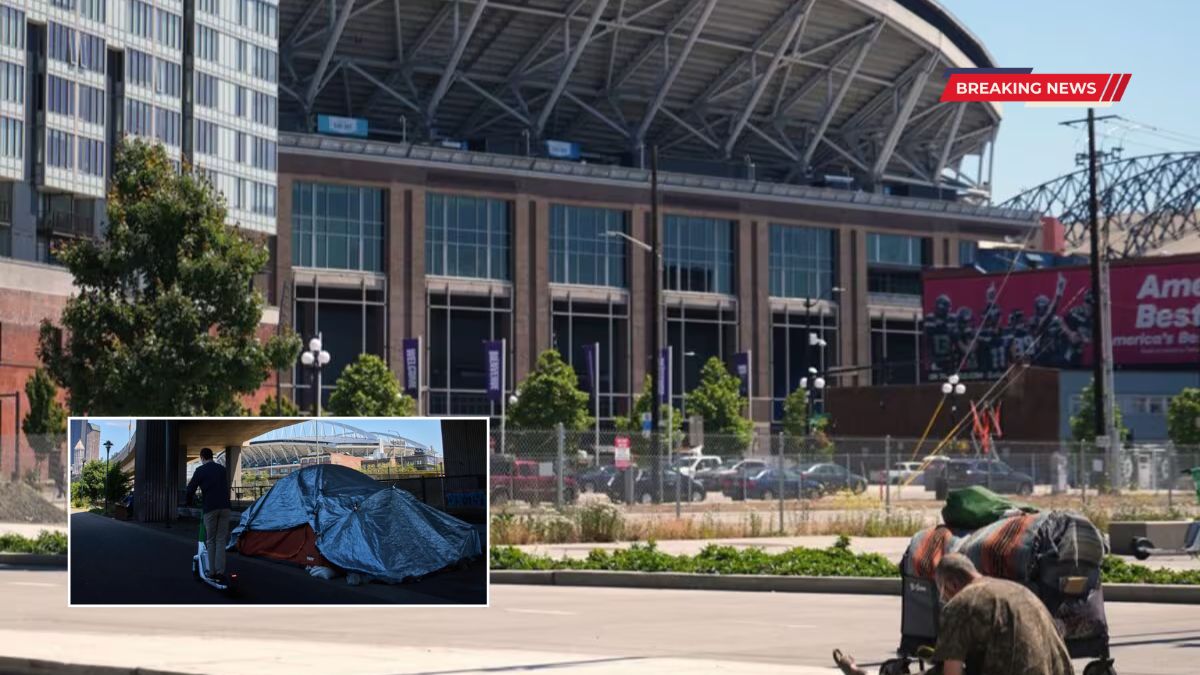
Seattle is intensifying efforts to move people experiencing homelessness into shelters as the city prepares for an influx of visitors ahead of the 2026 FIFA World Cup. City officials, nonprofit organizations, and business groups are focusing on Pioneer Square, an area expected to see heavy foot traffic during the tournament, as they test whether a coordinated outreach model can quickly reduce unsheltered homelessness in a concentrated area.
Context
Nearly 750,000 visitors are expected to come to Seattle for World Cup matches and related events at and around Lumen Field, with the opening match scheduled for June 11, 2026. Pioneer Square, located nearby, is expected to host fan events and watch parties, adding to existing crowds in one of the city’s oldest neighborhoods.
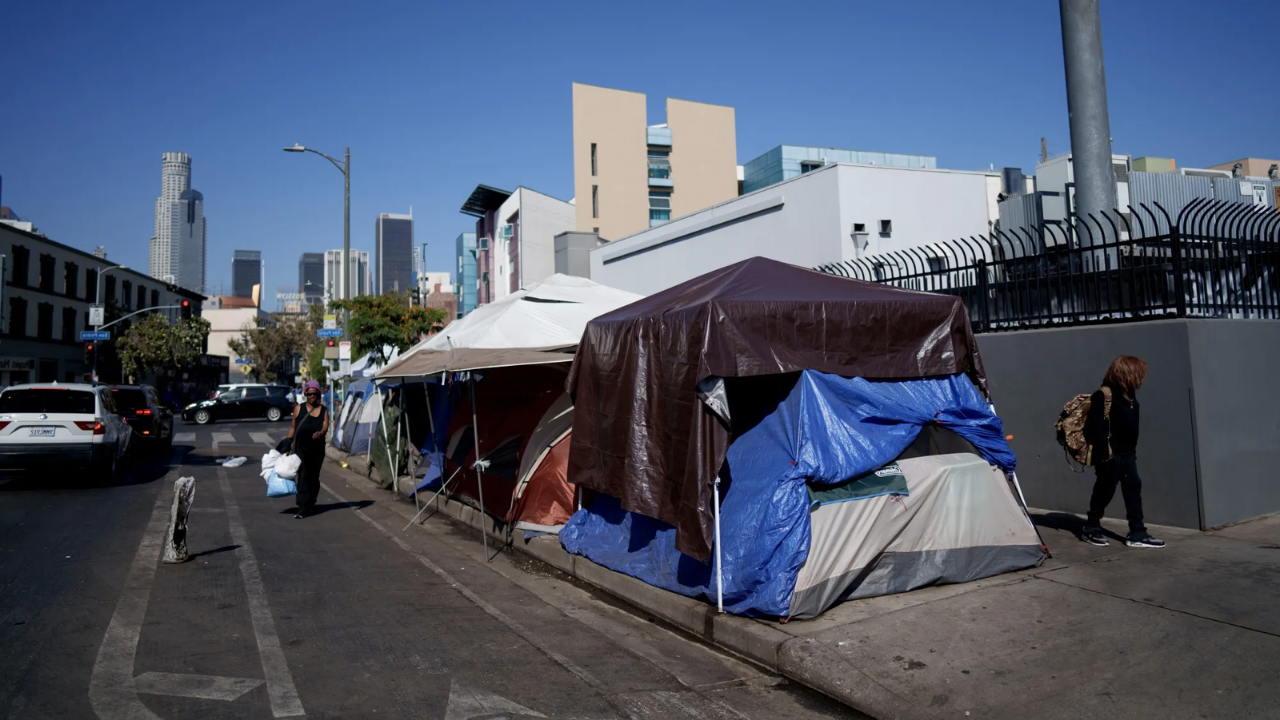
Over the years, Pioneer Square has also become a central gathering point for people experiencing homelessness, in part because it contains four shelter facilities and offers easy access to services and transportation. Some residents say the area’s walkability and proximity to resources make it preferable to more distant locations.
Outreach
In response, several nonprofit organizations have partnered with the Downtown Seattle Association, a business advocacy group, to attempt to relocate every unhoused person living within roughly a half-mile of Pioneer Square. The area includes Alaskan Way South through Fourth Avenue South.
City leaders have framed the effort as both a public safety measure and a logistical response to one of the largest events Seattle has ever hosted. Outreach teams are concentrating their work in one area, aiming to build trust and connect individuals with appropriate shelter options rather than dispersing encampments.
Lisa Daugaard, co-executive director of the nonprofit Purpose Dignity Action, said the approach relies on focused coordination. Outreach workers began daily visits to the neighborhood last month and identified about 40 unsheltered individuals.
Placement
According to Purpose Dignity Action, many of the people contacted have significant mental health or substance use challenges, which has made placement difficult given the limited number of shelters equipped to handle higher levels of need.
To address this, The Salvation Army and the Downtown Emergency Service Center are coordinating available shelter space. As of this week, 19 of the 40 identified individuals have been placed into shelters, while two others were reunited with family members outside Seattle.
Placements vary based on need. Some individuals are moving into tiny home villages with limited case management, while others are being placed in private shelter rooms with on-site behavioral health and addiction treatment services.
One resident, Michelle Anne Chambers, said she recently learned she would be moving into a tiny home after years of living outdoors with her dog. She described the transition as sudden but welcome.
Goals
Organizers say they hope the Pioneer Square effort demonstrates that homelessness can be addressed more effectively when shelter options are flexible and paired with services. Daugaard described the World Cup timeline as a rare opportunity to show what is possible when agencies align resources and priorities.
Mayor Katie Wilson has pledged to add 1,000 new temporary shelter beds by the end of the year, with an additional goal of 500 beds available by the start of the World Cup. The city has so far added 175 beds, with more expected, though officials have acknowledged the original targets have not yet been met.
Funding
Questions remain about how expanded shelter capacity would be funded long term. Enhanced shelters that include medical, legal, and behavioral health services can cost between $45,000 and $90,000 per unit per year, depending on the level of care.
The Pioneer Square project is currently funded through existing sources, including funds redirected from previously approved city contracts. Past versions of the model were supported by federal pandemic relief funds, which are no longer available.
State funding for homelessness outreach has also declined, dropping from $75 million to $45 million, limiting the ability to expand similar efforts elsewhere.
Outlook
For now, the city continues standard encampment clearings alongside the targeted Pioneer Square project. Deputy Mayor Brian Surratt told The Seattle Times that while the city supports the current effort, officials are not yet committing to adopting the model as Seattle’s primary approach to homelessness.
As World Cup preparations continue, city leaders and service providers say the coming months will test whether concentrated outreach paired with sufficient shelter capacity can be sustained beyond a major international event.
FAQs
Why is Seattle increasing shelter outreach now?
The city is preparing for large crowds during the 2026 World Cup.
Why is Pioneer Square the focus?
It is near Lumen Field and has a high number of unsheltered people.
How many people have been placed in shelter so far?

Nineteen of the 40 identified individuals have been placed.
What types of shelters are being used?
Tiny homes and private rooms with support services.
Is this model permanent for Seattle?
City leaders say it is still under evaluation.