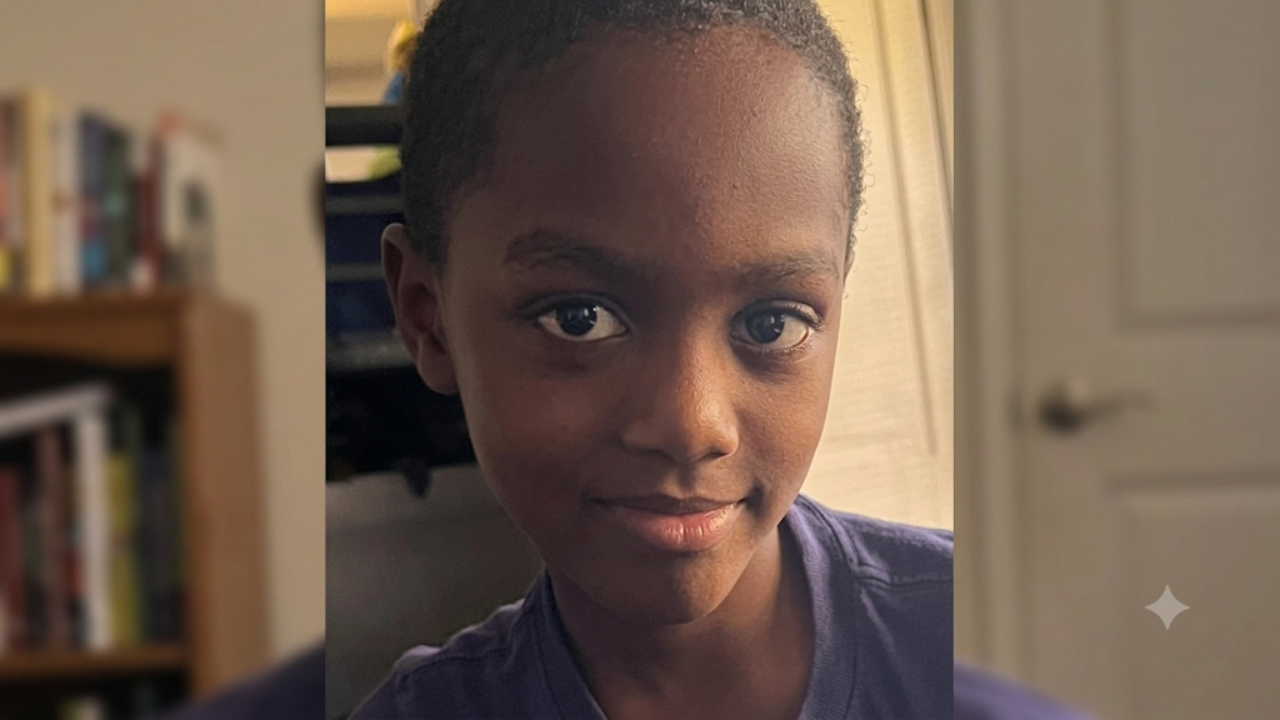

Human remains discovered in Washington’s Olympic National Park more than two decades ago have now been identified as Joseph Louis Serrao Jr., a man originally from Hawaii who was reported missing in 1998. The identification brings closure to a case that remained unresolved for nearly 30 years and highlights the growing role of forensic DNA technology in long-term missing persons investigations.
Discovery
In 2000, a researcher working near the Sol Duc River drainage in Olympic National Park found skeletal remains inside a sleeping bag. The location is a remote area known for dense forest and limited access.
The King County Medical Examiner’s Office examined the remains and determined they belonged to a man estimated to be between 30 and 50 years old. Investigators concluded the individual had likely died between six months and four years before the discovery. Despite forensic analysis at the time, the man’s identity could not be determined, and the case went cold.
Investigation
For years, the remains were cataloged as unidentified. Advances in forensic science eventually offered new opportunities to revisit the case. In 2024, investigators sent a DNA sample from the remains to Othram, a private laboratory specializing in forensic genetic genealogy.
By 2025, analysts were able to identify potential family connections across multiple states. Investigators then contacted relatives, including family members in Hawaii, to gather additional information and conduct DNA comparisons.
Family members told investigators that Joseph Louis Serrao Jr. was originally from Hawaii and had been in Washington before disappearing. They said they lost contact with him in 1998 and had no information about what happened to him afterward.
Identification
Based on DNA comparisons and interviews with relatives, the National Park Service officially identified the remains as those of Joseph Louis Serrao Jr. The agency confirmed the identification publicly this year.
Debra Flowers, deputy chief of the National Park Service Investigative Services Branch, said the case reflects years of continued effort by investigators.
“This case remained unresolved for nearly 30 years, but investigators never lost sight of the goal of identifying this individual and finding answers for his family,” Flowers said. “I hope this identification brings some measure of closure to those who have spent so many years wondering what happened to Joseph.”
Significance
The case underscores how modern DNA analysis can resolve long-standing mysteries, even decades after remains are found. It also reflects ongoing collaboration between public agencies and private forensic laboratories to identify missing persons nationwide.
While the circumstances surrounding Serrao’s death have not been detailed publicly, authorities say identifying the remains allows the case to move forward with accurate records and gives surviving family members long-awaited answers.
FAQs
Whose remains were identified in Washington?
They were identified as Joseph Louis Serrao Jr. from Hawaii.
When were the remains originally found?
The remains were discovered in Olympic National Park in 2000.
How was the identity confirmed?

Through DNA analysis and family interviews.
When did Serrao go missing?
His family lost contact with him in 1998.
Who helped identify the remains?
The National Park Service and Othram forensic lab.