SAN DIEGO, California — Following an incident involving a suspicious vehicle and concerns about a potential threat near a San Diego mosque, attention has turned to a little-known but important component of the nation’s security infrastructure: the regional fusion center. Authorities revealed that a fusion center was involved in helping coordinate information and assess potential risks before the situation unfolded, highlighting the role these intelligence-sharing hubs play in public safety and threat prevention.
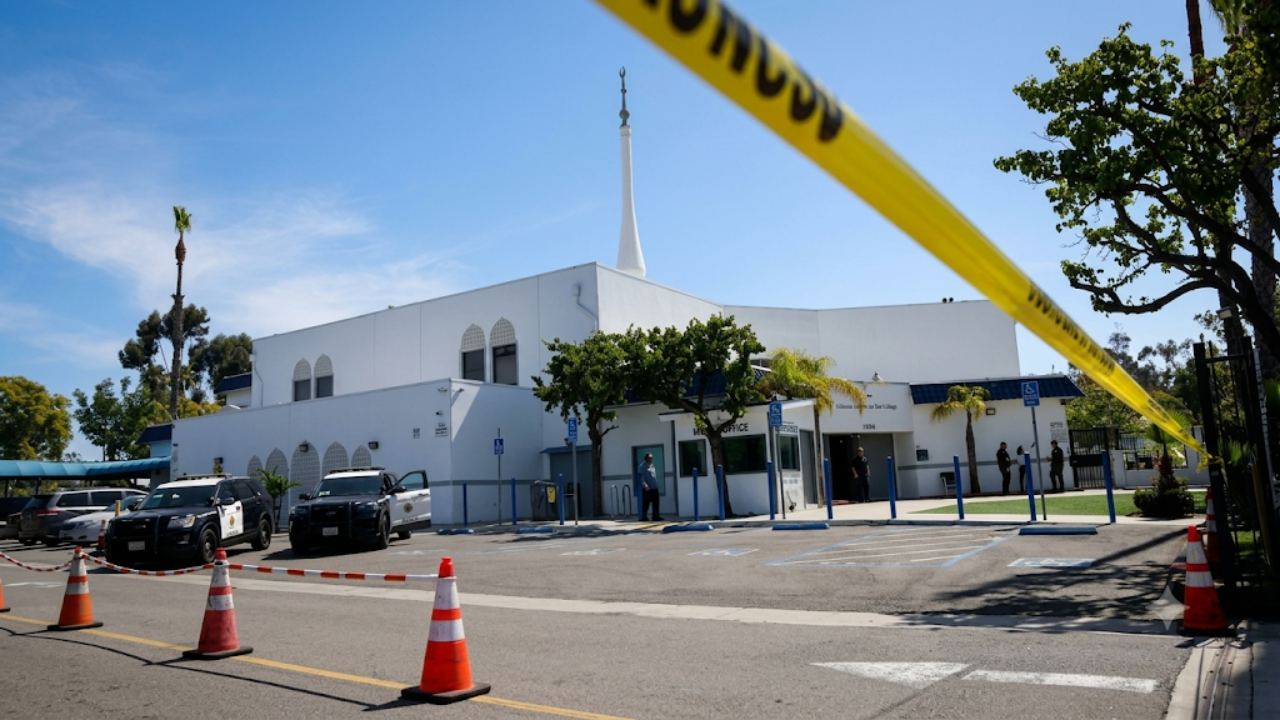
The incident near the Islamic Center in the Clairemont area prompted cooperation among local, state, and federal agencies. As details emerged, many residents began asking what a fusion center is, how it operates, and why it became involved in a case that generated significant concern within the local community.
Fusion Centers Serve as Intelligence-Sharing Hubs
Fusion centers were created after the September 11 terrorist attacks to improve communication and intelligence sharing among law enforcement, emergency management agencies, and homeland security organizations. Their primary mission is to collect, analyze, and distribute information that could help prevent threats ranging from terrorism and violent crime to cyberattacks and public safety emergencies.
Unlike traditional law enforcement agencies, fusion centers do not usually conduct arrests or criminal investigations themselves. Instead, they serve as information coordination centers that bring together data from multiple sources and help agencies identify potential threats.
Officials say these centers help bridge gaps between local police departments, state agencies, federal investigators, and private-sector partners.
Role in the San Diego Mosque Investigation
The fusion center became involved after concerns were raised regarding a vehicle found near the Islamic Center in San Diego. Authorities were alerted to circumstances that prompted heightened concern, including reports involving a suspicious canister and symbols associated with extremist ideology.
Law enforcement agencies sought assistance in evaluating potential risks and determining whether the situation posed an immediate threat to public safety. The fusion center helped coordinate information among participating agencies and supported efforts to assess available intelligence.
Investigators later determined that the canister did not pose a danger, but officials emphasized that early coordination was critical in ensuring an effective response.
How Fusion Centers Support Threat Assessment
One of the most important functions of a fusion center is threat assessment. Analysts review incoming information from various agencies and compare it with existing intelligence to identify patterns, potential risks, or emerging concerns.
In situations involving possible attacks on religious institutions, public venues, or critical infrastructure, rapid information sharing can help officials determine whether a threat is credible. Fusion centers often assist by gathering intelligence from multiple jurisdictions and providing real-time updates to decision-makers.
Authorities say this process allows agencies to respond more efficiently while reducing the likelihood of critical information being overlooked.
Cooperation Between Local, State, and Federal Agencies
The San Diego incident demonstrated the collaborative nature of modern public safety operations. Fusion centers often include representatives from local police departments, sheriff’s offices, state agencies, federal law enforcement organizations, and homeland security partners.
By bringing these stakeholders together, fusion centers can facilitate communication during rapidly evolving situations. Information that might otherwise remain isolated within a single agency becomes available to a broader network of public safety professionals.
Officials believe this cooperative approach strengthens preparedness and enhances the ability to respond to potential threats.
Concerns Surrounding Religious Institutions
Threats or perceived threats involving houses of worship often receive immediate attention from law enforcement agencies due to the potential impact on community safety. Religious institutions have historically been targeted by hate crimes, extremist violence, and acts of intimidation.
Authorities noted that any report involving suspicious activity near a mosque, synagogue, church, or other religious facility is taken seriously. The involvement of a fusion center can help ensure that all available intelligence is reviewed quickly and thoroughly.
Community leaders praised the swift response while emphasizing the importance of maintaining public trust and transparency.
Public Safety and Community Reassurance
Following the incident, officials worked to reassure members of the public that no dangerous device was ultimately found. Investigators determined that the canister discovered in the vehicle did not pose a threat, reducing concerns about a possible attack.
Nevertheless, authorities stressed that the response demonstrated the value of preparedness. Fusion centers are designed to support law enforcement efforts even when initial reports turn out to involve no actual danger.
Public safety officials stated that acting quickly is essential when information suggests a potential risk to community members.
Ongoing Debate About Fusion Centers
Although fusion centers play an important role in information sharing, they have occasionally faced scrutiny regarding privacy concerns and oversight. Civil liberties advocates have raised questions about how information is collected, stored, and shared among participating agencies.
Supporters argue that fusion centers provide critical coordination capabilities that help prevent violence and improve emergency response. Officials maintain that centers operate under legal guidelines designed to protect civil rights while supporting public safety objectives.
The San Diego case has renewed discussion about both the benefits and responsibilities associated with intelligence-sharing networks.
Key Details of the Incident
| Category | Details |
|---|---|
| Incident Location | Islamic Center, Clairemont area, San Diego, California |
| Concern Reported | Suspicious vehicle and canister |
| Additional Factor | Vehicle reportedly displayed extremist imagery |
| Agency Support | Regional fusion center |
| Purpose of Fusion Center | Intelligence sharing and threat assessment |
| Agencies Involved | Local, state, and federal partners |
| Threat Outcome | Canister deemed not dangerous |
| Public Safety Response | Coordinated multi-agency investigation |
| Community Impact | Heightened concern near mosque |
| Investigation Status | Reviewed and assessed by authorities |
The involvement of a fusion center in the response to concerns near a San Diego mosque highlights the increasingly interconnected nature of modern public safety operations. While the suspicious canister ultimately proved not to be dangerous, authorities credit early coordination and intelligence sharing with helping ensure a thorough and efficient investigation.
Fusion centers continue to play a significant role in helping agencies identify, evaluate, and respond to potential threats. As communities face evolving security challenges, these information-sharing networks remain an important part of the broader effort to protect public safety while maintaining transparency and accountability.
FAQ’s:
What is a fusion center?
A fusion center is an intelligence-sharing hub that helps local, state, and federal agencies coordinate information related to public safety threats.
Why was a fusion center involved in the San Diego mosque case?
Authorities sought assistance in evaluating potential risks and sharing information among multiple agencies responding to the incident.
Was the canister found near the mosque dangerous?

Investigators ultimately determined that the canister did not pose a danger.
Do fusion centers conduct arrests?
No. Fusion centers primarily focus on information analysis and intelligence sharing rather than direct law enforcement operations.
Where did the incident occur?
The investigation involved activity near the Islamic Center in the Clairemont area of San Diego, California.