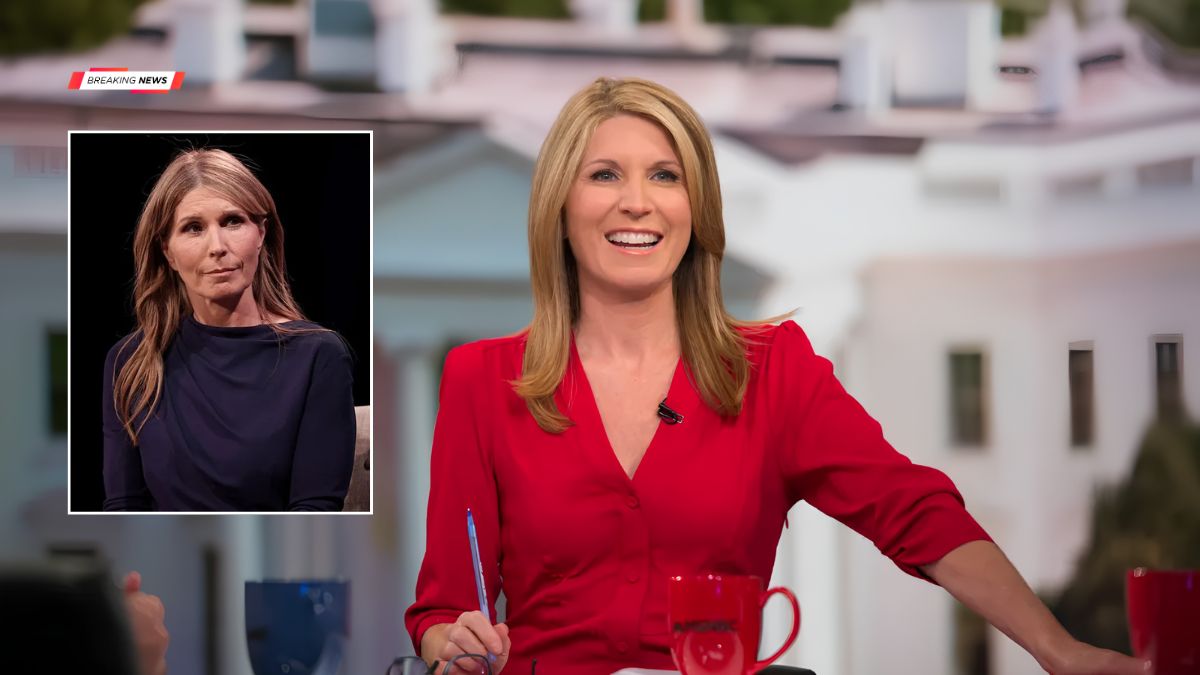
MSNBC host Nicolle Wallace has reflected on one of her most notable editorial decisions during President Donald Trump’s first administration, explaining why she chose to stop airing White House press briefings led by then-Press Secretary Sarah Huckabee Sanders.
Speaking on a recent podcast, Wallace said she believed the briefings had become difficult to watch because of what she viewed as repeated false statements. Her comments have also renewed discussion about the balance between editorial judgment and media transparency.
Comments
Wallace shared her views during the July 13 episode of her podcast, “The Best People,” while speaking with former CNN anchor Jim Acosta.
During the conversation, the two discussed Trump’s relationship with the media, including his repeated criticism of news organizations and journalists.
Wallace explained that she eventually decided to stop carrying Sarah Huckabee Sanders’ White House press briefings live because she believed the information being presented was misleading.
She said watching the briefings “actually hurt” because of what she viewed as false statements from the White House podium.
Background
Before joining MSNBC, Wallace served as White House communications director during President George W. Bush’s administration.
She noted that every administration naturally tries to present its policies and leadership in the most favorable light. However, she said her concern centered on what she considered false claims, particularly regarding immigration issues.
Sarah Huckabee Sanders served as White House press secretary for nearly two years during Trump’s first term. She is currently the governor of Arkansas.
Decision
According to Wallace, her decision was based on editorial judgment rather than an attempt to prevent viewers from accessing information.
Instead of airing the briefings live, she chose not to provide uninterrupted coverage because she believed doing so would amplify statements she considered inaccurate.
Her remarks have prompted renewed discussion about how news organizations decide what to broadcast live and what should instead be covered with additional reporting and context.
Perspective
Public relations expert Amore Philip commented on the broader issue, drawing a distinction between editorial judgment and censorship.
According to Philip, news organizations make editorial decisions every day about which stories to prioritize and how they should be presented.
Philip said that choosing not to air a live event in full is generally considered an editorial decision rather than censorship, provided that the reasoning behind the decision is communicated openly to viewers.
Transparency
Philip added that transparency plays an important role in maintaining audience trust.
While acknowledging that journalists and editors may have personal reactions to news events, Philip said viewers benefit when media organizations are open about the reasoning behind their editorial choices.
According to Philip, credibility is strengthened when audiences understand why certain programming decisions are made.
Media
Philip also noted that the growth of social media has changed how information reaches the public.
Even if a television network chooses not to air an event live, important moments are often shared almost immediately through online clips and social media platforms.
As a result, Philip suggested that declining to broadcast a live briefing is now less about limiting access to information and more about deciding whether to provide a direct platform for a particular message.
Debate
Wallace’s comments have once again highlighted the ongoing discussion surrounding live political coverage, editorial responsibility, and media neutrality.
Supporters of editorial discretion argue that news organizations have a responsibility to provide context and avoid broadcasting information they believe to be inaccurate without verification.
Others maintain that live government briefings should remain widely available so viewers can draw their own conclusions.
| Key Topic | Details |
|---|---|
| Person | Nicolle Wallace |
| Program | The Best People podcast |
| Guest | Jim Acosta |
| Topic | Trump White House briefings |
| Former Press Secretary | Sarah Huckabee Sanders |
| Wallace’s Position | Stopped airing live briefings |
| Expert Quoted | Amore Philip |
| Main Issue | Editorial judgment and transparency |
Wallace’s remarks provide insight into how one television host approached live political coverage during Trump’s first presidency. The discussion also reflects broader questions facing modern news organizations as they balance editorial responsibility, audience expectations, and the rapid spread of information across digital platforms.
FAQs
Why did Nicolle Wallace stop airing the briefings?
She said she believed they contained false statements.
Where did Wallace make these comments?
On her podcast, The Best People.
Who was the White House press secretary?

Sarah Huckabee Sanders served in the role.
Who discussed the issue with Wallace?
Former CNN anchor Jim Acosta.
What broader issue does this raise?
Editorial judgment and media transparency.