
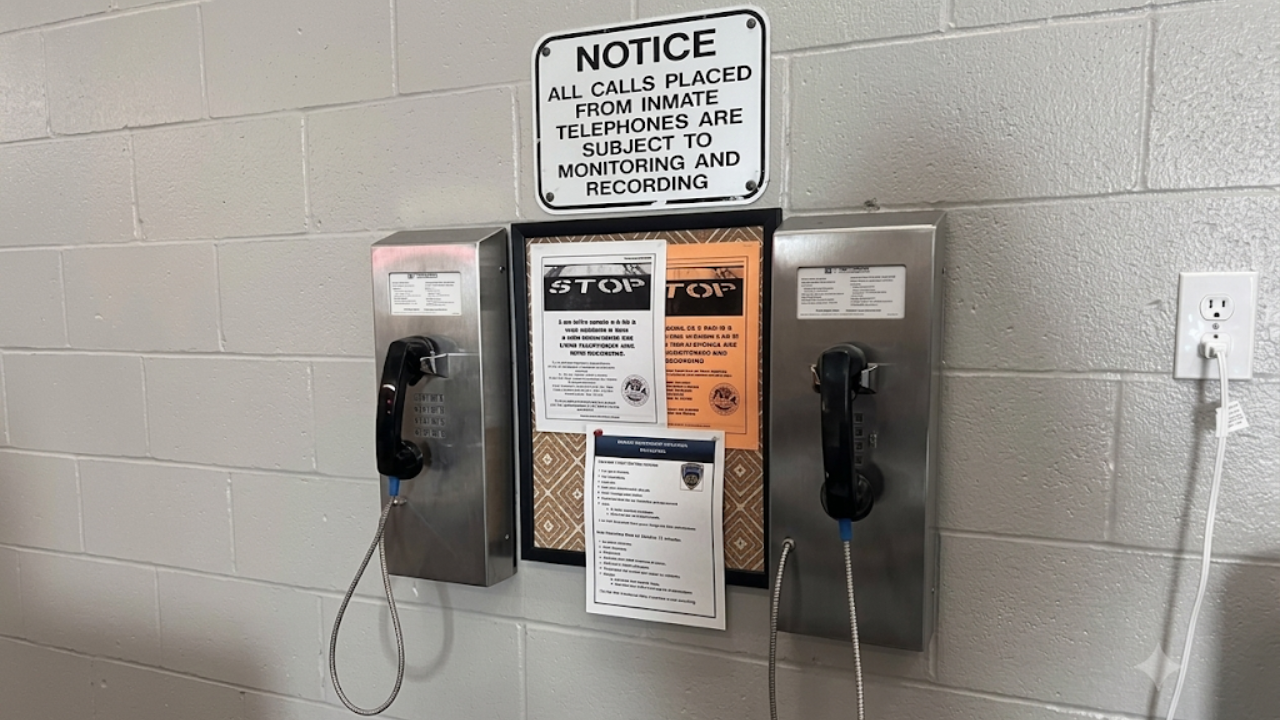
Carson City, Nevada, USA — Nevada’s policy of charging incarcerated individuals for telephone calls has become the focus of renewed debate as criminal justice advocates, lawmakers, and families argue that maintaining contact with loved ones should not come at a significant financial cost. Supporters of reform say high communication fees place unnecessary burdens on incarcerated people and their families while making successful rehabilitation and reentry into society more difficult.
The discussion comes as several states across the United States have moved to eliminate or reduce prison phone charges, citing research that frequent family communication contributes to lower recidivism rates, improved inmate behavior, and stronger community ties after release. Advocates believe Nevada should consider similar reforms as part of broader criminal justice modernization efforts.
State officials, correctional administrators, and policy experts continue to examine the financial, operational, and public safety implications of changing the current system.
Current Phone Call Policy and Why It Is Being Questioned
Under Nevada’s correctional system, incarcerated individuals generally pay fees to make telephone calls to approved contacts outside prison facilities. The charges help cover telecommunications services provided within correctional institutions, including secure monitoring systems designed to prevent criminal activity and maintain institutional safety.
Critics argue that even relatively modest call charges accumulate quickly, especially for families already facing financial hardship. Because many incarcerated people earn little or no income while serving their sentences, the costs often fall on relatives attempting to maintain regular communication.
Advocates say these expenses disproportionately affect low-income households and may discourage frequent contact between inmates and their children, spouses, parents, and other support networks. They contend that maintaining family relationships is an essential component of rehabilitation rather than a privilege reserved for those who can afford it.
The ongoing policy debate centers on balancing correctional operational costs with broader public policy goals related to rehabilitation and public safety.
Advocates Point to Benefits of Free Family Communication
Organizations supporting prison reform argue that regular communication with family members produces measurable benefits for both incarcerated individuals and society. Studies have found that inmates who maintain consistent contact with loved ones are often better prepared for reintegration following release and may be less likely to reoffend.
Family conversations can provide emotional support, encourage positive behavior while incarcerated, and help individuals maintain relationships with children throughout their sentences. Mental health professionals also note that reducing feelings of isolation can contribute to improved emotional well-being inside correctional facilities.
Several states have already introduced free or significantly reduced prison phone services, particularly after recognizing communication as an important factor in rehabilitation. Reform advocates believe Nevada could achieve similar long-term public safety benefits by removing financial barriers to family contact.
Supporters emphasize that eliminating call charges would not eliminate security monitoring, as correctional facilities would continue supervising communications under existing regulations.
Correctional Officials Consider Financial and Operational Challenges
Correctional administrators acknowledge the importance of inmate communication but note that prison telephone systems require substantial infrastructure, maintenance, security monitoring, and contractual management. Operating secure communications networks involves specialized technology capable of recording calls, preventing unauthorized communications, and supporting investigative needs.
If Nevada eliminated inmate phone charges, lawmakers would likely need to identify alternative funding sources through the state budget or other appropriations. Policymakers must also evaluate existing telecommunications contracts and determine how changes could affect correctional operations.
Some officials argue that any reform should carefully balance public safety, fiscal responsibility, and rehabilitation objectives. Others suggest gradually reducing fees before moving toward completely free calls if funding becomes available.
The discussion continues as legislators and stakeholders review potential policy options.
Reform Debate Reflects National Criminal Justice Trends
Nevada’s conversation mirrors broader national efforts to modernize correctional policies by emphasizing rehabilitation alongside incarceration. Over the past several years, numerous states and the federal prison system have reevaluated inmate communication policies in response to changing research and public opinion.
Supporters of reform argue that improving family connections ultimately benefits communities by reducing repeat offending and strengthening post-release support systems. They also point to evidence suggesting that communication encourages positive institutional behavior, potentially improving safety within correctional facilities.
Opponents or cautious observers stress that policy changes must account for financial sustainability and operational requirements while preserving effective security measures.
As lawmakers continue evaluating the issue, the outcome could influence future discussions surrounding correctional reform in Nevada and beyond.
Policy Overview
| Category | Details |
|---|---|
| Topic | Inmate telephone charges |
| Location | Carson City, Nevada, USA |
| State | Nevada |
| Current Policy | Inmates generally pay for outgoing telephone calls |
| Main Debate | Whether prison phone calls should become free |
| Supporters | Criminal justice reform advocates and affected families |
| Concerns | Cost burden, family communication, rehabilitation |
| Government Considerations | Funding, security, correctional operations |
| Potential Benefits | Improved rehabilitation and reduced recidivism |
| Current Status | Policy discussion continues |
Nevada’s inmate telephone policy has become part of a broader conversation about the role communication plays in rehabilitation and successful reentry into society. While correctional phone charges help support secure communications infrastructure, critics argue the financial burden falls heavily on incarcerated individuals and their families, potentially undermining rehabilitation efforts.
As lawmakers, correctional officials, and advocacy organizations continue evaluating possible reforms, the debate reflects a growing national emphasis on balancing institutional security with policies that encourage stronger family connections. Whether Nevada ultimately modifies its current system will depend on legislative priorities, available funding, and continued assessment of the long-term public safety benefits associated with maintaining family communication during incarceration.
FAQ’s:
Where is this policy being debated?
The discussion concerns correctional facilities across Nevada, with policy decisions centered in Carson City, Nevada, USA.
What is the current policy?
Incarcerated individuals generally pay fees to make approved telephone calls from Nevada correctional facilities.
Why are advocates seeking changes?

They argue that phone charges create financial hardship for families and reduce communication that supports rehabilitation and successful reentry.
What concerns do correctional officials have?
Officials cite the costs of maintaining secure prison telephone systems, monitoring calls, and funding correctional communications infrastructure.
Has Nevada changed the policy?
No. The issue remains under discussion, and no statewide policy eliminating inmate phone charges has been adopted.