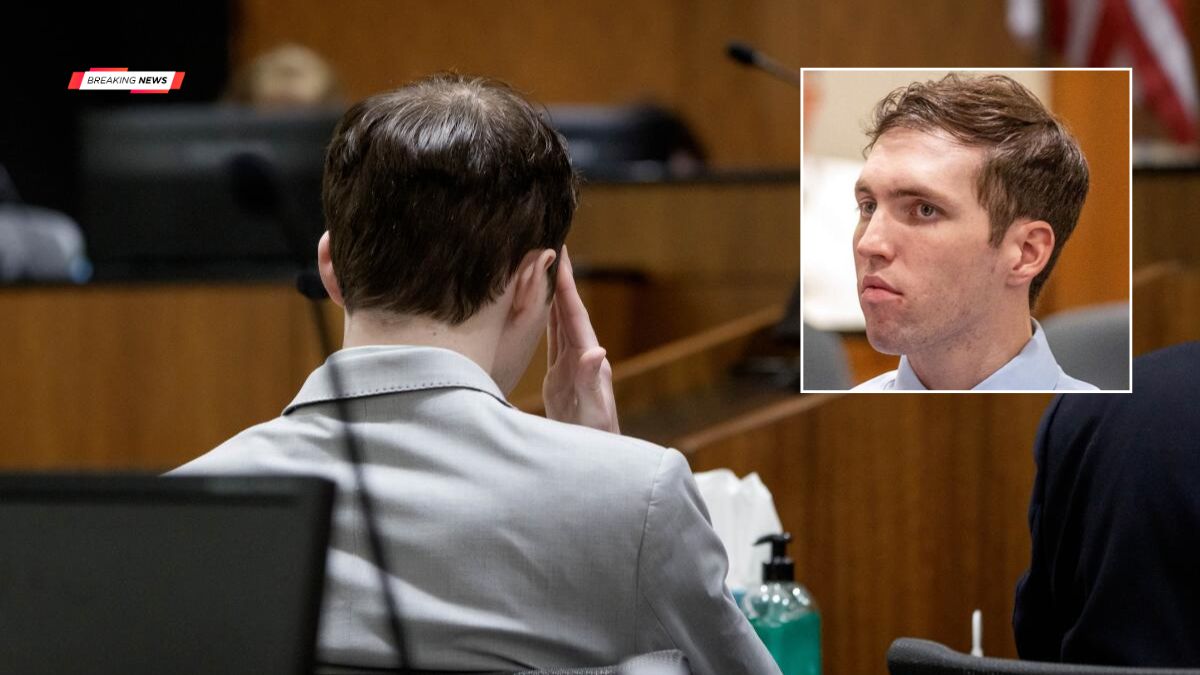
LOS ANGELES, California — A Los Angeles court has ruled that a mother who killed her two young children was legally insane at the time of the tragic incident, concluding a closely watched legal battle that centered on mental illness and criminal responsibility. The case drew significant public attention because of the heartbreaking nature of the deaths and the complex questions surrounding the defendant’s mental state. After reviewing extensive psychiatric evaluations, witness testimony, medical records, and legal arguments, the court determined that the woman met California’s legal standard for insanity when the killings occurred. The ruling means that while she was responsible for the deaths, she was unable to understand the nature or wrongfulness of her actions due to severe mental illness.
Court Reviews Years of Evidence and Mental Health History
The legal proceedings involved an extensive examination of the mother’s mental health before, during, and after the deaths of her children. Prosecutors presented evidence regarding the killings and the circumstances surrounding the incident, while defense attorneys argued that severe psychiatric disorders had profoundly affected the woman’s perception of reality. Mental health experts evaluated medical records, treatment histories, hospitalizations, family accounts, and behavioral evidence. Testimony reportedly focused on whether the defendant was experiencing delusions, psychosis, or other serious mental health symptoms that impaired her judgment. The court ultimately concluded that the evidence supported a legal insanity finding under California law, a determination that requires proof that a defendant could not understand the nature of their actions or distinguish right from wrong.
Tragic Deaths Shocked Los Angeles Community
The deaths of the two young children deeply affected the Los Angeles community and generated widespread concern among residents, child advocates, and mental health professionals. Authorities launched a thorough investigation immediately after the incident, gathering evidence from the scene and interviewing individuals familiar with the family. As details emerged, attention increasingly turned toward the mother’s mental health condition and whether warning signs had existed before the tragedy. Family tragedies involving severe mental illness often spark public debate about access to treatment, crisis intervention services, and support systems for vulnerable individuals. Throughout the proceedings, the focus remained on understanding how such a devastating event could occur and whether intervention opportunities may have been missed.
Legal Consequences of an Insanity Finding
Although the court found the woman legally insane, the ruling does not result in immediate freedom or dismissal of public safety concerns. Individuals found legally insane are generally committed to secure state mental health facilities rather than traditional prisons. There, they undergo treatment, psychiatric monitoring, and periodic evaluations to determine whether they continue to pose a danger to themselves or others. Release is not automatic and often requires court approval, expert testimony, and evidence that the individual no longer presents a significant threat. In some cases, confinement in a mental health institution may last many years. The court’s decision reflects the legal distinction between criminal guilt and mental responsibility, recognizing that severe mental illness can affect a person’s ability to understand their actions while still acknowledging the devastating consequences of those actions.
Key Facts About the Case
| Category | Details |
|---|---|
| Case Type | Child homicide case |
| Location | Los Angeles, California |
| Victims | Two young children |
| Defendant | Children’s mother |
| Court Finding | Legally insane at time of incident |
| Legal Standard | Inability to understand nature or wrongfulness of actions |
| Evidence Reviewed | Psychiatric evaluations, testimony, medical records |
| Investigation | Conducted by local law enforcement |
| Likely Placement | State mental health treatment facility |
| Current Status | Court ruling issued |
The Los Angeles court’s decision represents a significant development in one of California’s most tragic family cases. By finding that the mother was legally insane at the time she killed her two young children, the court acknowledged the profound role severe mental illness played in the incident. The ruling does not diminish the loss suffered by the victims and their loved ones, but it does shape how the legal system responds moving forward. Instead of a conventional prison sentence, the defendant is expected to remain under psychiatric supervision and treatment within a secure state facility. The case has renewed discussions about mental health care, crisis intervention, family support resources, and the challenges courts face when determining criminal responsibility in cases involving severe psychiatric disorders. As the legal proceedings enter their next phase, the tragedy remains a powerful reminder of the importance of mental health awareness and early intervention.
FAQ’s:
Where did the case take place?
The case was heard in Los Angeles, California.
What did the court decide?
The court determined that the mother was legally insane at the time she killed her two young children.
Does a legal insanity finding mean she was found innocent?

No. The court found that she committed the acts but was legally insane and therefore lacked criminal responsibility under California law.
What happens after an insanity ruling?
Defendants found legally insane are typically committed to secure mental health facilities for treatment and evaluation.
Why is the case significant?
The case highlights the complex relationship between severe mental illness, criminal responsibility, and public safety within the justice system.