
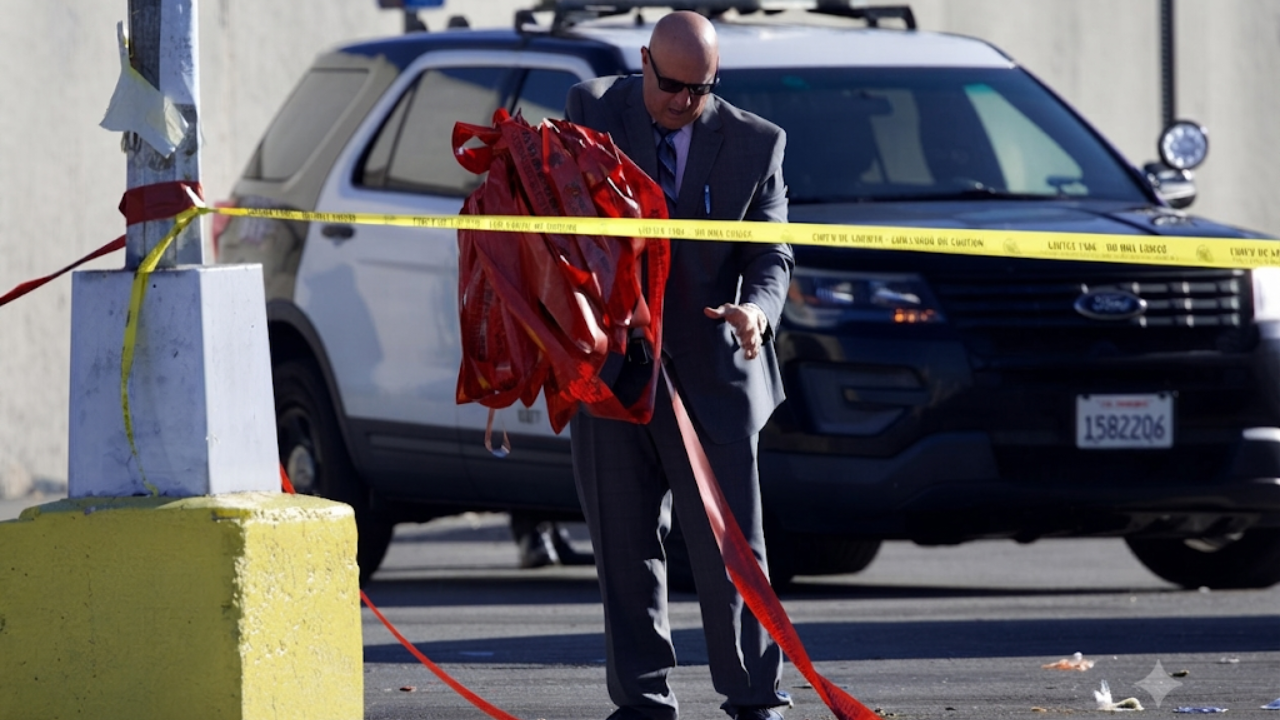
Crime has long remained one of the most influential issues in California politics, with changes in public safety often shaping elections, government policies, and public opinion. While crime statistics may rise or decline over time, political debate surrounding crime frequently follows its own path, influenced by high-profile incidents, media attention, economic conditions, and public perception. As California continues balancing public safety with criminal justice reform, the relationship between crime and politics remains a defining feature of statewide policy discussions.
Recent years have seen renewed debate over violent crime, property crime, retail theft, homelessness, drug-related offenses, and law enforcement funding. Supporters of stricter enforcement argue that stronger policing and sentencing are necessary to improve public safety, while advocates of criminal justice reform emphasize rehabilitation, prevention, and reducing incarceration. The discussion illustrates how crime statistics alone rarely determine political priorities.
Crime Trends Have Shifted Over Time
California’s crime rates have experienced significant fluctuations over the past several decades. During the late twentieth century, violent crime and homicide rates reached historically high levels before declining substantially in the following years. Improvements in policing strategies, demographic changes, technological advances, and community-based prevention efforts all contributed to long-term reductions in many categories of crime.
Despite those historical declines, certain offenses—including organized retail theft, vehicle theft, drug-related crime, and some violent crimes—have periodically increased in specific communities. Public attention often focuses on these changes, especially when high-profile incidents receive extensive media coverage. As a result, many residents judge public safety not only through statewide statistics but also through local experiences and widely reported criminal cases.
Crime patterns also vary considerably across California’s cities and counties. Urban centers may face different public safety challenges than suburban or rural communities, making statewide discussions more complex than a single set of crime numbers might suggest.
Experts caution that year-to-year fluctuations should be evaluated over longer periods to better understand lasting trends rather than temporary changes.
Politics Often Shapes the Crime Conversation
Crime has consistently remained a major issue during California election campaigns. Candidates for governor, attorney general, district attorney, mayor, and local offices frequently campaign on promises related to public safety, police funding, sentencing policies, and criminal justice reform. Political messaging often becomes more prominent following highly publicized crimes that attract widespread public attention.
Supporters of tougher criminal penalties argue that stronger enforcement deters crime and improves community safety. Others contend that addressing mental health, substance abuse, housing instability, education, and economic opportunity provides more sustainable long-term reductions in crime. These competing perspectives have shaped legislative debates across California for years.
Ballot measures involving sentencing reforms, theft thresholds, parole policies, and law enforcement authority have further demonstrated how voters directly influence criminal justice policy. Public opinion can shift rapidly depending on current crime trends, economic conditions, and highly visible criminal incidents.
As political priorities change, lawmakers often revisit earlier reforms while proposing new approaches aimed at balancing accountability with rehabilitation.
Public Perception Versus Official Crime Statistics
One of the most significant aspects of California’s crime debate is the difference that sometimes exists between official crime data and public perception. Even when statewide crime rates decline, many residents may continue expressing concern if they regularly encounter reports of retail theft, violent incidents, or homelessness in their communities.
Media coverage, social media platforms, surveillance videos, and viral online content have expanded public exposure to criminal incidents. Although these reports increase awareness, they may not always reflect broader statewide crime trends. High-profile crimes can significantly influence public opinion even when statistical data shows overall improvement.
Researchers emphasize that understanding crime requires examining multiple sources, including police reports, victimization surveys, court records, and long-term statistical analyses. Considering several measures provides a more complete picture than relying solely on individual incidents or political messaging.
Public confidence in safety is influenced by both measurable crime rates and people’s everyday experiences within their own neighborhoods.
Finding Balance Between Public Safety and Reform
California policymakers continue searching for approaches that reduce crime while protecting constitutional rights and promoting fairness within the criminal justice system. Many recent initiatives combine targeted law enforcement efforts against violent offenders with prevention programs designed to address underlying social factors associated with crime.
Law enforcement agencies increasingly rely on technology, data analysis, community partnerships, and specialized investigative units to address organized criminal activity. At the same time, state and local governments continue investing in youth intervention programs, behavioral health services, addiction treatment, and reentry programs aimed at reducing repeat offending.
Public safety experts generally agree that no single strategy completely addresses every category of crime. Instead, effective policies often involve cooperation among police departments, prosecutors, courts, schools, healthcare providers, community organizations, and local governments.
As California continues adapting to changing crime patterns, political leaders face ongoing pressure to develop policies that improve public safety while maintaining public trust and protecting individual rights.
| Key Information | Details |
|---|---|
| Topic | Crime trends and public policy |
| Location | California, United States |
| Main Issues | Violent crime, property crime, retail theft, criminal justice reform |
| Political Focus | Public safety, sentencing, policing, rehabilitation |
| Influencing Factors | Crime statistics, media coverage, public perception |
| Stakeholders | Law enforcement, lawmakers, communities, courts |
| Current Discussion | Balancing enforcement with reform |
| Overall Theme | Relationship between crime trends and political decision-making |
California’s ongoing discussion about crime extends far beyond crime statistics alone. Public perception, political priorities, media coverage, and local experiences all contribute to shaping how residents and policymakers respond to public safety challenges. While crime rates have risen and fallen over time, debates about policing, sentencing, prevention, and rehabilitation continue evolving alongside them.
As lawmakers consider future criminal justice policies, balancing effective law enforcement with evidence-based prevention strategies remains a central challenge. Understanding both the statistical realities of crime and the political forces surrounding it will continue to play an important role in shaping California’s public safety agenda for years to come.
Frequently Asked Questions:
Why is crime such an important political issue in California?
Crime influences elections, public policy, law enforcement funding, sentencing laws, and public confidence in community safety.
Have California’s crime rates always increased?
No. Crime rates have experienced periods of both significant decline and temporary increases depending on the offense category, location, and time period.
Why do public opinions sometimes differ from official crime statistics?

Public perception is influenced by personal experiences, media coverage, social media, and highly publicized incidents in addition to official crime data.
What approaches are being discussed to reduce crime?
Current discussions include stronger enforcement against violent offenders, criminal justice reform, community policing, prevention programs, mental health services, addiction treatment, and youth intervention initiatives.
Does one policy solve every crime problem?
No. Public safety experts generally agree that reducing crime requires a combination of law enforcement, prevention, rehabilitation, community partnerships, and evidence-based public policy rather than a single solution.