
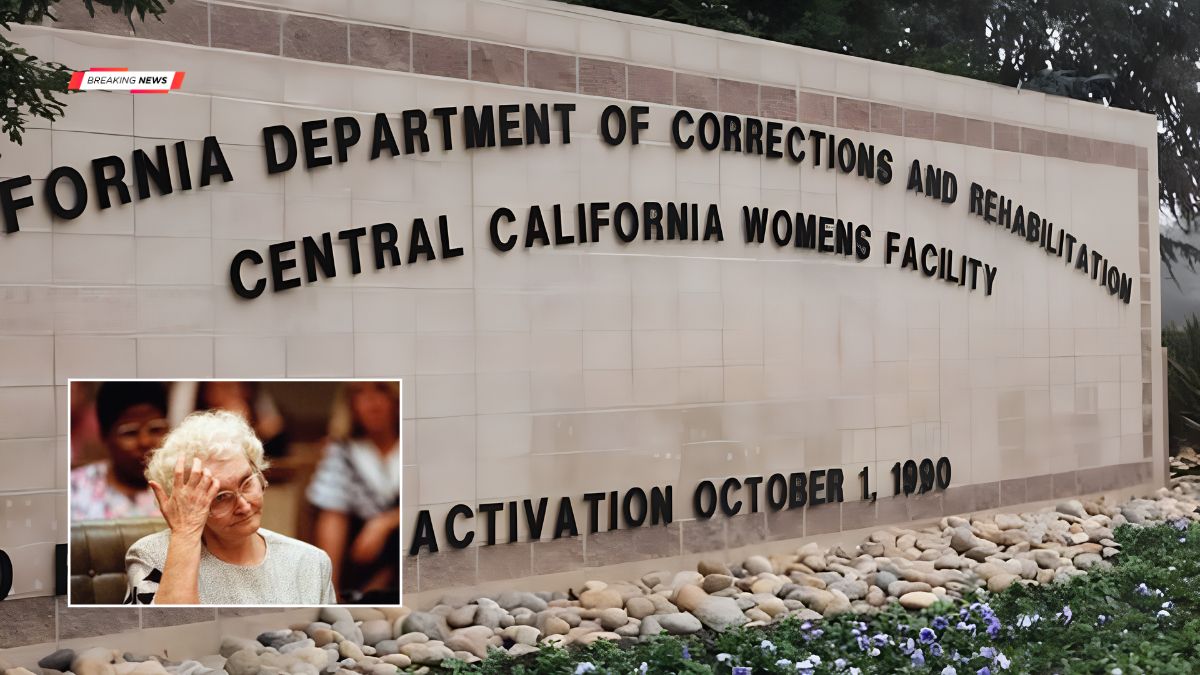
After spending decades behind bars, two women in their 80s have finally returned home to Los Angeles, marking an emotional reunion with their families and community. Their release has also renewed discussion about the continued incarceration of elderly prisoners who many researchers and advocates say no longer pose a significant threat to public safety. The case highlights broader questions about prison costs, public safety, and criminal justice policy in California.
Homecoming
Two women in their 80s have returned to Los Angeles after serving decades in California prisons. Their release was marked by a welcome organized by A New Way of Life (ANWOL), a nonprofit organization that provides housing and support services for formerly incarcerated individuals.
According to a press release issued by ANWOL, the women moved into one of the organization’s reentry homes, where family members, friends, staff, and formerly incarcerated community members gathered for a surprise celebration. Their identities have not been publicly disclosed so the surprise could be preserved.
Timing
The women’s return came shortly after the Fourth of July holiday, a timing that ANWOL says draws attention to the continued incarceration of elderly individuals long after many are considered unlikely to pose a meaningful risk to public safety.
Susan Burton, founder of A New Way of Life, said that keeping women in their 80s in prison does not improve public safety. She also called for lawmakers to consider reforms related to long-term incarceration and the state’s broader criminal justice system.
Population
California has one of the largest aging prison populations in the United States. According to figures cited by ANWOL from the California Legislative Analyst’s Office, about one in every five incarcerated people in the state is now 55 years of age or older.
The average annual cost of incarcerating one person is approximately $127,800, with expenses increasing as individuals require more medical care later in life.
| Category | Statistics |
|---|---|
| Prisoners aged 55 or older | About 20% of prison population |
| Average annual incarceration cost | Approximately $127,800 |
| Healthcare cost (60s) | Nearly $87,000 annually |
| Healthcare cost (70s) | Nearly $140,000 annually |
| Prisoners aged 60+ | Around 14% of population |
| Share of prison healthcare spending | About 27% |
Costs
Healthcare spending accounts for a significant share of prison expenses for older adults. Data from the California Department of Corrections and Rehabilitation show that annual healthcare costs reach nearly $87,000 for incarcerated people in their 60s and close to $140,000 for those in their 70s.
Although people aged 60 and older represent about 14% of California’s prison population, they account for an estimated 27% of the prison system’s healthcare spending. One analysis cited in the release estimates that incarcerating California’s approximately 740 elderly women costs up to $300 million each year.
Research
Supporters of criminal justice reform point to research showing that older adults released from prison generally have low rates of reoffending.
According to ANWOL Deputy Director Pamela Marshall, fewer than 5% of people aged 60 and older return to prison within three years of their release. She also noted that many older adults face challenges after leaving prison, including limited employment opportunities, housing needs, and access to healthcare.
A study by the U.S. Sentencing Commission found that individuals released at age 65 or older had a rearrest rate of 13.4% over an eight-year period. By comparison, those released before the age of 21 had a rearrest rate of 67.6%.
Justice in Aging also reports that only about 4% of people over age 65 return to prison within three years, the lowest recidivism rate among the age groups it tracks.
Findings
Criminologists describe the decline in criminal behavior with age as the “age-crime curve.” Research published in the journal Laws suggests that criminal activity generally decreases as people grow older due to changes in impulsivity, stronger social connections, and reduced physical capacity.
These findings have contributed to policy discussions in several states considering geriatric parole or “second-look” sentencing laws that allow lengthy prison sentences to be reviewed after many years.
Comparison
The discussion also includes comparisons with correctional systems in other countries. According to the release, nations such as Norway and Germany generally impose shorter prison terms, even for serious crimes including homicide. In many cases, prison terms rarely extend beyond 20 years, with release expected unless authorities determine that a person continues to present a genuine danger to public safety.
The return of these two women to Los Angeles has brought renewed attention to the balance between public safety, rehabilitation, sentencing policy, and the financial impact of maintaining an aging prison population. As more states consider reforms for elderly incarcerated individuals, their story reflects the broader national conversation about long-term imprisonment, reentry support, and how justice systems respond to aging populations.
FAQs
Who organized the homecoming?
A New Way of Life organized the event.
Why is this case receiving attention?
It highlights debate over elderly incarceration.
How much does incarceration cost annually?

About $127,800 per incarcerated person.
What is the age-crime curve?
Crime rates generally decline with age.
Which countries were mentioned?
Norway and Germany.