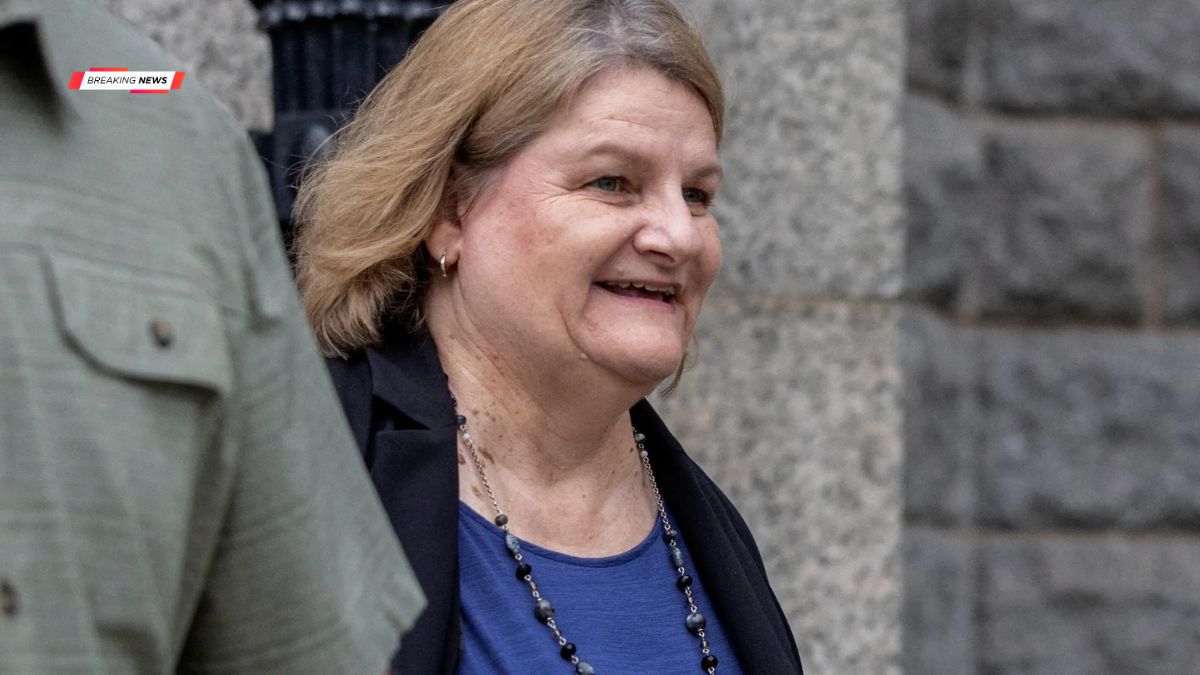
A federal judge has ruled that the U.S. Department of Justice cannot obtain the names and personal contact information of every employee and volunteer who worked during the 2020 election in Georgia’s Fulton County.
The decision, issued Tuesday by U.S. District Judge William Ray, grants Fulton County’s request to quash a grand jury subpoena that sought extensive records related to election workers. The judge concluded that the subpoena was overly broad and that the government’s need for the requested information did not justify the burden of disclosure.
Subpoena
The Justice Department served the grand jury subpoena in April, requesting the names and personal contact information of county employees and volunteer poll workers involved in the 2020 election.
Fulton County challenged the subpoena in federal court, arguing that it was excessively broad and lacked a reasonable investigative purpose. County attorneys also contended that complying with the request could expose election workers to unnecessary scrutiny and discourage future participation.
Court’s Decision
Judge Ray described the scope of the subpoena as “staggering” and ruled that it was unreasonable.
In his opinion, Ray wrote that the government’s need for the requested information was limited, while the burden of releasing the records was significant. He concluded that the subpoena should be quashed.
The judge also emphasized that although federal grand juries have broad investigative authority, that authority is not unlimited and must be tied to a legitimate law enforcement purpose.
DOJ’s Position
The Justice Department argued that the subpoena represented the next step in an ongoing investigation and sought records identifying individuals who might have relevant information.
During court proceedings, government attorneys maintained that questions about the statute of limitations were not controlling at the investigative stage because prosecutors were still determining what, if any, charges might be appropriate.
The department has not immediately commented on the ruling.
County’s Response
Fulton County Board of Commissioners Chairman Robb Pitts welcomed the decision.
In a statement, Pitts said the county would continue working to demonstrate that its election process was conducted fairly and that allegations against it were unfounded.
County attorneys also argued that releasing the requested information could discourage citizens from serving as election workers in future elections.
Background
Fulton County has remained at the center of scrutiny surrounding the 2020 presidential election. President Donald Trump has repeatedly alleged, without evidence accepted by courts, that widespread voter fraud in the county affected the election outcome in Georgia.
Earlier this year, the FBI executed a search warrant at the county’s election warehouse, seizing ballots and election-related documents as part of an ongoing federal investigation. A separate federal judge later declined the county’s request to order the return of those materials.
Judge Ray noted that while investigators remain free to pursue legitimate criminal investigations, the grand jury’s authority cannot be used to obtain private information without a valid law enforcement justification.
He also agreed that requiring disclosure of election workers’ personal information could make it more difficult for Fulton County to recruit workers for future elections.
Case Summary
| Detail | Information |
|---|---|
| Court | U.S. District Court |
| Judge | William Ray |
| Request | Names and contact information of 2020 election workers |
| Requesting Agency | U.S. Department of Justice |
| Location | Fulton County, Georgia |
| Decision | Subpoena quashed |
| Reason | Overly broad and unreasonable |
| Investigation | Ongoing |
The ruling limits the Justice Department’s ability to obtain the requested election worker records through the challenged subpoena. While the broader federal investigation may continue, the court found that this specific request exceeded the appropriate use of grand jury powers and did not meet the legal standard required for disclosure.
FAQs
What did the judge decide?
The judge blocked the DOJ’s subpoena for election worker information.
What information did the DOJ seek?
Names and personal contact information of 2020 election workers.
Which county is involved?

Why was the subpoena rejected?
The judge found it overly broad and unreasonable.
Can the federal investigation continue?
Yes. The ruling applies only to this subpoena.