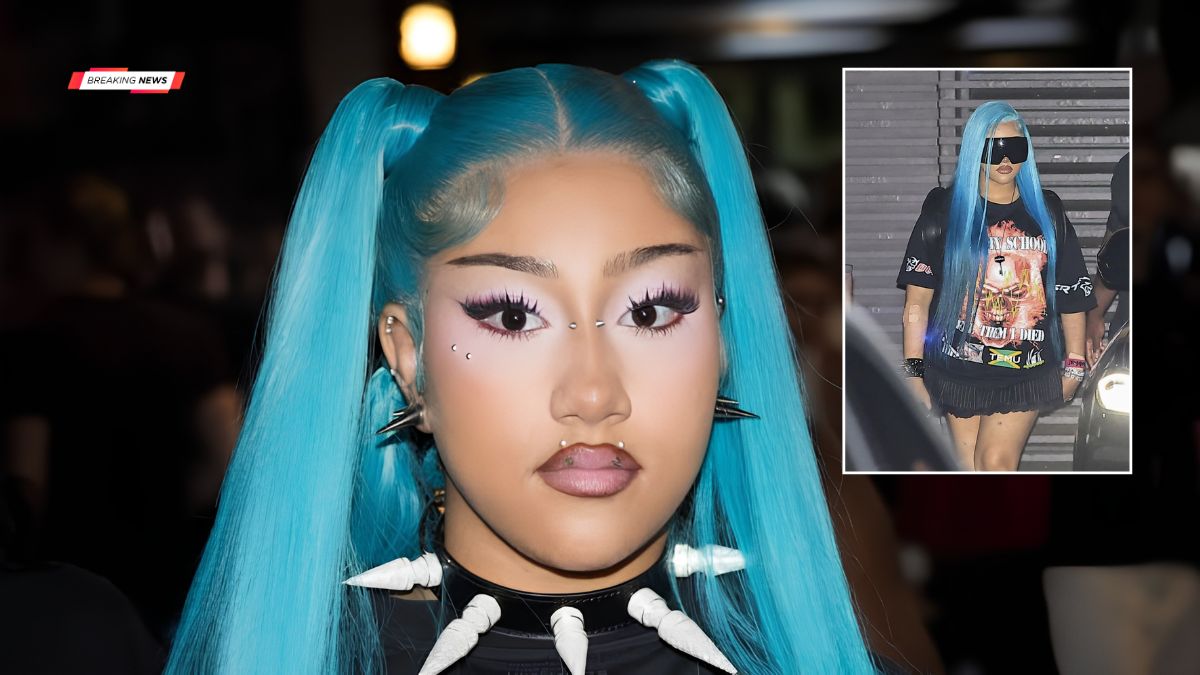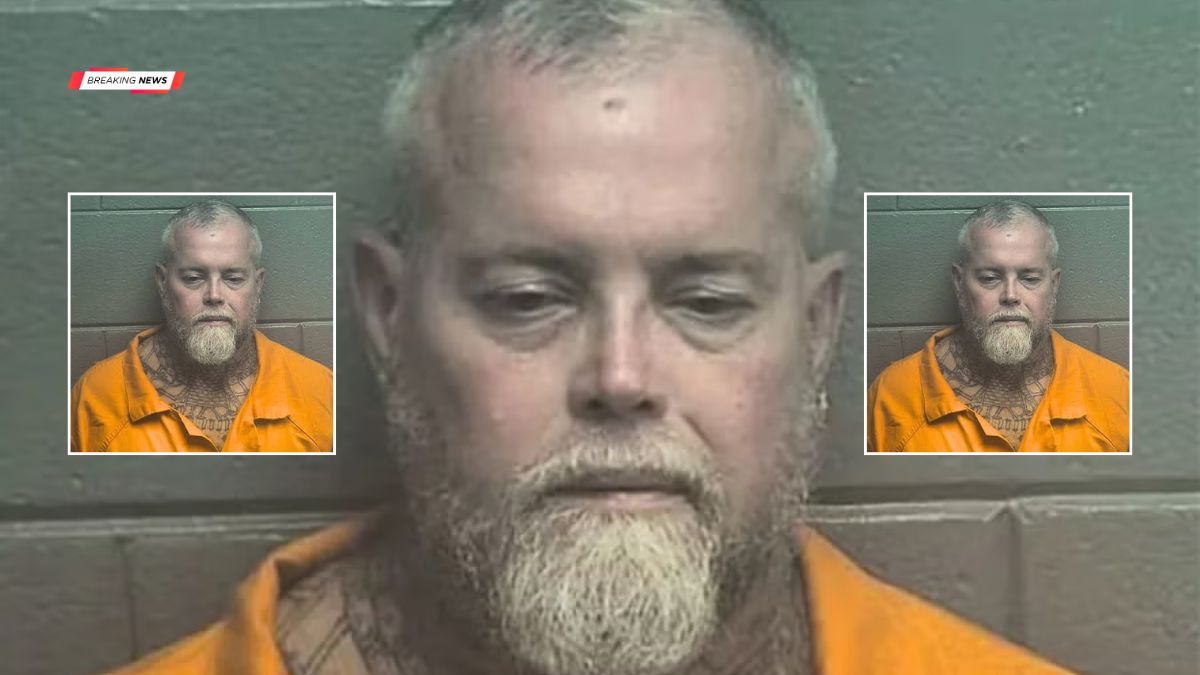
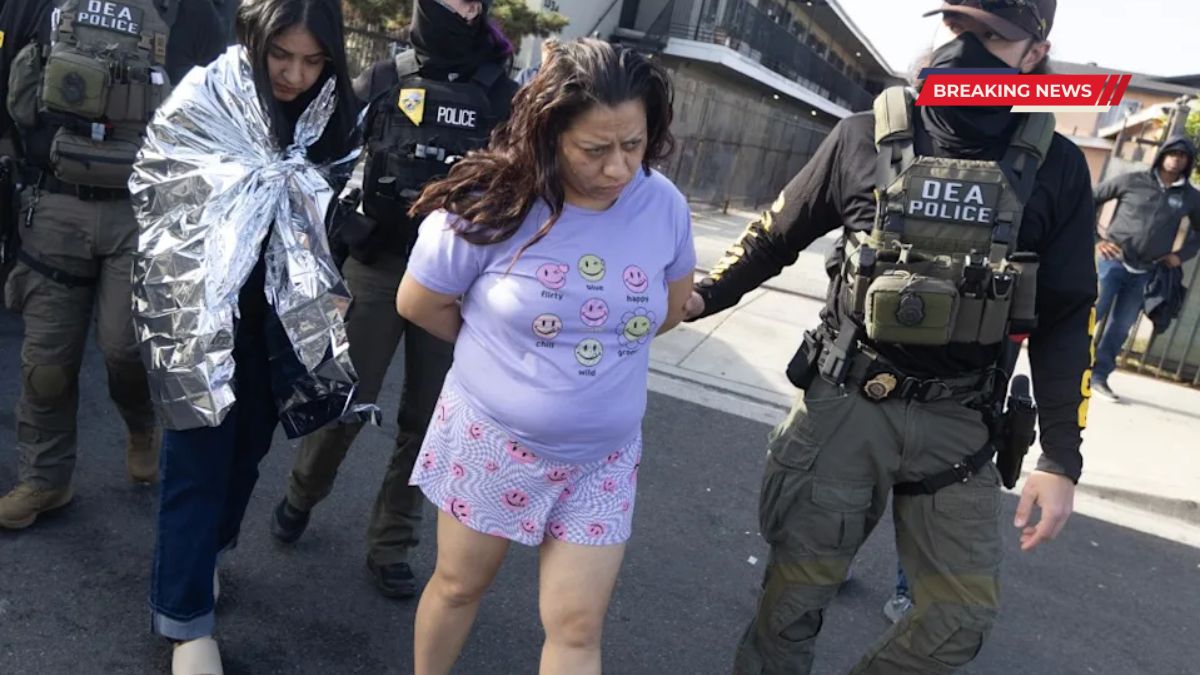
Federal agents say a woman accused of helping oversee a fentanyl distribution network in Los Angeles attempted to flush drugs down a toilet as authorities raided a suspected stash house tied to trafficking activity around MacArthur Park.
The operation, led by the Drug Enforcement Administration and federal law enforcement partners, is part of a broader effort to disrupt fentanyl trafficking networks operating in central Los Angeles. Investigators allege the residence functioned as a storage and processing site where fentanyl was prepared for street-level distribution.
Authorities described the woman as a “Narco Queen,” alleging she played a central role in coordinating operations linked to the trafficking network. The case now moves into federal court, where prosecutors are expected to pursue drug trafficking and conspiracy charges.
Raid
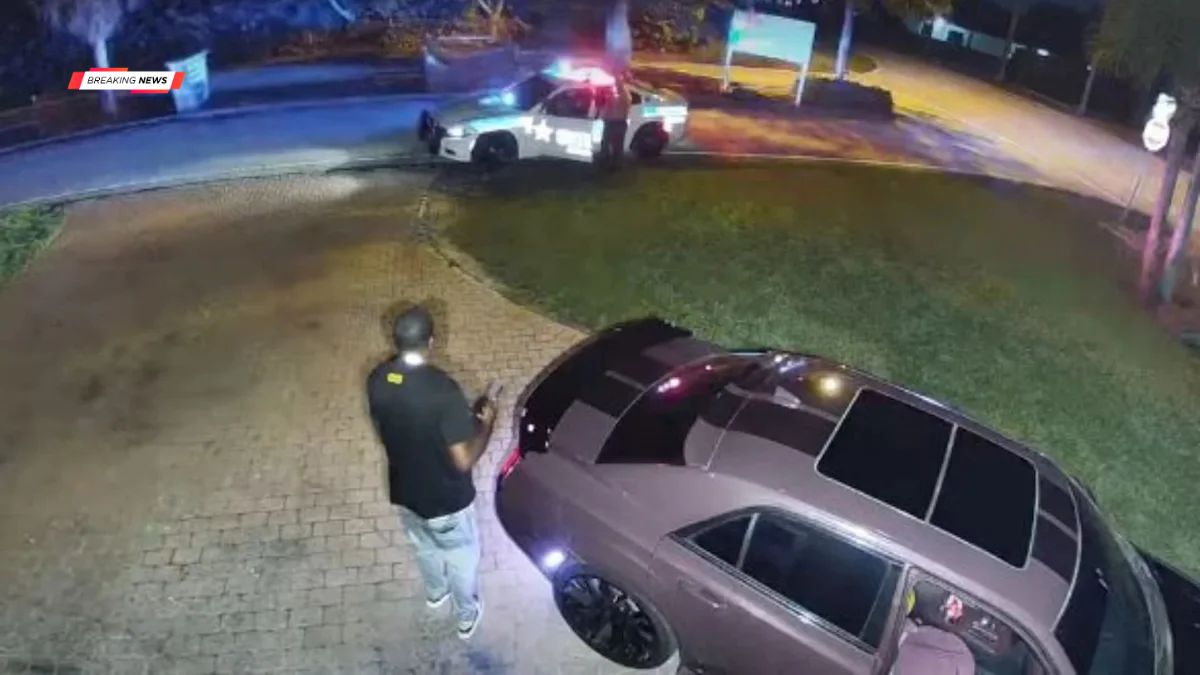
According to federal court filings and law enforcement statements, agents executed a search warrant at a California stash house connected to fentanyl sales near MacArthur Park.
As agents entered the property, investigators said the woman attempted to dispose of fentanyl powder and pills by flushing them down a toilet. Prosecutors argue the alleged action demonstrates awareness of the illegal nature and value of the narcotics stored inside the residence.
The woman was taken into custody along with several other suspected members of the organization.
Inside the home, agents reported finding large quantities of suspected fentanyl, counterfeit pills, digital scales, packaging supplies, and cash. Investigators said the property was being used as a midlevel distribution hub where bulk narcotics were divided into smaller quantities before reaching street dealers.
Authorities also seized multiple kilograms of suspected fentanyl during related searches conducted at additional locations tied to the investigation.
Network
Federal investigators allege the trafficking operation supplied dealers working in and around MacArthur Park, an area that has long struggled with open-air drug sales and public safety concerns.
According to investigators, the network relied on a structured system involving suppliers, couriers, stash houses, and street-level sellers. Drugs were allegedly transported from larger suppliers into Los Angeles, stored temporarily in residences, then distributed in smaller amounts to individuals operating in public spaces near the park.
Law enforcement officials said stash houses play a critical role in fentanyl trafficking because they allow organizations to separate large quantities of narcotics from public dealing locations.
| Evidence Seized | Reported Purpose |
|---|---|
| Fentanyl powder | Bulk distribution |
| Counterfeit pills | Street-level sales |
| Packaging materials | Repackaging narcotics |
| Digital scales | Measuring quantities |
| Cash | Suspected drug proceeds |
Photographs included in investigative materials reportedly showed wrapped bricks of powder, pills packaged for sale, and stacks of cash investigators believe were tied to narcotics activity.
Impact
The case highlights the continuing role fentanyl plays in the overdose crisis affecting Los Angeles County and communities across the United States.
Public health officials have repeatedly warned that fentanyl is significantly more potent than heroin and other opioids. Even very small amounts can be fatal, particularly when mixed into counterfeit pills or other substances without the user’s knowledge.
Federal authorities noted that a single kilogram of fentanyl can contain hundreds of thousands of potentially lethal doses.
By targeting supply hubs rather than only arresting street-level dealers, investigators say they hope to disrupt broader trafficking systems that move narcotics into neighborhoods and public spaces.
MacArthur Park has become a focal point for concerns involving drug activity, homelessness, and public safety. Residents and business owners in the area have frequently raised concerns about visible narcotics sales, discarded drug paraphernalia, and violence linked to illegal markets.
Investigation
Beyond the initial raid, law enforcement teams carried out searches at related apartments and vehicles believed to be connected to the operation.
Investigators described an organized system in which drugs were stored at hidden locations before being distributed through smaller networks of couriers and street sellers.
Authorities also indicated that the investigation relied on long-term surveillance and cooperation between federal and local agencies.
The case offers insight into how trafficking organizations attempt to limit exposure by separating wholesale operations from public transactions. According to investigators, this structure allows networks to continue operating even if individual street dealers are arrested.
Officials have not publicly disclosed the full number of people arrested or the identities of all suspects involved in the investigation.
Court
The criminal case is expected to proceed through federal court in the coming months.
Prosecutors are likely to pursue charges related to drug trafficking conspiracy, possession with intent to distribute narcotics, and potentially money laundering depending on the financial evidence recovered during the investigation.
Court proceedings may provide additional details about the alleged hierarchy of the organization, including how fentanyl entered Los Angeles and where it was distributed beyond MacArthur Park.
Legal experts note that federal drug trafficking cases often rely heavily on seized narcotics, surveillance evidence, electronic communications, and financial records.
The strength of that evidence could influence whether defendants seek plea agreements or proceed to trial.
Broader Questions
While federal officials described the operation as a significant enforcement action, experts say long-term reductions in fentanyl deaths require both criminal enforcement and public health strategies.
Health professionals continue to emphasize the importance of addiction treatment, overdose prevention programs, housing support, and mental health services alongside narcotics enforcement efforts.
Public policy discussions surrounding MacArthur Park have increasingly focused on balancing public safety concerns with support services for vulnerable populations struggling with addiction and homelessness.
The outcome of the case may also shape future enforcement strategies in other cities facing similar open-air fentanyl markets.
Authorities across the country have increasingly focused on dismantling hidden supply infrastructure, including stash houses and midlevel distribution sites, rather than concentrating solely on street-level arrests.
As the investigation continues, officials will likely monitor whether the takedown results in noticeable changes in drug activity and overdose trends in neighborhoods surrounding MacArthur Park.
FAQs
What happened during the DEA raid?
Agents raided a suspected fentanyl stash house.
Why was the woman called a ‘Narco Queen’?
Investigators say she coordinated trafficking activity.
Where was the alleged drug network based?

The operation was tied to MacArthur Park.
What drugs were seized by authorities?
Agents reported finding fentanyl and pills.
What charges could suspects face?
Drug trafficking and conspiracy charges.