
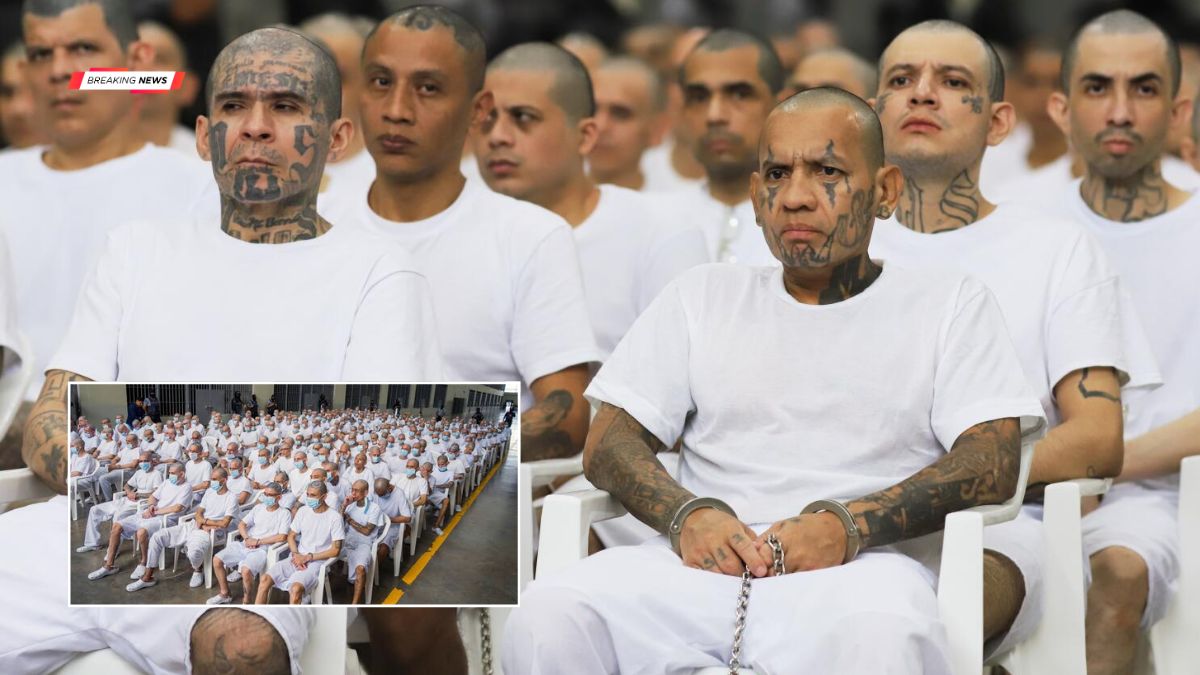
A large-scale trial involving hundreds of alleged MS-13 gang members has concluded in El Salvador, marking one of the country’s biggest legal proceedings against organized crime groups. The three-month case ended Wednesday as prosecutors presented their final arguments and requested the highest possible sentences for the defendants.
The trial involved 485 alleged members of Mara Salvatrucha, commonly known as MS-13, who faced charges connected to homicide, extortion, drug trafficking, weapons offenses, and human trafficking. The case has drawn international attention because of concerns from human rights groups about legal protections during El Salvador’s ongoing state of emergency.
Trial
The mass trial focused on allegations involving thousands of crimes reportedly committed between 2012 and 2022. According to El Salvador’s Public Prosecutor’s Office, the defendants were linked to 14,420 criminal acts, including 444 killings.
Prosecutors requested maximum penalties for the accused, which could lead to life imprisonment for some defendants. They also sought civil damages totaling around $9 million.
The prosecution argued that MS-13 operated as a highly organized criminal structure with multiple groups across the country. Officials presented evidence they said showed the gang’s involvement in violent activities and the recruitment and exploitation of vulnerable people.
Charges
Authorities said the investigation uncovered evidence involving gang operations across different regions of El Salvador. Prosecutors claimed MS-13 used approximately 1,200 children in criminal activities and exploited 638 women.
They also stated that the organization operated through 32 groups, including two that allegedly had connections outside El Salvador.
During the hearings, prosecutors presented recorded phone conversations they said involved gang leaders giving instructions related to killings and other crimes. The evidence was used to support the government’s case against the accused members.
MS-13 has been designated as a foreign terrorist organization by the United States, reflecting concerns about its criminal activities across several countries.
Detention
The trial was conducted virtually, with defendants appearing through video from the Terrorism Confinement Center, known as CECOT. The facility was built under the government of President Nayib Bukele as part of his security strategy.
CECOT has become a major symbol of El Salvador’s crackdown on gangs. The high-security prison has housed thousands of suspected gang members, as well as some migrants deported from the United States.
The prison’s strict conditions have faced criticism from rights organizations. Reports have raised concerns about restrictions on visits, recreation, and educational activities for inmates.
Authorities have not announced when the court will issue a final verdict in the MS-13 case.
Emergency
El Salvador’s state of emergency began in March 2022 after a rise in gang-related violence. The measure suspended some constitutional protections and allowed authorities to carry out mass arrests.
Since then, government officials say more than 92,480 people accused of gang membership or connections have been detained.
President Nayib Bukele’s administration says the policy has significantly reduced crime and improved public safety. Officials have also stated that around 8,000 people who were wrongly detained have been released.
However, human rights organizations have reported concerns about possible abuses. They say they have documented more than 6,000 complaints involving alleged human rights violations and arbitrary arrests. They have also reported at least 547 deaths in custody.
| Issue | Reported Figures |
|---|---|
| People detained since emergency began | More than 92,480 |
| Complaints recorded by rights groups | More than 6,000 |
| Reported deaths in custody | At least 547 |
| MS-13 trial defendants | 485 |
Support
Despite criticism from international organizations, the security measures remain popular among many Salvadorans. Some residents support Bukele’s approach because they experienced years of violence linked to gangs.
The government argues that tougher enforcement has helped transform public security conditions in the country. Supporters say the reduction in gang activity has improved daily life for many communities.
Critics, however, argue that security improvements should not come at the expense of legal rights and due process protections.
History
This is the second major mass trial involving gang members in El Salvador. In November, 45 members of the Barrio 18 gang were convicted of crimes including homicide and extortion.
One Barrio 18 leader received a sentence of 397 years in prison, highlighting the severe penalties authorities are seeking against major gang figures.
The MS-13 trial includes several high-profile alleged leaders, including Dionisio Arístides Umanzor Osorio, known as “El Sirra de Teclas,” Borromeo Henríquez Solórzano, also called “Diablito de Hollywood,” Carlos Tiberio Ramírez Valladares, known as “Snayder,” and César Antonio López Larios, known as “Greñas.”
The conclusion of the trial represents another major step in El Salvador’s ongoing campaign against powerful criminal organizations. While government officials view the proceedings as part of a broader effort to improve security, human rights groups continue to call for stronger protections for defendants and greater oversight of the justice system.
FAQs
What is MS-13?
MS-13 is an international criminal gang also called Mara Salvatrucha.
How many people were tried?
A total of 485 alleged MS-13 members faced charges.
Where was the trial held?

The trial was conducted virtually in El Salvador.
What is CECOT?
CECOT is El Salvador’s high-security Terrorism Confinement Center.
Why is the trial controversial?
Rights groups raised concerns about due process and detentions.













Kayla Nicole Opens Up About Love and Relationships After Travis Kelce’s New Chapter