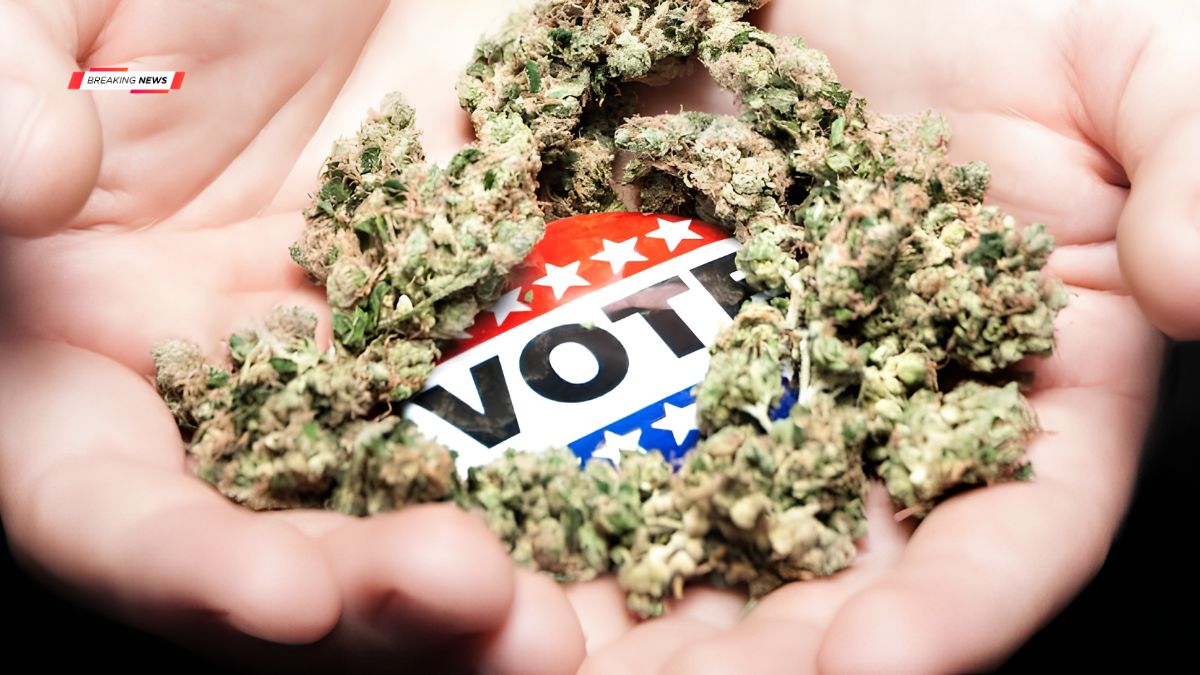
With recreational marijuana now legal in nearly half of the United States, attention is turning to which states could be next. While some legislatures remain divided, others have active proposals, supportive governors, or voter-backed ballot initiatives that could move legalization forward in 2027 or 2028.
Several states have come close in recent years, either through legislative votes or statewide referendums. Although no outcome is guaranteed, political trends, public opinion, and ongoing legislative activity provide clues about where adult-use cannabis legalization may advance next.
Pennsylvania
Pennsylvania is widely viewed as one of the strongest candidates for legalization during the next two years.
Gov. Josh Shapiro has included recreational marijuana legalization in each of his budget proposals since taking office. In 2025, the state House approved an adult-use cannabis bill, but the Republican-controlled Senate rejected the proposal, largely over disagreements about how retail sales would be structured.
Bipartisan discussions have continued through legislation introduced by Sen. Sharif Street, a Democrat, and Sen. Dan Laughlin, a Republican. With the 2026 elections likely to reshape the political landscape, Pennsylvania remains one of the leading states to watch.
Hawaii
Hawaii is the only state with a Democratic governor and Democratic control of both legislative chambers that has not legalized recreational marijuana.
Gov. Josh Green has repeatedly said he would sign legalization legislation if it reaches his desk. Previous bills advanced through several legislative committees before ultimately stalling.
Although recent proposals have focused on more limited reforms, lawmakers continue to debate adult-use cannabis, leaving open the possibility of broader legislation during future sessions.
New Hampshire
New Hampshire remains the only New England state without recreational marijuana legalization.
In 2026, the state House approved legislation that would have legalized possession and established a regulated marketplace. The proposal was later tabled by the state Senate.
Public support remains strong. An April 2025 University of New Hampshire survey found that about 70% of residents favored legalization, including majorities across political parties. Changes following the 2026 elections could improve the proposal’s prospects.
Florida
Florida came close to legalizing recreational marijuana in 2024.
Amendment 3 received 55.9% of the vote but fell short of the 60% threshold required for constitutional amendments in the state.
The Smart & Safe Florida campaign later attempted to qualify another measure but did not gather enough valid petition signatures before the deadline. Although organizers have not officially announced another effort, a new campaign in 2028 remains possible.
North Carolina
North Carolina has traditionally moved cautiously on cannabis policy, but recent developments have increased attention on legalization.
Gov. Josh Stein established an advisory council to study cannabis regulation, and the group later recommended creating a regulated adult-use market.
While Republican legislative leaders have shown limited support, legalization bills continue to be introduced. Existing cannabis sales on Eastern Band of Cherokee Indians land and widespread hemp products also contribute to the broader policy discussion.
Wisconsin
Wisconsin remains one of the few Midwestern states without recreational marijuana despite being surrounded by neighboring states that have adopted legalization or medical cannabis programs.
Democratic lawmakers introduced legislation in 2026 that would legalize both recreational and medical marijuana while establishing commercial regulations and expungement procedures.
Gov. Tony Evers supports legalization, but Republican legislative leaders have consistently declined to advance the proposals. The outcome of future elections may influence whether negotiations become more likely.
North Dakota
North Dakota voters have considered recreational marijuana several times.
In 2024, Measure 5 received approximately 47.5% support, falling short of approval but demonstrating continued voter interest.
Supporters could return with another ballot initiative in 2028, potentially emphasizing regulation, tax revenue, and public safety to appeal to undecided voters.
South Dakota
South Dakota has one of the most unusual legalization histories.
Voters approved Amendment A in 2020, but the state Supreme Court later invalidated the measure following a legal challenge. Subsequent legalization initiatives in 2022 and 2024 were rejected by voters.
Even so, the state’s earlier approval demonstrates that legalization can attract majority support under certain circumstances.
Arkansas
Arkansas already operates a medical marijuana program but has not approved recreational cannabis.
Voters rejected an adult-use legalization measure in 2022, while a separate medical marijuana expansion proposal encountered legal challenges before the 2024 election.
Although recreational legalization remains a longer-term possibility, supporters would likely need a revised proposal addressing licensing, regulation, and criminal justice concerns before returning to voters.
State Comparison
| State | Most Likely Path |
|---|---|
| Pennsylvania | Legislature |
| Hawaii | Legislature |
| New Hampshire | Legislature |
| Florida | Ballot initiative |
| North Carolina | Legislature |
| Wisconsin | Legislature |
| North Dakota | Ballot initiative |
| South Dakota | Ballot initiative |
| Arkansas | Ballot initiative |
Outlook
The path to recreational marijuana legalization continues to vary from state to state. In some places, lawmakers remain actively engaged in drafting legislation, while others are more likely to rely on citizen-led ballot initiatives.
Political leadership, election outcomes, public opinion, and legislative priorities will all influence whether these states ultimately approve adult-use cannabis in 2027 or 2028. While no state is guaranteed to legalize during that period, these nine states currently appear to have some of the clearest pathways based on recent legislative activity and voter trends.
FAQs
Which state is considered most likely to legalize next?
Pennsylvania is viewed as one of the leading candidates.
Why did Florida fail to legalize in 2024?
The amendment received less than the required 60% vote.
Is New Hampshire the only New England state without legalization?
Yes, it is currently the only one.
Can states legalize through ballot initiatives?
Yes, several states allow voters to decide directly.
Will these states legalize by 2028?
No outcome is certain and depends on future developments.