A police oversight body in Los Angeles, California, is calling for a renewed review of the Los Angeles Police Department’s automatic license plate reader program, raising questions about privacy, transparency, and the long-term use of surveillance technology. The recommendation comes as law enforcement agencies nationwide continue expanding the use of digital tools designed to assist investigations and improve public safety.
The LAPD watchdog’s review focuses on whether the current use of automatic license plate readers provides sufficient benefits while maintaining appropriate protections for residents’ personal information. Supporters argue the technology helps police locate stolen vehicles, investigate crimes, and identify suspects, while critics say stronger safeguards may be needed to prevent misuse and protect civil liberties.
Oversight Officials Review LAPD License Plate Reader Practices
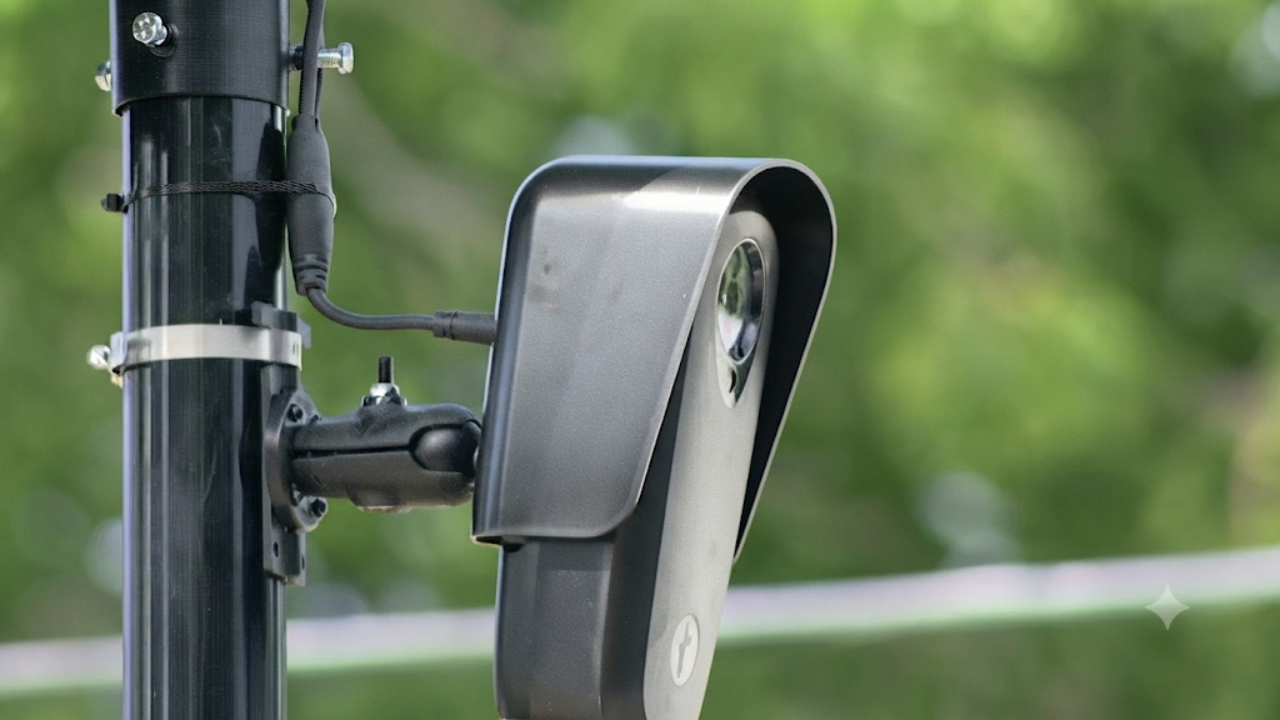
The discussion centers on the LAPD’s use of automatic license plate readers, cameras that capture vehicle license plate information and compare data against law enforcement databases. These systems are commonly used to assist officers investigating crimes such as vehicle thefts, burglaries, and other offenses where identifying a vehicle may help establish leads.
The police watchdog’s recommendation encourages officials to reconsider how the technology is managed, including policies related to data collection, storage, access, and oversight. Officials reviewing the program are examining whether current procedures provide enough accountability and whether additional restrictions should be considered to ensure the technology is used appropriately.
Debate Continues Over Privacy and Public Safety
Supporters of automatic license plate readers say the technology has become an important investigative tool for law enforcement. Police departments argue that the systems can quickly provide information that would otherwise require significant investigative resources. In some cases, license plate data can help officers locate stolen vehicles, connect suspects to crime scenes, and respond more effectively to public safety concerns.
However, privacy advocates have raised concerns about widespread surveillance and the possibility that large amounts of vehicle movement data could be collected and stored. Critics argue that clear limits are necessary to prevent unnecessary tracking of residents who are not suspected of criminal activity. They say oversight, transparency, and strict access rules are essential components of any surveillance program.
LAPD Reviews Future of Surveillance Technology
The recommendation from the watchdog does not necessarily mean the immediate end of automatic license plate readers in Los Angeles. Instead, it calls for officials to reassess the program and determine whether changes are needed to improve accountability and public confidence. The review may include examining how officers access information, how long records are retained, and what safeguards exist to prevent improper use.
City officials and law enforcement leaders are expected to continue discussions about balancing public safety needs with privacy protections. As technology becomes increasingly integrated into policing, agencies across the country are facing similar questions about how surveillance tools should be regulated and monitored.
Program Review at a Glance
| Detail | Information |
|---|---|
| Issue | Review of automatic license plate reader program |
| Location | Los Angeles, California |
| Agency Involved | Los Angeles Police Department |
| Reviewer | LAPD police watchdog/oversight body |
| Technology | Automatic license plate readers |
| Main Concerns | Privacy, transparency, oversight |
| Supporters’ View | Helps investigate crimes and improve safety |
| Critics’ View | Potential surveillance and privacy risks |
| Current Status | Under review |
The LAPD watchdog’s call to reconsider automatic license plate readers highlights the ongoing national debate over the role of surveillance technology in modern policing. In Los Angeles, California, officials are weighing the benefits of using digital tools to support investigations against concerns about privacy, data security, and government oversight. The review reflects broader discussions taking place in communities across the country as law enforcement agencies adopt new technologies.
While supporters believe license plate readers provide valuable assistance in solving crimes and improving public safety, critics continue seeking stronger protections for residents’ personal information. The future of the LAPD program will likely depend on how officials address transparency, accountability, and public concerns while determining the appropriate role of technology in law enforcement.
FAQ’s:
What are automatic license plate readers?
Automatic license plate readers are surveillance cameras that capture vehicle license plate information and compare it with law enforcement databases to assist investigations.
Why is the LAPD program being reviewed?
A police watchdog is urging officials to reconsider the program due to concerns involving privacy, transparency, oversight, and the management of collected data.
Do police use license plate readers to investigate crimes?

Yes. Law enforcement agencies commonly use the technology to help investigate crimes such as vehicle theft, identify vehicles connected to investigations, and locate suspects.
What are critics concerned about?
Critics are concerned about potential privacy issues, including the collection and storage of vehicle location information from people who may not be involved in criminal activity.
Will Los Angeles stop using license plate readers?
No immediate decision has been announced to end the program. Officials are reviewing the technology and considering whether additional rules or safeguards are needed.