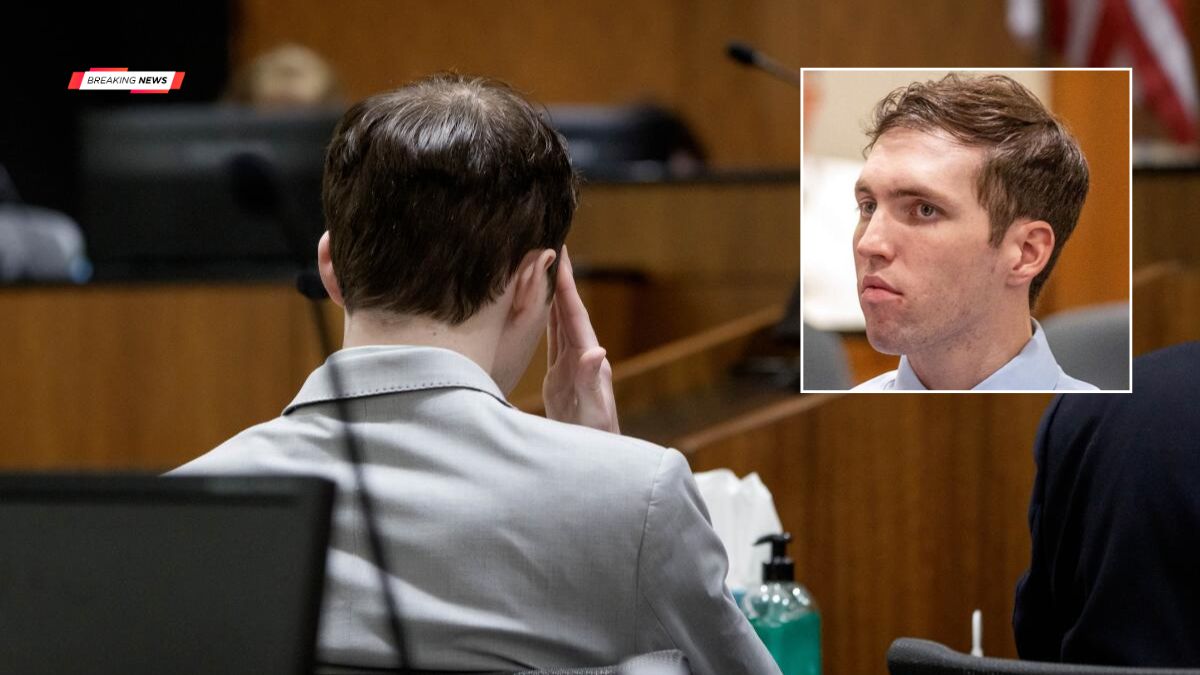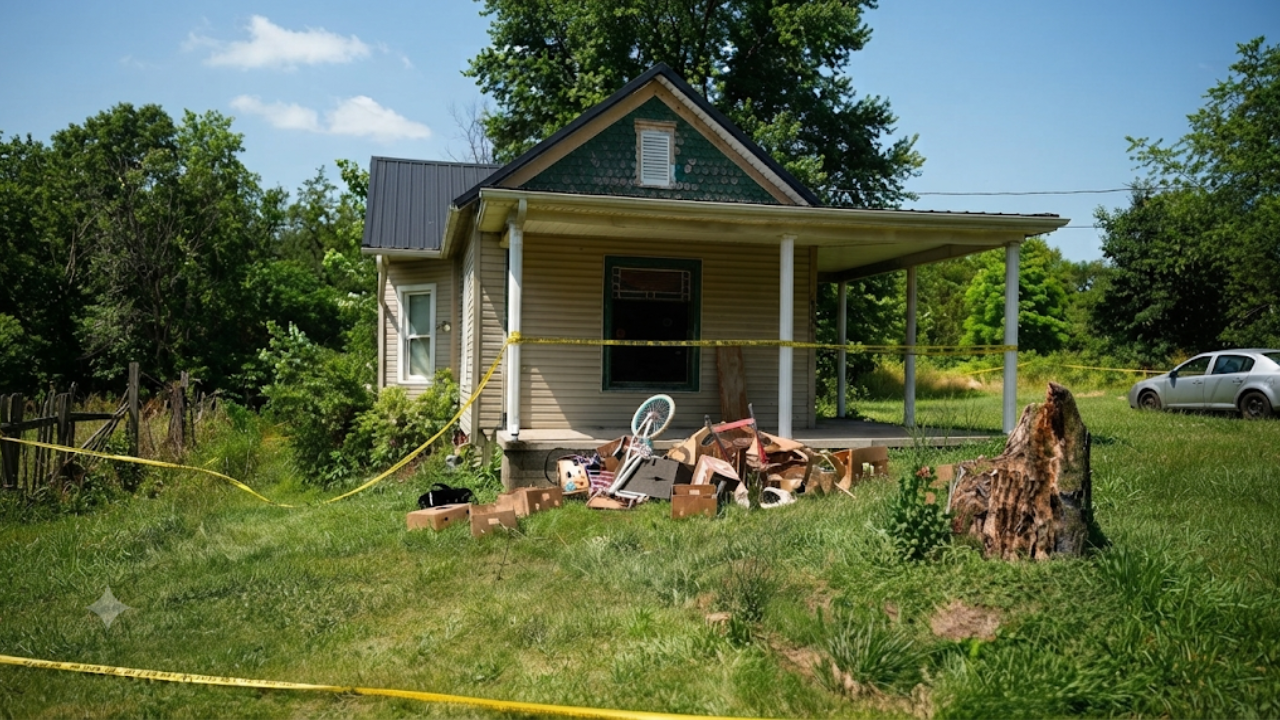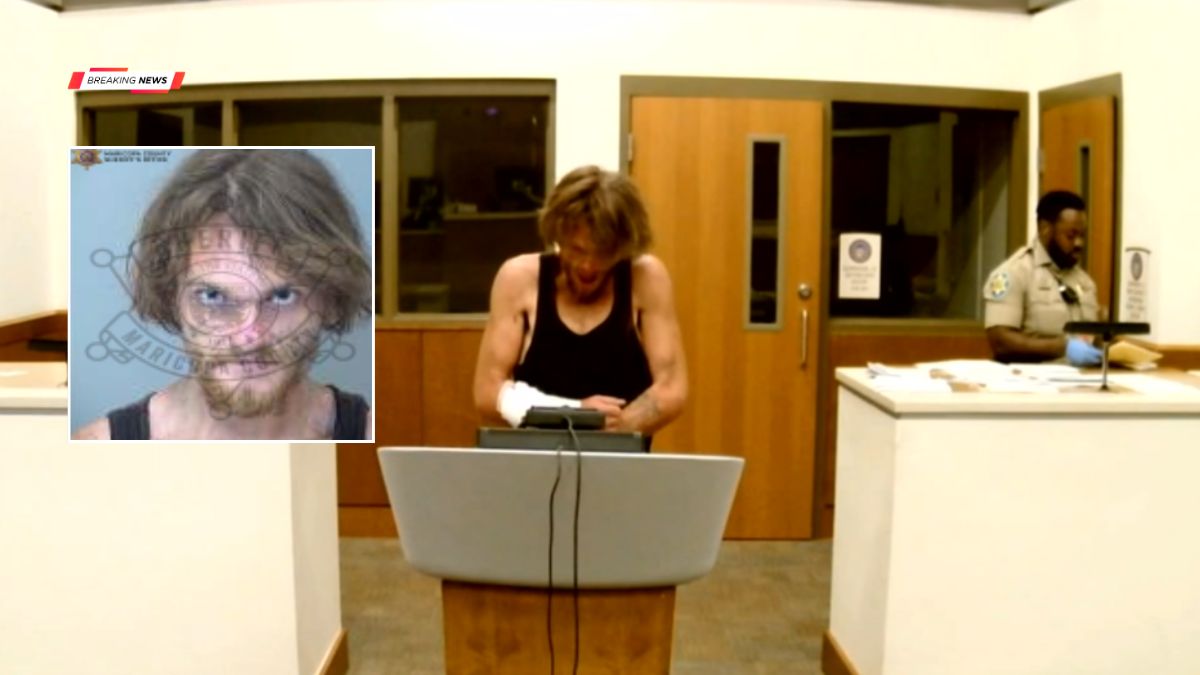
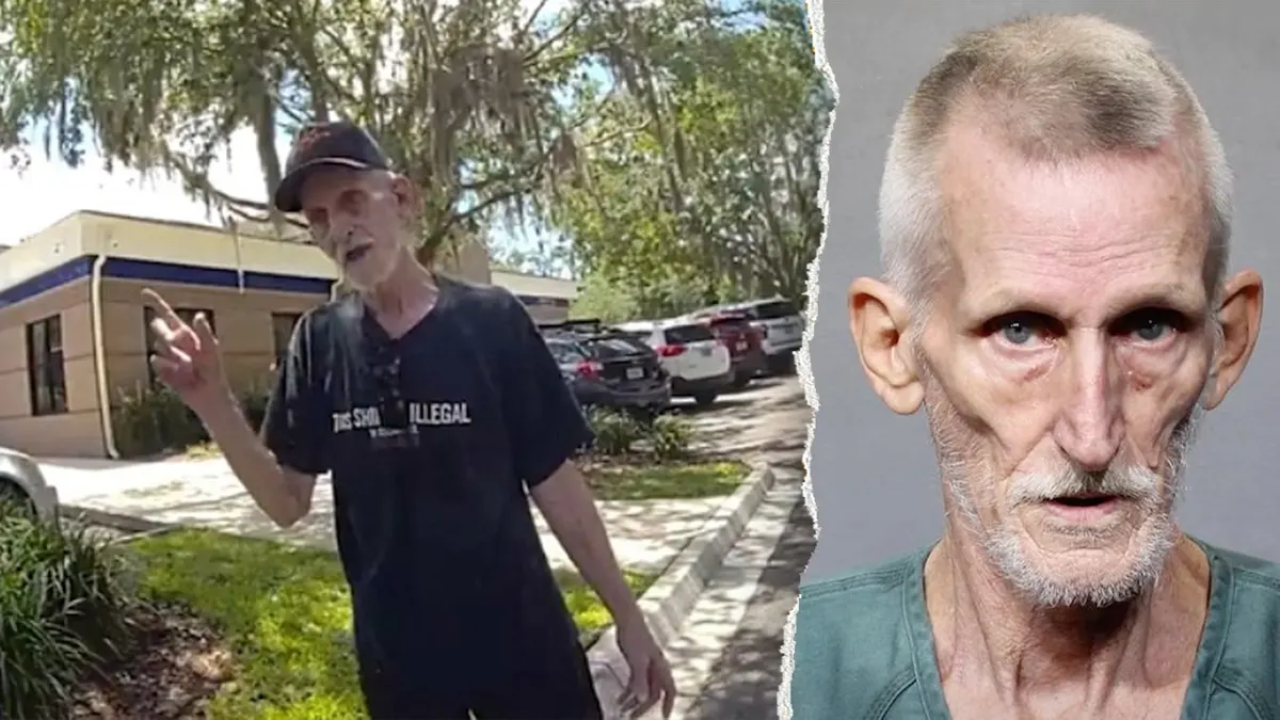
A decades-old homicide investigation in Palm Beach County, Florida, has taken a dramatic turn after authorities arrested a man who had previously contacted law enforcement regarding a 1987 killing. Investigators say the renewed communication prompted additional investigative work that ultimately led to criminal charges in one of the county’s long-unsolved cold cases.
The arrest marks a significant milestone for detectives who have continued pursuing the case for nearly four decades. Officials say advances in investigative techniques, combined with newly gathered evidence and a renewed review of the case file, helped move the investigation forward after years without a resolution.
Cold Case Investigation Revived After New Contact
According to investigators, the suspect reached out to law enforcement regarding the 1987 homicide, bringing renewed attention to a case that had remained unsolved for many years. Detectives reviewed the information provided and compared it with evidence collected during the original investigation.
The renewed investigation involved reexamining witness statements, case records, physical evidence, and additional information developed since the original homicide. Cold case investigators often revisit older files using modern investigative methods that were unavailable when the crime first occurred.
Authorities say every new lead is carefully evaluated, particularly in long-unsolved homicide cases where advances in forensic science and evidence analysis may reveal previously overlooked connections. Detectives also reviewed historical documentation and interviewed individuals who may have possessed relevant information.
The investigation ultimately produced sufficient evidence for authorities to arrest the suspect in connection with the killing, although prosecutors will continue evaluating the evidence as the criminal case proceeds.
Arrest Follows Decades of Investigation
Law enforcement officials announced the arrest after completing a lengthy review of evidence gathered throughout the renewed investigation. Detectives emphasized that solving cold cases often requires persistence, cooperation among multiple investigative units, and the willingness to revisit evidence many years after a crime occurred.
Although the suspect has been arrested, authorities have not disclosed every investigative detail because the criminal prosecution is now underway. Evidence expected to play a role in court may include witness testimony, forensic findings, historical records, and information developed during the renewed investigation.
Cold case prosecutions frequently depend upon combining original investigative materials with modern forensic techniques, including DNA analysis, digital record reviews, and advanced laboratory testing when available. These developments have helped resolve numerous unsolved homicide investigations across the United States.
Officials also noted that criminal charges represent allegations, and the defendant is presumed innocent unless proven guilty beyond a reasonable doubt in court.
Families Hope for Long-Awaited Justice
For the victim’s relatives, the arrest represents an important step after decades without answers. Families involved in cold cases often endure years of uncertainty while investigators continue searching for evidence capable of identifying and prosecuting those responsible.
Investigators acknowledged the patience shown by the victim’s loved ones throughout the lengthy investigation and credited continued cooperation from witnesses and community members who remained engaged with the case over many years.
Law enforcement agencies continue encouraging anyone with information about unsolved crimes to come forward, noting that even seemingly minor details can become significant when combined with new evidence or modern investigative techniques.
As the criminal case moves through the Florida court system, prosecutors will present evidence gathered over nearly four decades while the defense will have the opportunity to challenge that evidence during judicial proceedings.
| Key Information | Details |
|---|---|
| Incident | Cold case homicide arrest |
| Original Crime | 1987 killing |
| Location | Palm Beach County, Florida, United States |
| Investigation Type | Cold case review |
| Suspect | Florida man arrested after contacting police |
| Evidence Reviewed | Witness statements, historical records, forensic evidence |
| Investigation Status | Arrest made; prosecution ongoing |
| Court Status | Criminal proceedings pending |
The arrest in the 1987 Palm Beach County homicide demonstrates how cold case investigations can remain active for decades before new evidence or information changes the course of an investigation. Authorities say the suspect’s contact with law enforcement prompted detectives to reexamine the case, ultimately leading to an arrest.
While the prosecution is still in its early stages, the case offers renewed hope that a homicide which remained unsolved for nearly 40 years may finally reach a legal resolution. The defendant retains the presumption of innocence, and the court will determine the outcome after reviewing all evidence presented during the criminal proceedings.
Frequently Asked Questions:
Where did the original homicide occur?
The investigation concerns a 1987 killing in Palm Beach County, Florida, United States.
Why did investigators reopen the case?
Authorities renewed their investigation after the suspect reportedly contacted law enforcement regarding the decades-old homicide.
What is a cold case?
A cold case is a criminal investigation that remains unsolved for an extended period but continues to be reviewed as new evidence or investigative techniques become available.
What evidence do detectives examine in cold cases?
Investigators may review witness statements, forensic evidence, historical records, DNA testing, physical evidence, and newly obtained information to determine whether criminal charges are appropriate.
Has the suspect been convicted?
No. The suspect has been arrested and charged in connection with the investigation, but the allegations have not been proven in court. The defendant is presumed innocent unless found guilty through the judicial process.