Paskenta Rancheria, Tehama County, California, USA, and the Republic of Maldives — Two new clean energy projects are set to deploy flow battery technology as part of advanced microgrid systems aimed at improving energy resilience, reducing dependence on fossil fuels, and supporting renewable electricity generation. One project will serve communities in the Republic of Maldives, while the second will be installed on Paskenta Band of Nomlaki Indians tribal lands at Paskenta Rancheria in Tehama County, California.
The projects highlight the growing role of long-duration energy storage in strengthening electric grids that rely heavily on renewable resources such as solar power. Developers say flow batteries were selected because of their ability to safely store electricity for extended periods, making them well suited for isolated island communities and remote tribal lands where reliable power is essential.
The deployments also reflect increasing global investment in microgrid infrastructure designed to provide dependable electricity even during grid outages or extreme weather events.
Why Flow Batteries Were Selected
Unlike conventional lithium-ion batteries, flow batteries store energy in liquid electrolytes contained within external tanks. This design allows the batteries to deliver electricity over much longer periods while maintaining performance through thousands of charging and discharging cycles.
Project developers selected flow battery systems because they provide long-duration energy storage, improved operational safety, lower degradation over time, and the flexibility to scale storage capacity by increasing electrolyte volume. These characteristics make the technology particularly valuable for microgrids powered by renewable energy.
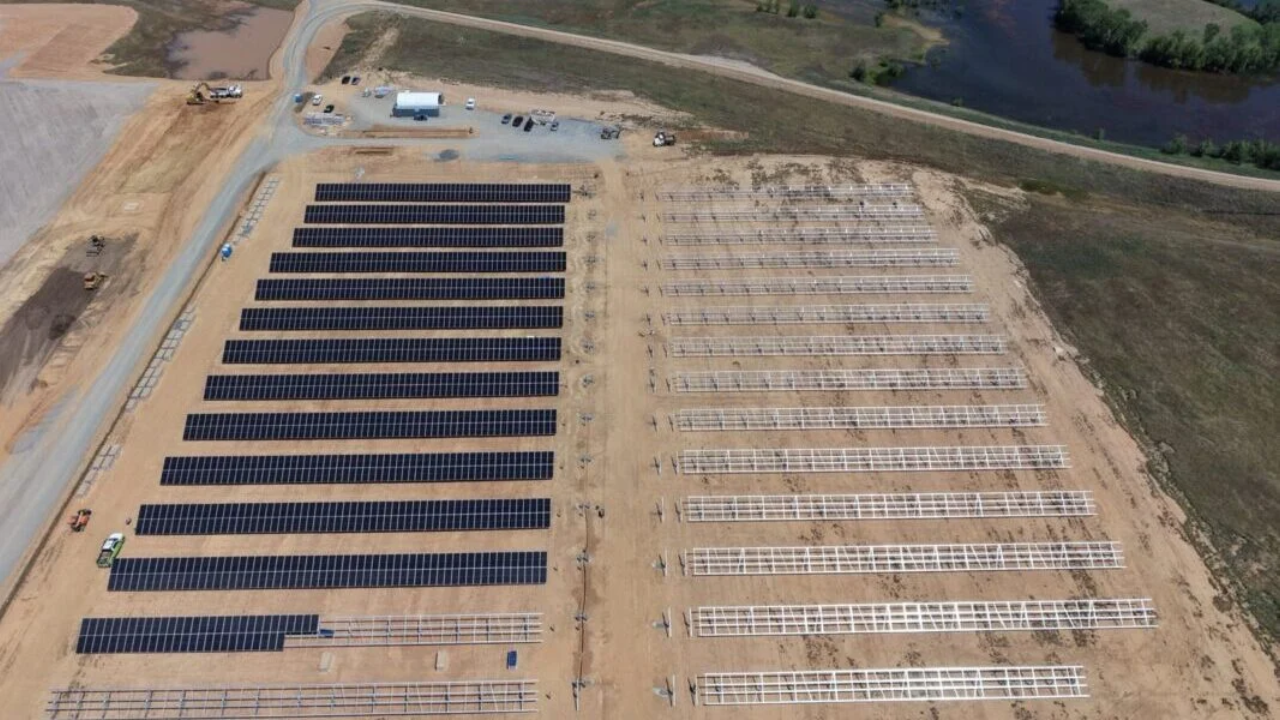
In both the Maldives and California projects, the batteries will help store excess electricity generated during periods of high solar production and release that energy when demand increases or sunlight is unavailable. This improves grid stability while reducing reliance on diesel generators and other fossil fuel-based backup systems.
As renewable energy adoption expands worldwide, long-duration storage technologies are becoming increasingly important components of modern electricity infrastructure.
Maldives Project Aims to Strengthen Island Energy Security
The Republic of Maldives, an island nation consisting of hundreds of islands spread across the Indian Ocean, faces unique energy challenges because many communities operate isolated electricity systems that have traditionally depended on imported diesel fuel.
The planned microgrid deployment will integrate renewable energy generation with flow battery storage to improve electricity reliability while lowering fuel consumption and reducing greenhouse gas emissions. The project is expected to help stabilize local power supplies, improve resilience during disruptions, and support the country’s broader transition toward cleaner energy sources.
Island microgrids require energy storage capable of balancing fluctuating renewable generation throughout the day and night. Flow batteries offer an attractive solution because they can deliver electricity over extended periods without the rapid performance degradation associated with some other battery technologies.
Officials view the project as part of ongoing efforts to modernize energy infrastructure while improving environmental sustainability.
California Tribal Lands Receive Advanced Energy Storage
The second project will be developed on Paskenta Rancheria in Tehama County, California, home to the Paskenta Band of Nomlaki Indians. The microgrid will combine renewable electricity generation with long-duration flow battery storage to enhance energy independence and improve resilience during utility outages or wildfire-related power disruptions.
Northern California has experienced increasing challenges related to extreme weather, wildfire risk, and public safety power shutoffs. For remote communities, reliable backup electricity has become increasingly important for maintaining essential services, emergency response capabilities, healthcare facilities, communications, and community operations.
The new microgrid is expected to provide greater local control over electricity generation while supporting clean energy goals and reducing dependence on conventional grid power. Tribal leaders continue investing in infrastructure that strengthens community resilience while promoting environmental stewardship.
The project also reflects broader efforts to expand clean energy investments within Indigenous communities across the United States.
Growing Importance of Long-Duration Energy Storage
Energy experts increasingly recognize that expanding renewable energy requires storage technologies capable of supplying electricity when solar panels and wind turbines are not generating power. While lithium-ion batteries remain widely used for shorter-duration applications, flow batteries are gaining attention for projects requiring extended energy delivery.
Long-duration storage improves grid reliability, reduces renewable energy curtailment, supports emergency preparedness, and helps utilities integrate greater amounts of clean electricity without compromising system stability.
Governments, utilities, private developers, and research organizations continue investing in emerging storage technologies as electricity demand grows alongside renewable generation capacity. Projects such as those in the Maldives and California demonstrate how different regions can adapt advanced storage systems to meet local energy needs.
As microgrids become increasingly common in remote communities, islands, military installations, hospitals, and tribal lands, flow batteries may play an expanding role in future energy infrastructure.
Project Overview
| Category | Details |
|---|---|
| Technology | Flow battery energy storage |
| Project Type | Renewable energy microgrids |
| International Location | Republic of Maldives |
| U.S. Location | Paskenta Rancheria, Tehama County, California, USA |
| Community | Paskenta Band of Nomlaki Indians |
| Primary Purpose | Long-duration energy storage |
| Renewable Integration | Solar-powered microgrids |
| Key Benefits | Grid resilience, clean energy, backup power |
| Main Objective | Reduce fossil fuel dependence |
| Current Status | Selected for deployment |
The selection of flow batteries for microgrid projects in the Republic of Maldives and on Paskenta Rancheria in Tehama County, California, represents another step forward in the global transition toward cleaner and more resilient energy systems. By pairing renewable electricity generation with long-duration energy storage, both projects aim to improve power reliability, strengthen energy independence, and reduce reliance on conventional fossil fuel generation.
As communities around the world seek solutions to increasing electricity demand, climate challenges, and grid reliability concerns, flow battery technology continues emerging as an important option for long-duration energy storage. These deployments demonstrate how advanced storage systems can support sustainable development while enhancing resilience for both island nations and remote tribal communities.
FAQ’s:
Where are the new flow battery projects located?
The projects are located in the Republic of Maldives and on Paskenta Rancheria in Tehama County, California, USA.
What is a flow battery?
A flow battery stores energy in liquid electrolytes held in external tanks, allowing it to provide long-duration electricity storage with high durability.
Why were flow batteries selected?

They offer long-duration storage, strong safety performance, scalability, and the ability to support renewable-powered microgrids.
Who will benefit from the California project?
The project will serve the Paskenta Band of Nomlaki Indians by improving energy resilience and supporting reliable electricity during outages.
What is the goal of these microgrid deployments?
The primary goals are to improve energy reliability, integrate renewable power, reduce fossil fuel dependence, and strengthen local energy resilience.