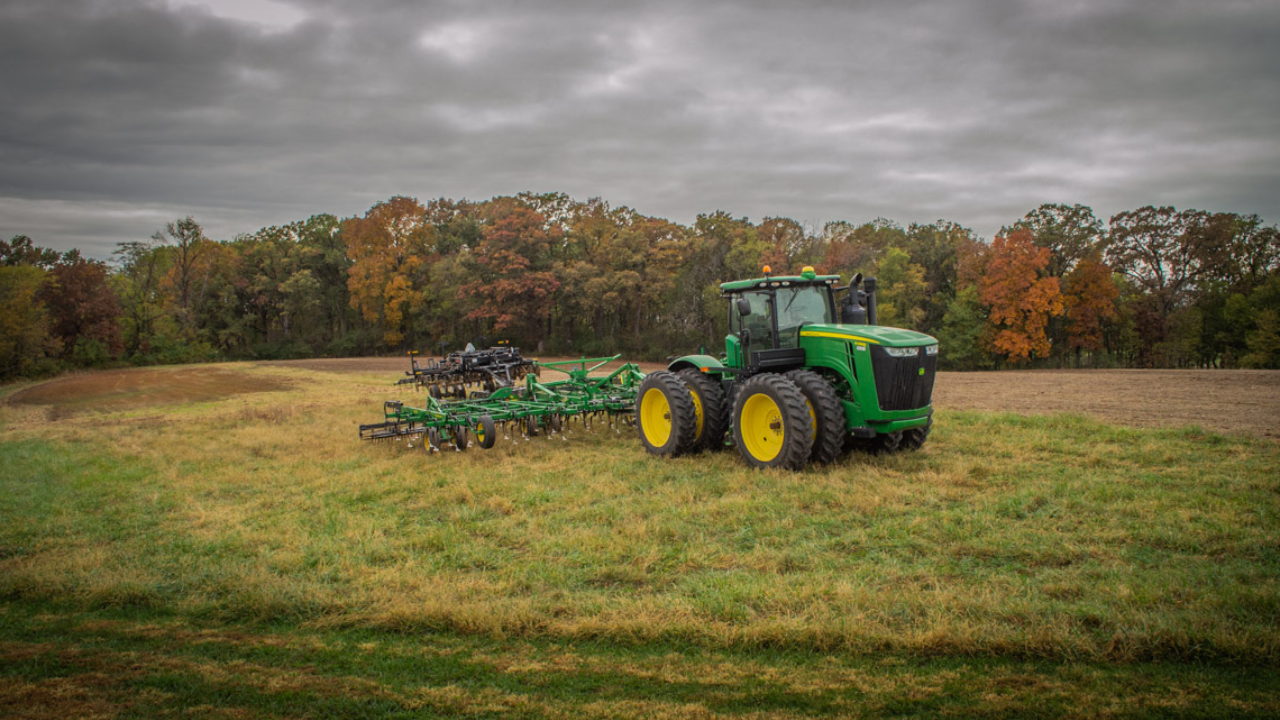
Springfield, Illinois, USA — Illinois is experiencing a growing agricultural financial crisis as farm bankruptcy filings have increased for the third consecutive year, raising concerns among farmers, economists, and agricultural organizations about the long-term health of one of the nation’s leading farming states. Rising production costs, volatile commodity prices, high interest rates, weather-related challenges, and tightening profit margins have combined to place significant financial pressure on many farming operations.
Industry leaders describe the trend as more than a temporary downturn, warning that many family farms are struggling to remain financially sustainable despite efforts to reduce expenses and improve efficiency. The continued increase in bankruptcies reflects broader economic challenges affecting agricultural producers across the Midwest.
While some farms continue to perform well, experts say financially vulnerable operations are finding it increasingly difficult to manage debt and generate sufficient income to cover rising operating expenses.
Rising Costs Continue to Pressure Illinois Farmers
Agricultural producers throughout Illinois have faced steadily increasing costs for fertilizer, seed, fuel, equipment, machinery repairs, labor, land rents, and crop insurance over the past several years. These higher expenses have significantly increased the amount of capital required to operate modern farming businesses.
At the same time, fluctuating prices for major commodities such as corn and soybeans have made farm income less predictable. Even productive harvests may fail to generate adequate profits when market prices decline or production costs remain elevated.
Higher borrowing costs have added another challenge. As interest rates have increased, financing land purchases, equipment, operating loans, and seasonal expenses has become considerably more expensive, placing additional strain on farms carrying existing debt.
Agricultural economists note that many producers are carefully managing cash flow, delaying equipment purchases, and reducing discretionary spending in an effort to remain financially stable.
Bankruptcy Trend Reflects Broader Agricultural Challenges
The increase in farm bankruptcy filings has become an important indicator of financial stress within Illinois agriculture. While bankruptcy remains a last resort for most producers, experts say more operations are reaching the point where debt restructuring or legal protection becomes necessary.
Family farms are particularly vulnerable because many operate with narrow profit margins and depend heavily on weather conditions, commodity markets, and global trade demand. A combination of poor growing seasons, unexpected expenses, or declining market prices can quickly create financial hardship.
Agricultural organizations emphasize that bankruptcy filings represent only a portion of struggling farms. Many producers facing financial pressure continue operating through loan restructuring, refinancing, asset sales, or cost-cutting measures without entering formal bankruptcy proceedings.
The current trend has prompted renewed discussions about farm support programs, rural lending practices, crop insurance, and long-term agricultural policy.
Industry Leaders Call for Long-Term Solutions
Farm advocacy groups, lenders, and agricultural economists argue that addressing the current financial pressures will require more than short-term assistance. Many organizations are calling for policies that improve farm profitability, strengthen rural economies, expand access to affordable credit, and provide greater stability during periods of market volatility.
Experts also stress the importance of risk management strategies, including crop diversification, improved financial planning, and participation in federal agricultural support programs. Continued investment in agricultural research, infrastructure, and export opportunities may also help strengthen the industry’s long-term outlook.
Although some commodity markets have shown signs of improvement, economists caution that uncertainty remains due to global economic conditions, changing trade patterns, weather risks, and ongoing fluctuations in input costs.
Industry representatives continue encouraging policymakers to recognize the growing financial challenges facing agricultural producers before additional farms are forced into bankruptcy.
Future Outlook for Illinois Agriculture
Despite the difficult financial environment, many agricultural experts remain optimistic about the long-term future of Illinois farming. The state continues to rank among the nation’s leading producers of corn, soybeans, and other agricultural commodities, supported by productive farmland, experienced producers, and strong transportation infrastructure.
However, economists believe recovery will depend on several factors, including improved commodity prices, lower production costs, stable interest rates, favorable weather conditions, and continued demand for agricultural exports.
Financial advisors encourage farmers to closely monitor cash flow, communicate regularly with lenders, and seek professional financial guidance when facing economic challenges. Early planning, they say, often provides more options than waiting until financial problems become overwhelming.
As policymakers, lenders, and agricultural organizations continue evaluating possible solutions, the rising number of bankruptcies highlights the financial pressures confronting many rural communities across Illinois.
Farm Bankruptcy Overview
| Category | Details |
|---|---|
| Topic | Farm bankruptcy trend |
| Location | Springfield, Illinois, USA |
| State Affected | Illinois |
| Trend | Third consecutive annual increase in farm bankruptcies |
| Primary Concerns | Rising costs, debt, declining profitability |
| Economic Factors | High interest rates, commodity price volatility, inflation |
| Industries Affected | Crop farming and agricultural businesses |
| Stakeholders | Farmers, lenders, agricultural organizations |
| Current Status | Financial pressures continue |
| Long-Term Focus | Economic recovery and agricultural sustainability |
The continued rise in farm bankruptcies across Illinois underscores the financial difficulties facing many agricultural producers as they navigate increasing production costs, uncertain commodity markets, and higher borrowing expenses. While bankruptcy affects only a portion of the farming community, industry leaders warn that the trend reflects broader economic challenges confronting rural America.
As discussions continue over agricultural policy, financial assistance, and long-term economic solutions, many farmers remain focused on adapting to changing market conditions while working to preserve family operations for future generations. The coming years will likely determine whether improving economic conditions can reverse the current trend and restore greater financial stability to Illinois agriculture.
FAQ’s:
Where is the farm bankruptcy trend occurring?
The increase is occurring across Illinois, with policy discussions centered in Springfield, Illinois, USA.
Why are farm bankruptcies increasing?
Experts cite rising operating costs, high interest rates, commodity price volatility, inflation, weather challenges, and growing debt burdens.
Which farmers are most affected?

Many financially vulnerable family farms with narrow profit margins and significant operating debt face the greatest challenges.
Are all Illinois farms struggling?
No. While many farms remain financially stable, an increasing number are experiencing economic pressure that may require restructuring or bankruptcy protection.
What solutions are being discussed?
Agricultural organizations are advocating for stronger farm support programs, affordable credit, improved risk management, stable markets, and long-term policies that strengthen the agricultural economy.