Las Vegas remains brightly lit and active, with major events, packed weekends, and a global brand that still commands attention. But behind the neon and packed Saturdays, a quieter shift is underway. More visitors are weighing costs more carefully, and that hesitation is beginning to show in the numbers.
The city welcomed about 38.5 million visitors in 2025, according to the Las Vegas Convention and Visitors Authority. That figure represents a 7.5 percent decline from the previous year. Las Vegas is far from empty, but the drop is significant for a city whose economy depends heavily on steady visitor volume and discretionary spending.
Numbers
Tourism declines of this size do not suggest collapse, but they do raise questions. Las Vegas relies on constant movement through hotel rooms, restaurants, shows, casinos, rideshares, and service jobs. Even a modest reduction in visitors can ripple through multiple layers of the local economy.
For decades, Las Vegas benefited from an assumption that visitors would come regardless of cost. That assumption is now being tested as travelers compare prices more closely and reassess what a weekend getaway should cost.
Costs
Las Vegas built much of its reputation on value. Visitors could find affordable hotel deals, low cost meals, and entertainment that felt accessible to middle-income travelers. Many longtime visitors say that calculation has changed.
Resort fees, parking charges, higher food prices, more expensive drinks, premium ticket pricing, and rising travel costs have altered the overall bill. A trip that once felt spontaneous now often requires advance budgeting. Some travelers are cutting back on how often they visit. Others are shortening stays or skipping the Strip altogether.
This shift reflects broader financial pressures. With housing, groceries, insurance, and everyday expenses consuming more household income, vacations are often one of the first areas people reconsider.
Split
The impact of rising costs is not evenly distributed across Las Vegas. The Strip and neighborhood casinos are experiencing different dynamics.
Tourist focused resorts on the Strip appear more sensitive to visitor pullback, especially during non event weeks. Meanwhile, local casinos continue to draw residents who are less affected by airfare, hotel pricing, and Strip related fees.
This divide helps explain why some observers describe slower conditions on the Strip while others still see strong casino activity elsewhere in the valley. Spending has not disappeared, but it is shifting.
Strip
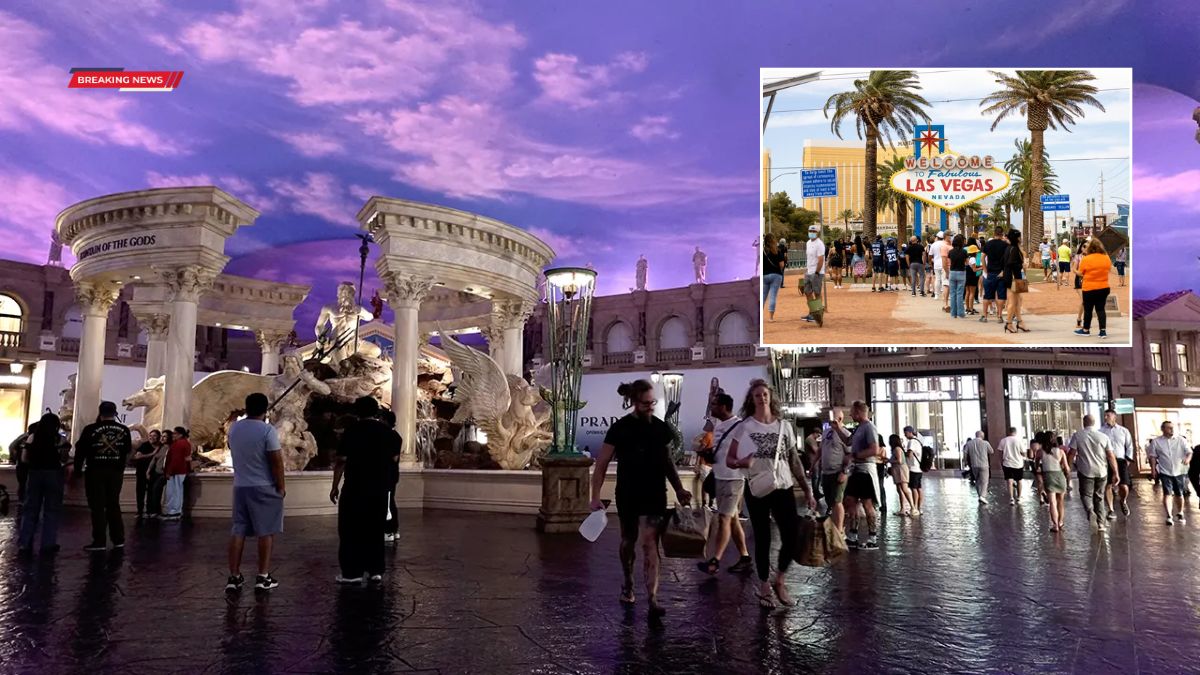
The Las Vegas Strip remains a global attraction. Concerts, conventions, sporting events, celebrity residencies, and luxury experiences continue to fill hotels during peak periods. Major weekends can still feel crowded and energetic.
The challenge is consistency. Strong event driven surges can mask slower midweek traffic. A packed Saturday night does not necessarily translate into steady business throughout the week. That unevenness matters for a city built on volume rather than isolated high spenders.
Service workers are often the first to notice the difference. Fewer casual gamblers, lighter restaurant traffic, and lower tip volume can affect income even when headline events continue.
Locals
Neighborhood casinos offer a contrast. They serve residents, retirees, repeat customers, and loyalty members who are less influenced by Strip pricing. Parking is easier, dining is often more affordable, and the experience feels familiar rather than transactional.
This local base provides a cushion that many tourist cities lack. While it does not replace Strip tourism, it helps stabilize the broader casino economy when visitor patterns fluctuate.
Workers
Tourism data can feel abstract, but the effects are personal. Fewer visitors can mean fewer shifts, reduced tips, and more unpredictable schedules for hospitality workers. Many Las Vegas households rely on tourism income for rent, food, and daily expenses.
When visitor volume becomes less reliable, the impact spreads beyond casinos and hotels to neighborhood businesses across the valley. Tourism may be marketed as entertainment, but for local workers, it is economic stability.
Signal
Las Vegas has long served as a barometer for consumer confidence. When people feel financially secure, they travel more freely and spend with less hesitation. When budgets tighten, discretionary trips become easier to postpone.
The current slowdown reflects that national mood. Many travelers are still spending, but they are doing so more cautiously. They may opt for fewer trips, lower priced options, or shorter stays.
This does not suggest that Las Vegas is losing relevance. It suggests that visitors are making more deliberate choices.
Value
Las Vegas does not face an attention problem. Its brand remains strong, and its ability to generate excitement is unmatched. The challenge is preserving the sense of value that once defined the city.
High prices are not necessarily a deal breaker when visitors feel the experience justifies the cost. Frustration grows when fees feel unclear or excessive. Clear pricing, balanced offerings, and options at multiple price points may matter more than ever.
The city’s long term strength has always depended on more than luxury. Regular visitors, not just high spenders, helped build modern Las Vegas. Their expectations still shape the market.
Outlook
Las Vegas is not fading. It continues to host major events and attract millions of visitors each year. But the recent decline sends a clear message.
Travelers are still interested, but they are paying closer attention to the total cost. For a city built on impulse and enthusiasm, that pause is meaningful.
The lights are still on. The crowds still come. But more visitors are asking a question they once skipped: is the experience still worth the price?
FAQs
Did Las Vegas tourism decline recently?
Yes, visitor numbers fell about 7.5 percent in 2025.
Is the Las Vegas Strip empty?
No, but traffic is less consistent outside major events.
Why are tourists spending less?

Rising travel and everyday living costs are a factor.
Are local casinos affected the same way?
No, neighborhood casinos remain steadier.
Is Las Vegas still popular?
Yes, but visitors are more price conscious.