A class action lawsuit accusing Arizona officials of failing to act quickly enough during the massive sober living fraud scandal will continue after a judge denied a motion to dismiss. The ruling marks a significant step for plaintiffs who say the damage caused by the fraud is ongoing and that vulnerable people are still being harmed.
At the center of the case is AHCCCS, Arizona’s Medicaid program, which allegedly paid hundreds of millions of dollars to fraudulent sober living homes for services that were never provided. Attorneys and advocates say the consequences of that failure are still being felt across the state.
Lawsuit
Attorneys representing the plaintiffs held a press conference Friday to outline the current status of the case and explain why they believe the lawsuit remains necessary. The suit claims Arizona moved too slowly to stop widespread fraud, allowing bad actors to exploit Medicaid funding while patients were abandoned or mistreated.
The judge’s decision to let the case proceed means the state will now have to respond to detailed allegations about oversight failures, billing practices, and the long-term impact on patients, many of whom were Native American.
Impact
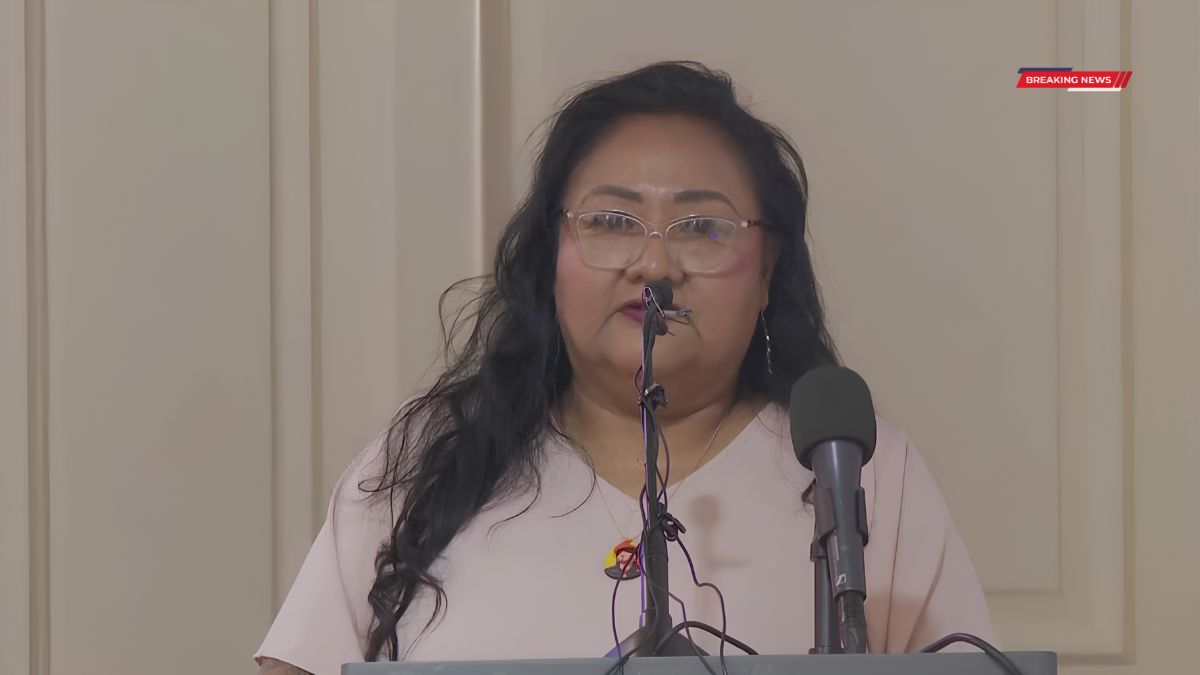
Native American advocate Reva Stewart spoke at the press conference and described what she says is an ongoing crisis. According to Stewart, she continues to encounter people who were left without proper care after being placed in fraudulent sober living homes.
She compared the situation to a cycle that never ends, saying the same issues that surfaced years ago are still occurring today. Stewart emphasized that people seeking treatment are still being shuffled through unsafe or ineffective programs, often with no accountability.
Fraud
The lawsuit stems from a sweeping fraud scheme involving sober living homes that billed AHCCCS for services that were never delivered. In some cases, providers allegedly billed Medicaid for children, people who were incarcerated, or even individuals who were deceased.
These false claims resulted in enormous payouts from the state’s Medicaid system, raising serious questions about how the billing went unchecked for so long.
Attorney Dane Wood, who represents the plaintiffs, said his clients want more than financial compensation. They want to understand how such large-scale fraud was allowed to continue.
He questioned how AHCCCS kept approving and paying claims day after day, often involving massive sums of money, without stopping the flow sooner.
Spotlight
One of the most notable examples cited in the case involves Farrukh Ali, the owner of Pro-M-D Solutions, a medical billing company. According to investigators, approximately $650 million was paid to a single individual connected to fraudulent billing.
Previous reporting linked Ali to at least 10 businesses that later appeared on the state’s suspension list. Ali has since been indicted on fraud and money laundering charges. Prosecutors believe he is currently in Pakistan, and he has not been arrested.
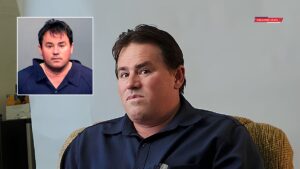
In an earlier interview, a man identifying himself as Mark Stanley claimed to work for Pro-M-D Solutions. Wood believes that individual was actually Ali using an alias.
Accountability
Wood also criticized Arizona Attorney General Kris Mayes, arguing that while indictments have been announced, relatively few people have been sent to prison.
He said public announcements about charges do not always translate into meaningful consequences and that victims are still waiting for true accountability.
Response
A spokesperson for the Arizona Attorney General’s Office pushed back on that criticism. According to the office, there have been 41 convictions stemming from 168 indictments related to the sober living fraud investigation. Two recent cases resulted in prison sentences, though the spokesperson could not immediately provide the total number of cases involving incarceration.
In a written statement, the Attorney General’s Office said it has aggressively pursued the fraud since exposing the scheme in 2023. Officials say those efforts have led to a 92% reduction in fraudulent billing since that time.
The statement also noted that dozens of investigations remain active and ongoing. The office added that continued enforcement would be helped by stronger legislative support, pointing to a recent 2.5% budget cut to the Attorney General’s Office.
Outlook
As the class action lawsuit moves forward, plaintiffs hope it will force answers about how the fraud went undetected for so long and whether state systems failed the very people they were meant to protect. While officials say progress has been made, advocates argue that real reform has yet to reach those still caught in the aftermath of the scandal.
FAQs
What is the AHCCCS lawsuit about?
It alleges Arizona failed to stop sober living fraud in time.
Who is most affected by the alleged fraud?
Many victims were vulnerable and Native American patients.
Who is Farrukh Ali?
He is accused of receiving $650 million through fraudulent billing.
How many convictions have occurred so far?
Officials report 41 convictions out of 168 indictments.
Is the fraud investigation still ongoing?
Yes, the Attorney General says dozens of cases remain active.