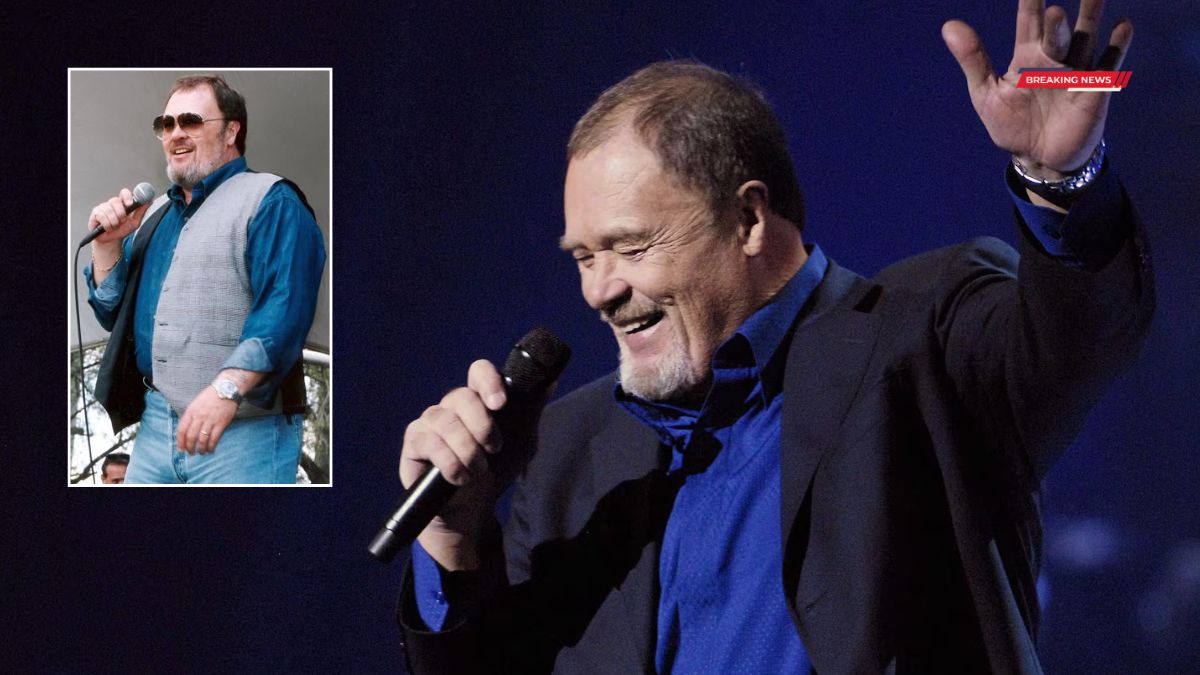
David Clayton-Thomas, the distinctive lead singer of Blood, Sweat & Tears whose voice helped define late-1960s jazz-rock, has died at the age of 84. His death was confirmed by spokesperson Eric Alper, who said Clayton-Thomas died peacefully Wednesday at St. Michael’s Hospital in Toronto. No specific cause was given.
Clayton-Thomas was best known for his commanding performances on songs such as Spinning Wheel, And When I Die, and You’ve Made Me So Very Happy. Backed by a full horn section, his urgent, blues-based delivery helped push Blood, Sweat & Tears to the forefront of popular music during a brief but influential period. The band won two Grammy Awards and in 1969 defeated the Beatles’ Abbey Road for album of the year, a rare achievement that reflected its mainstream reach at the time.
Beginnings
Born David Henry Thomsett in Surrey, England, Clayton-Thomas was raised primarily in Canada, living in areas near Toronto and Ottawa. His father was a Canadian World War II veteran, and his mother was a pianist and entertainer who encouraged his early interest in music. Despite that influence, his childhood was unsettled. He clashed frequently with his father and was living on the streets by his mid-teens.
By age 20, Clayton-Thomas had spent time in a reformatory for vagrancy, assault, and other offenses. While incarcerated, he found an old guitar left behind by another inmate. Teaching himself to play, he began to focus seriously on music, a shift that marked a turning point in his life.
Reinvention
After his release, Clayton-Thomas immersed himself in Toronto’s Yonge Street music scene during the early 1960s. The area was a hub for emerging talent and touring performers, including Ronnie Hawkins, who played a formative role in shaping several Canadian musicians of the era. Seeking a fresh start, Thomsett changed his name to David Clayton-Thomas and began leading his own bands.
In the mid-1960s, he released albums such as Sings Like It Is and gained attention with Brainwashed, an anti-war single that reflected the political mood of the time. His circle included artists like Joni Mitchell, whose song Circle Game later influenced Clayton-Thomas’ writing, and blues legend John Lee Hooker, who encouraged him to pursue opportunities in the United States.
Breakthrough
Clayton-Thomas relocated to New York after receiving support from Hooker, who had a scheduled engagement at the Cafe Au Go Go in Greenwich Village. When Hooker left unexpectedly for a European tour, club owner Howard Solomon asked Clayton-Thomas to fill in. He quickly assembled a band and remained at the venue for several months, building a reputation as a compelling live performer.
At the same time, producer and musician Al Kooper was developing Blood, Sweat & Tears, a jazz-rock ensemble that blended rock rhythms with brass arrangements. Although the group’s debut album was well received, internal disagreements led to Kooper’s departure. The remaining members were searching for a lead vocalist capable of anchoring the band’s sound.
Stardom
Clayton-Thomas joined Blood, Sweat & Tears in late 1968, and the impact was immediate. The band’s self-titled second album became a commercial success, producing multiple hit singles and earning two Grammy Awards. The group performed at Woodstock in 1969 and was among the highest-paid acts at the festival.
Clayton-Thomas’ vocal style, rooted in blues but adaptable to jazz and pop structures, helped the band appeal to a broad audience. Blood, Sweat & Tears also influenced a wave of horn-driven rock groups, including Chicago and Electric Flag, that gained prominence in the same period.
Controversy
The band’s wide appeal also exposed it to criticism from multiple sides. In 1970, Blood, Sweat & Tears toured Eastern Europe with support from the U.S. State Department. Although the musicians publicly criticized Communist governments during the trip, the association with official sponsorship drew backlash from some fans and activists in the United States.
At the same time, Clayton-Thomas faced personal and professional strain. Immigration issues threatened his ability to remain in the country, and the demands of constant touring took a toll. After the release of Blood, Sweat & Tears 3, which reached the top of the charts, his involvement with the band began to decline. He left the group in 1972.
Afterward
Neither Clayton-Thomas nor Blood, Sweat & Tears returned to their late-1960s level of prominence, but both continued working. Clayton-Thomas released more than a dozen solo albums over the following decades and toured regularly, maintaining a steady presence in clubs and theaters.
His contributions were later recognized in Canada, where he was inducted into the Canadian Music Hall of Fame in 1996. Spinning Wheel was added to the Canadian Songwriters Hall of Fame ten years later and has been recorded by artists across genres.
Legacy
Clayton-Thomas is survived by his daughters, Ashleigh Clayton-Thomas and Christine Graham. His career traced a path from personal instability to international recognition, shaped by a distinctive voice and a willingness to blend musical styles.
Although his time at the center of popular music was relatively brief, his recordings with Blood, Sweat & Tears remain central to the history of jazz-rock. For many listeners, his work continues to represent a moment when rock music expanded its sound and reach without losing its connection to the blues.
FAQs
Who was David Clayton-Thomas?
He was the lead singer of Blood, Sweat & Tears.
What was his most famous song?
Spinning Wheel was his best-known recording.
How old was he when he died?

He died at the age of 84.
Did Blood, Sweat & Tears win Grammy Awards?
Yes, the band won two Grammys.
Was he honored in Canada?
Yes, he was inducted into the Canadian Music Hall of Fame.