WASHINGTON, D.C. — A Washington, D.C. lawyer has successfully challenged a $100 speed camera ticket, turning a routine traffic citation into a legal win that highlights how automated enforcement systems can still be contested in court. The case underscores how drivers may have grounds to dispute citations if procedural errors, unclear evidence, or legal inconsistencies are present in automated traffic enforcement cases.
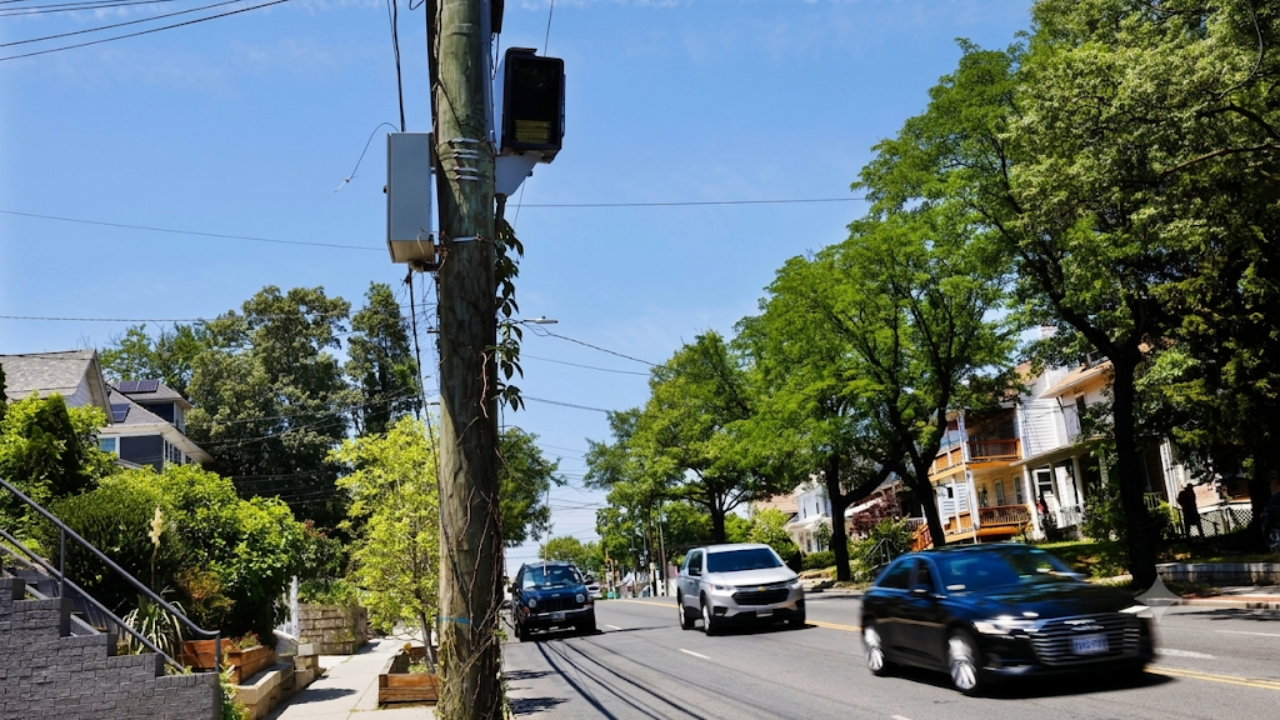
The ticket in question was issued through Washington, D.C.’s extensive speed camera system, which is widely used across the city to enforce speed limits in residential areas, school zones, and high-traffic corridors. These cameras are designed to automatically detect speeding vehicles and issue fines without requiring a police officer to be physically present.
However, the lawyer’s decision to challenge the citation demonstrates that these automated systems are not immune from legal scrutiny. By carefully reviewing the evidence and the circumstances of the ticket, the lawyer was able to identify issues that ultimately led to the dismissal of the $100 fine.
The case has drawn attention among drivers and legal observers because it provides a rare example of successfully contesting a speed camera citation in a system where most fines are typically paid without dispute.
How the Lawyer Built the Case Against the Ticket
The legal challenge began when the lawyer reviewed the details of the citation, including the location, timing, photographic evidence, and recorded speed. Automated speed camera systems rely heavily on technology to capture violations, but they must still meet strict evidentiary and procedural requirements.
In preparing the defense, the lawyer analyzed whether the camera was properly calibrated, whether signage in the area clearly indicated enforcement zones, and whether the citation complied with local administrative rules. Any inconsistency in these areas can potentially weaken the validity of a traffic ticket.
The lawyer also examined whether the vehicle identification and recorded speed could be conclusively attributed to the cited driver. In automated enforcement cases, ownership of the vehicle is often sufficient for issuing a ticket, but legal challenges can arise when the evidence does not clearly establish responsibility under specific statutory requirements.
Ultimately, the challenge focused on ensuring that all legal standards governing automated traffic enforcement were properly followed. The court’s decision to side with the lawyer indicates that at least one aspect of the citation did not fully meet the required legal threshold.
Why DC Speed Camera Tickets Are Often Contested
Washington, D.C. operates one of the most extensive automated traffic enforcement systems in the United States, with hundreds of speed and red-light cameras placed throughout the city. These systems are intended to improve road safety, reduce speeding, and lower accident rates, particularly in areas with high pedestrian activity.
However, the system has also faced criticism from some drivers and legal advocates who argue that automated enforcement can sometimes prioritize revenue generation over fairness. Concerns often include issues such as unclear signage, technical errors, or insufficient review before tickets are issued.
Despite these criticisms, speed cameras remain widely supported by city officials and public safety advocates, who point to data suggesting reductions in speeding and traffic-related injuries in areas where cameras are deployed.
Legal experts note that while challenging a ticket is possible, success often depends on identifying specific procedural or evidentiary flaws rather than disputing the existence of the violation itself. This makes cases like the lawyer’s win relatively uncommon but legally significant.
The outcome of this case highlights that even automated systems must operate within strict legal frameworks and remain open to judicial review when contested.
What the Case Means for Drivers and Future Challenges
The lawyer’s successful challenge may encourage other drivers to more closely examine their own traffic citations rather than automatically paying fines. While not every ticket will be eligible for dismissal, the case demonstrates that legal pathways exist to dispute automated enforcement penalties.
Traffic law specialists suggest that drivers who believe they have been wrongly cited should carefully review all documentation, including photos, timestamps, speed readings, and location data. In some cases, errors in any of these elements can form the basis of a successful appeal.
The case also reinforces the importance of transparency in automated enforcement systems. As cities increasingly rely on technology to manage traffic compliance, ensuring accuracy and fairness becomes critical to maintaining public trust.
For Washington, D.C., the ruling does not invalidate the broader speed camera program, but it does serve as a reminder that enforcement systems must adhere strictly to legal standards. Future challenges may continue to test the boundaries of automated traffic enforcement laws.
DC Speed Camera Case Overview
| Detail | Information |
|---|---|
| Location | Washington, D.C. |
| Fine Amount | $100 |
| Enforcement Type | Automated Speed Camera |
| Case Outcome | Ticket Dismissed |
| Challenger | Washington, D.C. Lawyer |
| System Type | Automated Traffic Enforcement |
| Key Issue | Legal and Procedural Validity |
| Broader Context | Citywide Speed Camera Program |
| Legal Significance | Demonstrates Viability of Challenges |
| Public Impact | Encourages Review of Traffic Citations |
The dismissal of a $100 DC speed camera ticket after a legal challenge highlights that even automated traffic enforcement systems are subject to legal review. While such systems are widely used to improve road safety and enforce compliance, they must still operate within strict procedural and evidentiary standards.
The lawyer’s victory serves as an important reminder that drivers have the right to contest citations if they believe errors or inconsistencies exist. Although most speed camera tickets are typically paid without dispute, this case shows that careful legal analysis can sometimes lead to successful outcomes.
As cities continue to expand automated enforcement technologies, balancing efficiency, fairness, and transparency will remain essential. This case adds to the ongoing conversation about how technology and law intersect in modern traffic regulation and underscores the importance of accountability in automated systems.
FAQ’s:
Can speed camera tickets be challenged in Washington, D.C.?
Yes. Drivers can contest tickets if they believe there are errors or legal issues with the citation.
What was the fine amount in this case?
The ticket was for $100.
Why did the lawyer win the case?

The court found issues with the citation that made it legally contestable, leading to dismissal.
Are DC speed cameras widely used?
Yes. Washington, D.C. uses a large network of automated speed and traffic cameras.
Does this case mean all speed camera tickets can be dismissed?
No. Each case depends on its specific facts, evidence, and legal circumstances.