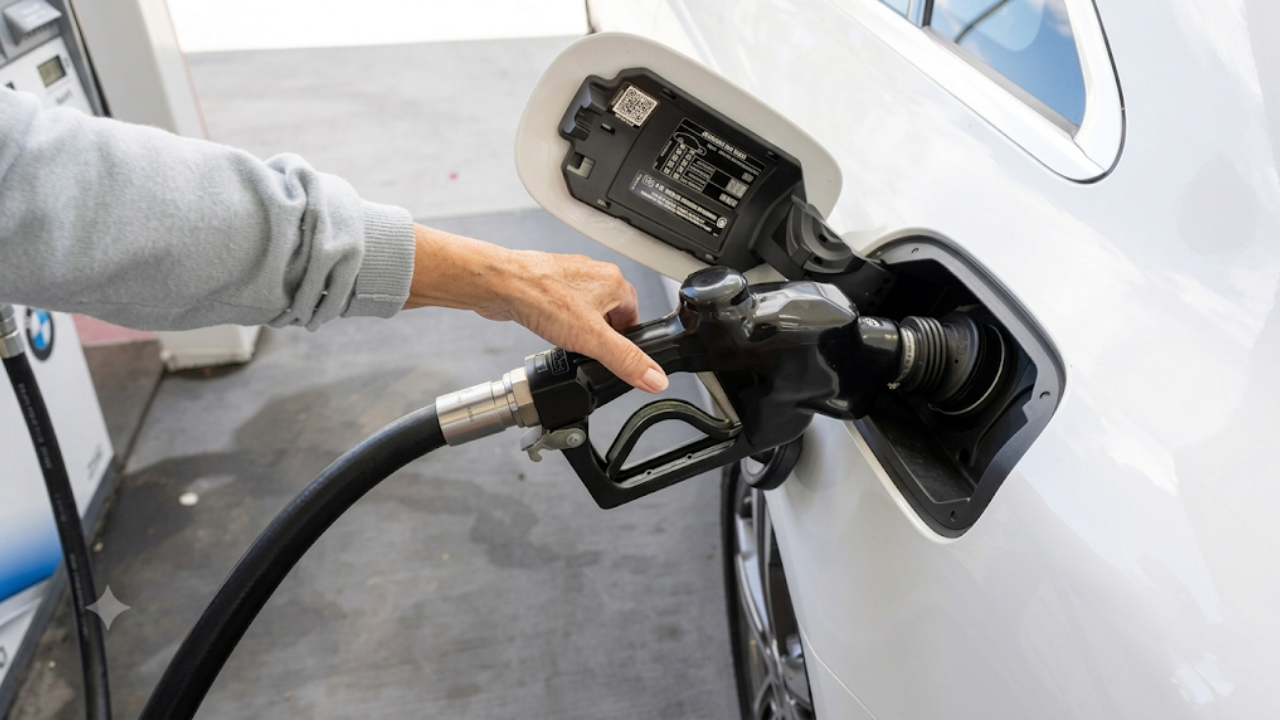
SACRAMENTO, California — California transportation officials are exploring a new way to fund the state’s roads and highways as gasoline tax revenue continues to decline. One proposal under discussion would replace or supplement the traditional gas tax with a road usage charge that considers not only how many miles a vehicle travels but also how much it weighs. The concept reflects changing transportation trends as more drivers switch to electric and fuel-efficient vehicles that contribute less in fuel taxes despite continuing to use public roads.
For decades, California has relied heavily on gasoline and diesel taxes to pay for highway maintenance, bridge repairs, and transportation improvements. However, increasing adoption of electric vehicles (EVs), hybrids, and more fuel-efficient cars has reduced fuel consumption, creating long-term concerns about maintaining stable transportation funding. Officials believe a mileage-based system, combined with vehicle weight, may provide a fairer method of ensuring all drivers contribute toward infrastructure costs.
Transportation experts note that heavier vehicles generally place greater stress on pavement, bridges, and road surfaces than lighter vehicles. By incorporating vehicle weight into a future road charge, policymakers hope to better align user fees with the wear vehicles cause to public infrastructure while creating a sustainable funding model for California’s transportation network.
Although discussions are ongoing, no statewide replacement has been finalized. State officials continue evaluating economic impacts, administrative challenges, privacy considerations, and public feedback before deciding whether to pursue legislative action.
Why California Is Considering Replacing the Gas Tax
California’s fuel tax has traditionally served as one of the primary funding sources for transportation infrastructure. Every gallon of gasoline purchased generates revenue that helps maintain roads, repair bridges, improve highways, and support various transportation programs. As gasoline consumption falls due to cleaner vehicles and changing driving habits, that revenue stream has become increasingly unreliable.
Electric vehicles illustrate the challenge. While EV owners use public roads just like gasoline-powered vehicles, they purchase little or no fuel, meaning they contribute less through traditional fuel taxes. At the same time, California has ambitious clean-energy goals encouraging greater EV adoption, further reducing projected gas tax collections over time.
Transportation planners warn that without an alternative funding mechanism, infrastructure budgets may face growing financial pressure. A road usage charge based on miles traveled—and potentially adjusted according to vehicle weight—could provide a more stable source of revenue regardless of the type of vehicle drivers choose.
Supporters argue that such a system would better reflect actual road use instead of fuel consumption, making it more adaptable to future changes in automotive technology.
How a Weight-Based Road Charge Could Work
Under concepts currently being evaluated, motorists could pay fees based primarily on the number of miles driven. Vehicle weight could serve as an additional factor because heavier vehicles generally contribute more to pavement deterioration over time. Engineers have long recognized that road wear increases significantly as vehicle weight rises, particularly for larger trucks and heavier passenger vehicles.
Several implementation methods have been discussed during policy studies. Mileage could potentially be reported through odometer readings during annual vehicle registration, certified inspections, or approved mileage-reporting technologies. Some proposals also consider optional electronic reporting systems, although privacy concerns remain an important issue in public discussions.
Officials stress that any future program would require legislative approval and extensive public consultation before implementation. Policymakers are also studying how fees could be structured to avoid disproportionately affecting rural residents, commuters, commercial fleets, or lower-income households.
Another consideration is ensuring fairness between gasoline-powered vehicles, hybrids, and electric vehicles so that all road users contribute appropriately toward maintaining public infrastructure.
Benefits, Challenges, and Public Debate
Supporters of a road usage charge believe it offers a long-term solution to declining fuel tax revenue while ensuring transportation funding remains sustainable. Because every driver uses roads regardless of fuel type, proponents argue that charging based on actual road use provides a more equitable financing model.
Including vehicle weight may also improve fairness by recognizing that larger and heavier vehicles generally impose greater maintenance costs on highways. Transportation analysts say this approach could encourage more efficient vehicle choices while better matching user payments with infrastructure impacts.
However, critics have raised several concerns. Privacy advocates question whether mileage reporting technologies could collect sensitive travel information if electronic tracking methods are used. Others worry that additional fees could increase transportation costs for families, businesses, and individuals who must drive long distances for work or essential services.
Administrative complexity represents another challenge. Developing a statewide system capable of accurately measuring mileage, verifying vehicle information, processing payments, and protecting personal data would require significant planning and investment. Lawmakers are therefore evaluating multiple policy options before making any final decisions.
Despite differing viewpoints, most experts agree that California must identify sustainable transportation funding sources as vehicle technology continues evolving.
Proposed Road Charge Overview
| Category | Details |
|---|---|
| Proposal | Road usage charge as alternative to gas tax |
| Location | Sacramento, California |
| Primary Reason | Declining fuel tax revenue |
| Key Factor | Miles driven |
| Additional Factor Under Consideration | Vehicle weight |
| Affected Vehicles | Gasoline, hybrid, and electric vehicles |
| Funding Purpose | Roads, highways, bridges, transportation infrastructure |
| Current Status | Under evaluation and policy discussion |
| Major Concerns | Privacy, fairness, implementation costs |
| Legislative Action | No final statewide approval yet |
California’s exploration of a weight-based road usage charge reflects the changing realities of modern transportation. As electric vehicles and fuel-efficient automobiles reduce traditional gasoline tax collections, policymakers are searching for funding models capable of supporting long-term infrastructure maintenance.
While incorporating vehicle weight into road charges may better account for the impact different vehicles have on public roads, numerous questions remain regarding fairness, privacy, affordability, and administration. Officials continue studying these issues while seeking input from transportation experts, lawmakers, and the public.
Any future replacement for the gas tax would likely require careful legislative review, extensive public discussion, and significant planning before implementation. Until then, California’s evaluation of alternative transportation funding methods represents an important step in preparing for an evolving automotive landscape.
FAQ’s:
1. Why is California considering replacing the gas tax?
Fuel tax revenue is declining as more drivers switch to electric and fuel-efficient vehicles that consume less gasoline.
2. How would the proposed road charge work?
Current proposals focus on charging motorists based on miles driven, with vehicle weight potentially influencing the final fee.
3. Why does vehicle weight matter?

Heavier vehicles generally cause more wear and tear on roads and bridges, increasing maintenance costs.
4. Has California approved the new road charge?
No. The proposal remains under evaluation and has not been approved for statewide implementation.
5. What are the biggest concerns about the proposal?
Key concerns include privacy, implementation costs, fairness for different types of drivers, and the overall impact on transportation expenses.