
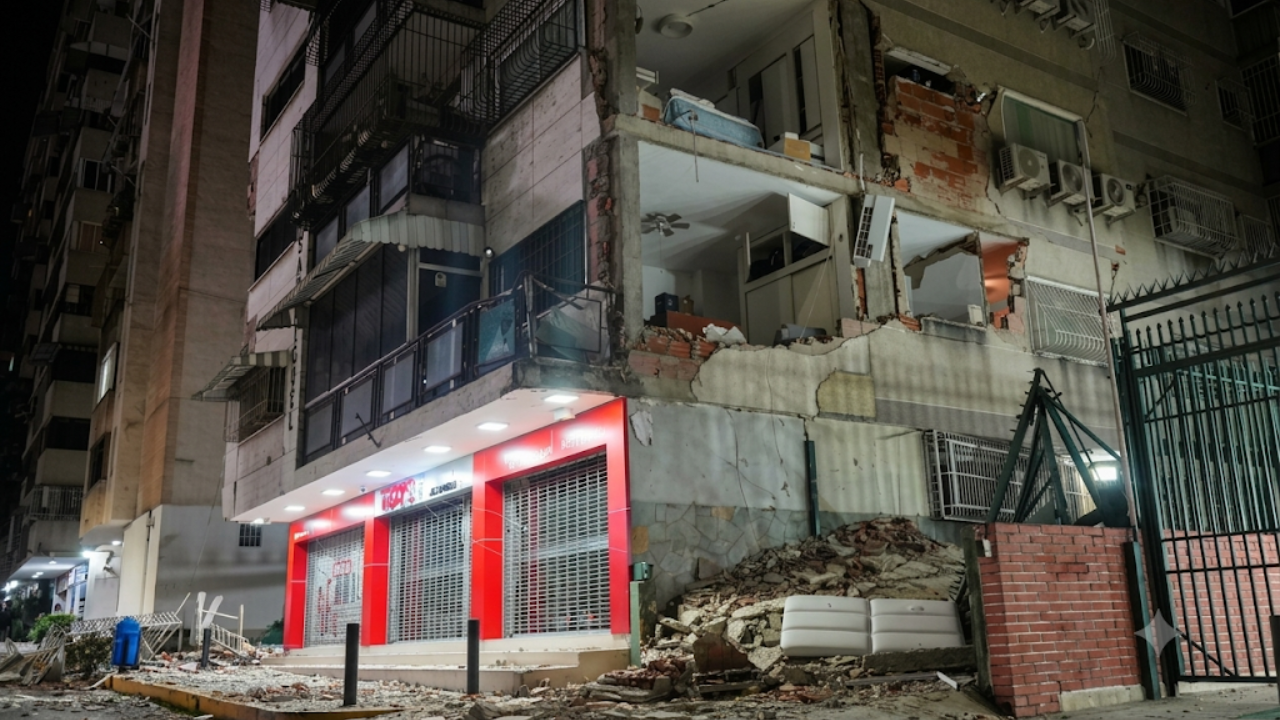
VENEZUELA / CALIFORNIA — The widespread destruction caused by a powerful earthquake in Venezuela has renewed concerns among seismologists and emergency planners about earthquake preparedness in California. While the two regions differ in geography and infrastructure, experts say the devastation underscores how quickly major seismic events can overwhelm communities that are not fully prepared for catastrophic ground shaking.
Images of collapsed buildings, damaged roads, disrupted utilities, and emergency rescue operations have highlighted the destructive power of large earthquakes. For California, which sits atop several active fault systems, the disaster serves as a reminder that a similarly powerful event could have significant consequences if aging infrastructure, vulnerable buildings, and emergency response systems are not adequately strengthened.
Scientists emphasize that earthquakes cannot be prevented or accurately predicted, but their impact can be greatly reduced through resilient construction, updated building codes, public education, and effective disaster planning. The Venezuelan earthquake has therefore become more than an international tragedy—it has also become a case study for earthquake-prone regions worldwide.
Emergency management officials have long warned that California faces an inevitable major earthquake in the future. The latest disaster abroad reinforces the importance of continued investment in preparedness before—not after—a catastrophic event occurs.
Venezuela’s Earthquake Reveals the Cost of Major Seismic Disasters
The earthquake in Venezuela caused widespread structural damage across affected communities, leaving buildings destroyed, transportation networks disrupted, and emergency crews working around the clock to search for survivors and assist displaced residents. Hospitals, schools, and public infrastructure were among the facilities impacted, illustrating how a single major earthquake can affect nearly every aspect of daily life.
Beyond the immediate destruction, earthquakes often trigger long-term humanitarian and economic challenges. Families may be displaced for months, businesses forced to close, and costly rebuilding efforts can continue for years. Recovery frequently depends on the resilience of local infrastructure and the speed of emergency response.
Experts note that while every earthquake is unique, many of the problems observed in Venezuela—damaged buildings, interrupted utilities, blocked roads, and overwhelmed emergency services—are common features of large seismic disasters worldwide.
The event also demonstrates how older structures and inadequate seismic reinforcement can dramatically increase the severity of damage, reinforcing the importance of investing in safer construction before disasters strike.
Why California Faces Similar Earthquake Risks
California is one of the most seismically active regions in North America due to its network of active faults, including the San Andreas Fault and numerous secondary fault systems. Scientists have repeatedly warned that a major earthquake remains a matter of when, not if.
Millions of Californians live, work, and attend school in areas vulnerable to strong ground shaking. Although modern building codes have significantly improved structural resilience, thousands of older buildings were constructed before current seismic standards were adopted and remain at greater risk during a large earthquake.
Critical infrastructure—including highways, bridges, hospitals, water systems, and electrical grids—has undergone extensive upgrades in many areas, but continued investment is needed to improve resilience as populations grow and infrastructure ages.
Emergency planners stress that preparedness extends beyond construction. Household emergency kits, evacuation plans, communication strategies, and community response training all play essential roles in reducing casualties and speeding recovery after major earthquakes.
Lessons for Earthquake Preparedness and Resilience
The destruction in Venezuela highlights several lessons that California officials, engineers, and residents continue to emphasize. Strong building standards remain one of the most effective ways to reduce fatalities and property damage during major earthquakes. Retrofitting older buildings is particularly important in densely populated urban areas.
Public education also remains critical. Residents are encouraged to know how to respond during an earthquake, secure heavy furniture, prepare emergency supplies, and establish family communication plans. Simple preparedness measures can significantly improve safety when seconds matter.
Governments continue investing in earthquake monitoring systems, emergency alerts, and infrastructure improvements designed to reduce disaster impacts. Advances in engineering and technology have improved resilience, but experts caution that no system can completely eliminate earthquake risks.
The Venezuelan disaster serves as a reminder that preparedness is an ongoing process rather than a one-time effort. Continuous planning, infrastructure investment, and public awareness remain essential for communities exposed to seismic hazards.
Earthquake Comparison Overview
| Category | Venezuela Earthquake | California Context |
|---|---|---|
| Region | Venezuela | California, United States |
| Hazard | Major earthquake | Ongoing seismic risk |
| Primary Impact | Building destruction, infrastructure damage | Potential for similar impacts during future major quake |
| Emergency Response | Rescue and recovery operations | Extensive preparedness and response planning |
| Infrastructure Focus | Recovery and rebuilding | Seismic retrofits and resilience upgrades |
| Public Concern | Immediate humanitarian crisis | Long-term earthquake preparedness |
| Key Lesson | Importance of resilient infrastructure | Continued investment in mitigation and readiness |
| Risk Outlook | Recovery underway | Major earthquake remains possible |
The devastating earthquake in Venezuela has once again demonstrated the immense human and economic costs that major seismic events can inflict within minutes. While every earthquake differs in magnitude, location, and geological conditions, the widespread destruction offers valuable lessons for other earthquake-prone regions.
For California, the disaster reinforces longstanding warnings from scientists and emergency planners about the importance of preparedness. Stronger buildings, resilient infrastructure, emergency planning, and public awareness remain the most effective tools for reducing future earthquake losses.
Although earthquakes cannot be prevented, their consequences can be significantly reduced through proactive investment and planning. The tragedy in Venezuela serves as a powerful reminder that communities facing seismic risks should prepare well before the next major earthquake occurs.
FAQ’s:
1. Why is the Venezuela earthquake relevant to California?
Both regions face significant seismic hazards, and the destruction in Venezuela highlights the importance of earthquake preparedness and resilient infrastructure.
2. Can California experience a similar earthquake?
Yes. California is located on several active fault systems and is expected to experience future major earthquakes, although the exact timing cannot be predicted.
3. What are the biggest lessons from the disaster?

Key lessons include strengthening infrastructure, enforcing modern building codes, improving emergency planning, and increasing public preparedness.
4. Can earthquakes be predicted?
No. Scientists cannot accurately predict when an earthquake will occur, but they can identify areas with elevated seismic risk.
5. How can residents prepare for earthquakes?
Preparing emergency kits, securing heavy furniture, creating family communication plans, and following local emergency guidance can improve safety during a major earthquake.