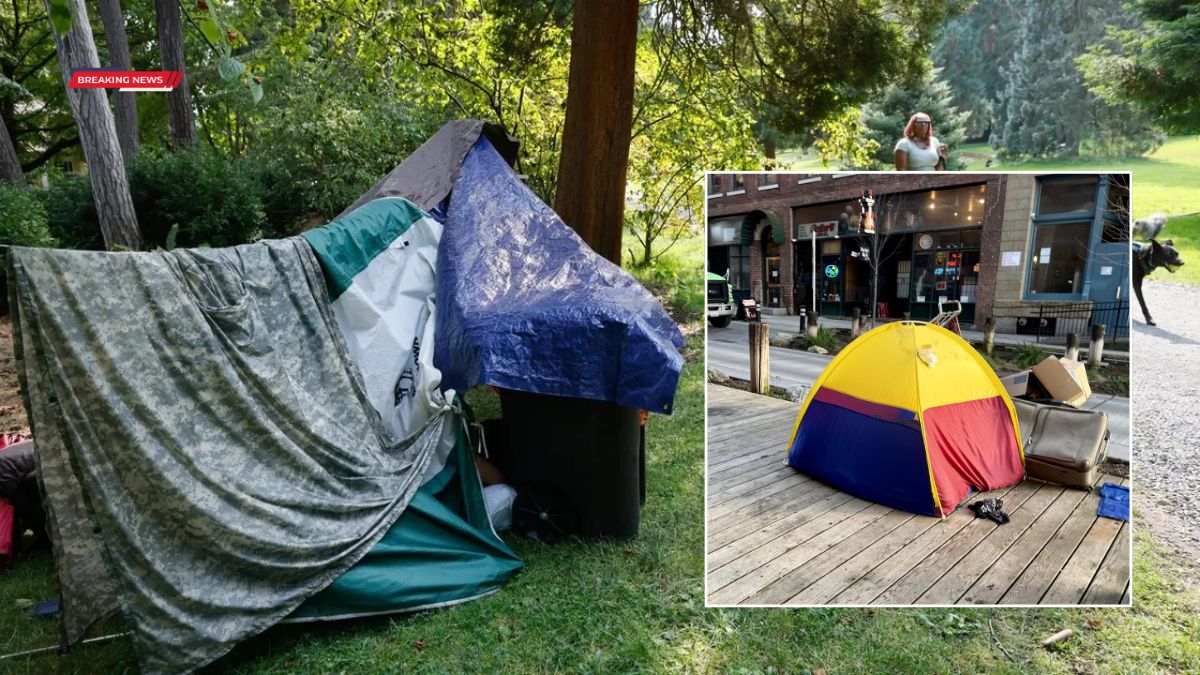
Homelessness in King County increased again, according to new data released Tuesday, showing a continued rise despite more than a decade of regional efforts to address the crisis.
A new point-in-time count estimates that 18,365 people were experiencing homelessness across the county in early 2026. That represents a 9% increase from 2024, when the count identified 16,868 people without stable housing.
The point-in-time count is a snapshot designed to measure how many people are living outside or in temporary shelter during a specific period. The most recent count was conducted between Jan. 26 and Feb. 6.
Seattle and King County declared homelessness a public emergency 11 years ago. Since then, local and regional agencies have expanded housing programs and shelter capacity, though the new data suggests those efforts have not kept pace with need.
Numbers
The latest count shows a notable rise in unsheltered homelessness.
More than 11,800 people were living unsheltered in 2026, meaning they were staying on the street or in locations not intended for sleeping, such as vehicles or abandoned buildings. That figure is up from 9,810 unsheltered people counted in 2024, an increase of nearly 21% over two years.
| Year | Total Homeless Population | Unsheltered Population |
|---|---|---|
| 2024 | 16,868 | 9,810 |
| 2026 | 18,365 | 11,800+ |
While the overall increase slowed compared with previous years, the rise in unsheltered homelessness remains significant.
Context
The King County Regional Homelessness Authority, which released the report, said the numbers suggest some stabilization compared with earlier trends. Between 2022 and 2024, the total homeless population rose 26% in just two years.
The agency noted that while overall growth has slowed, demand for housing and services continues to increase. The authority has also faced heightened scrutiny in recent months following an audit that identified years of financial management issues.
Shelter
One notable finding in the report is a decline in emergency shelter units countywide since last year. At the same time, the number of permanent supportive housing units has increased.
Officials have previously said permanent housing offers more stability than emergency shelter, but advocates warn that fewer shelter beds can leave more people outdoors in the short term.
Response
Seattle Mayor Katie Wilson pointed to broader economic pressures as major contributors to the rise in homelessness.
In a written statement, Wilson cited high housing costs and evictions as key drivers, saying current efforts are not sufficient to meet the scale of the crisis. She has proposed opening additional shelter units and accelerating housing construction as part of her administration’s response.
Outlook
The new data is likely to play a role in ongoing discussions about reforming the regional homelessness authority and reshaping how services are delivered. Policymakers will also be watching whether planned shelter expansions and housing projects translate into lower counts in future years.
For now, the latest count underscores the ongoing challenge facing King County as officials attempt to balance long-term housing solutions with immediate shelter needs.
FAQs
What is a point-in-time count?
It measures how many people are homeless during a specific period.
How many people were homeless in 2026?
An estimated 18,365 people were experiencing homelessness.
Did unsheltered homelessness increase?

Yes, the unsheltered population rose by nearly 21% since 2024.
Who released the new data?
The King County Regional Homelessness Authority released it.
What factors are driving the increase?
High housing costs and evictions were cited by local leaders.