
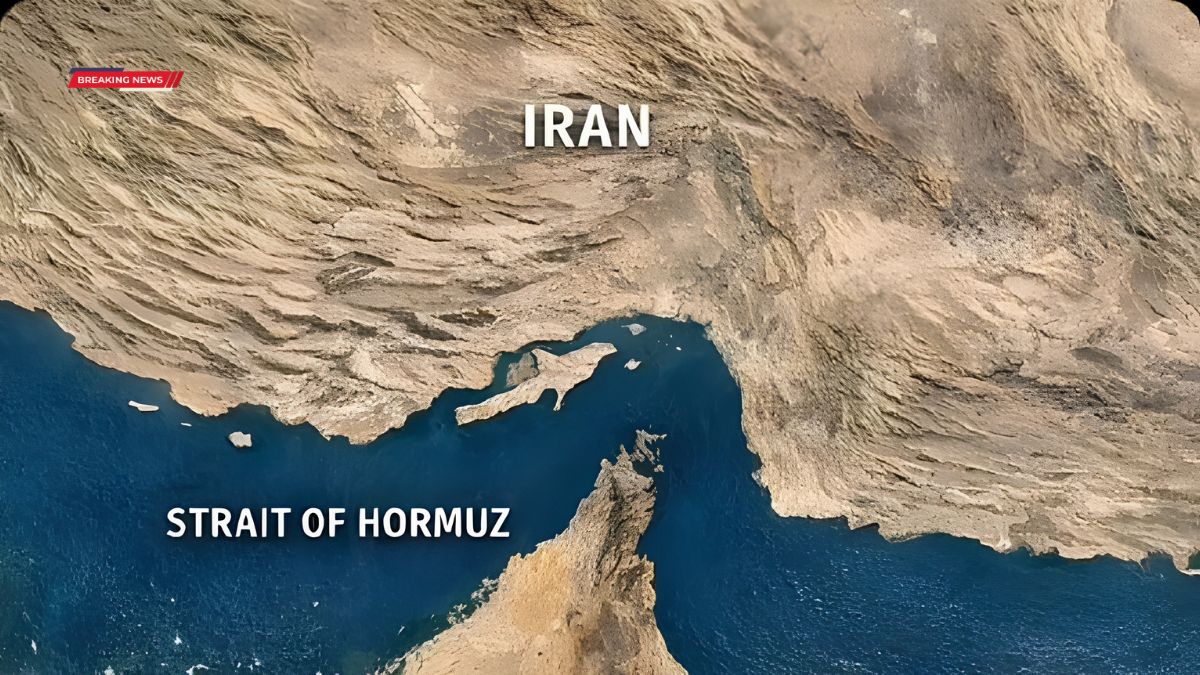
Iran announced Saturday that it intends to close the Strait of Hormuz, one of the world’s most important oil shipping routes, citing continued Israeli military strikes in Lebanon during what Tehran describes as an active ceasefire. The statement has raised concerns across global energy and diplomatic circles, even as U.S. officials insist commercial traffic through the waterway remains uninterrupted.
The Strait of Hormuz is a narrow but critical passage connecting the Persian Gulf to international markets, through which a significant share of the world’s oil supply moves each day.
Announcement
Iran’s Khatam al-Anbiya Central Headquarters, the country’s top joint military command, said the decision was made in response to Israeli strikes targeting Hezbollah in southern Lebanon. Iran backs the Lebanese militia group and accused Israel of violating a ceasefire agreement that was brokered with U.S. involvement.
In a statement reported by state broadcaster IRIB, the command said the closure was due to what it described as U.S. failure to uphold its commitments under a memorandum intended to end the conflict, as well as Israel’s continued military actions.
The statement declared that the Strait of Hormuz would be closed to vessel traffic, though it did not provide a timeline or details on enforcement.
Context
The announcement comes shortly after former President Trump signed a framework agreement with Iran authorizing the reopening of the strait following disruptions earlier in the conflict. Previous closures or threats to the waterway have led to sharp increases in global energy prices and supply concerns.
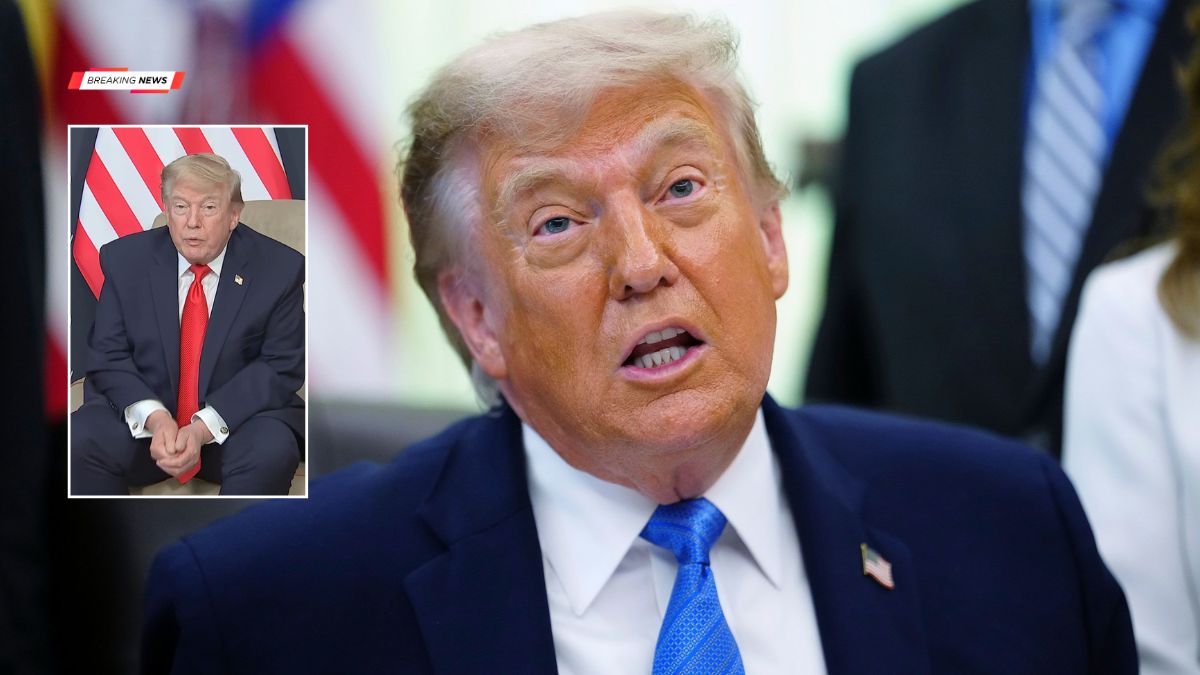
Speaking Friday at Joint Base Andrews, Trump said maritime traffic through the strait had surged, suggesting conditions had largely returned to pre-war levels.
Vice President Vance echoed that assessment in a Saturday interview with Fox News, stating that approximately 16 million barrels of oil passed through the strait in the previous 24 hours.
U.S. Response
Following Iran’s statement, U.S. Central Command said commercial shipping through the Strait of Hormuz had increased on Saturday, supported by U.S. military presence in the region.
In a statement shared on social media, Centcom said safe passage through the strait remained intact and that U.S. forces were actively monitoring compliance with agreements involving Iran.
The White House has not yet issued a formal response. The Hill reported it had reached out for comment.
Diplomatic Talks
Iran’s announcement coincides with renewed diplomatic activity in Europe. U.S. officials confirmed that a delegation is in Switzerland ahead of technical-level talks scheduled for Sunday aimed at reaching a peace agreement to end the war.
Vice President Vance said U.S. special envoy Steve Witkoff and Jared Kushner are participating in the discussions. Pakistan’s foreign ministry, which has helped mediate talks between Washington and Tehran, said officials from Qatar will also attend meetings in Bürgenstock.
Iranian Foreign Ministry spokesperson Esmaeil Baqaei confirmed that Foreign Minister Abbas Araghchi is traveling to Switzerland with an Iranian delegation to take part in the negotiations.
Significance
The Strait of Hormuz plays a central role in global energy markets. Any disruption or uncertainty surrounding access to the waterway can have immediate economic effects well beyond the region.
While Iran’s statement suggests escalation, U.S. officials maintain that shipping activity remains stable for now. Observers say the coming days of negotiations may determine whether the announcement becomes a broader geopolitical flashpoint or remains a pressure tactic tied to ongoing talks.
FAQs
Why is the Strait of Hormuz important?
It carries a large share of global oil shipments.
Did Iran say when the strait would close?
No specific timeline was provided.
What is the U.S. military saying?

Shipping traffic remains active and secure.
Are diplomatic talks underway?
Yes, talks are scheduled in Switzerland.
Has shipping stopped so far?
U.S. officials say it has not.













Ariana Grande Plans Break From Public Spotlight After Tour Amid Ongoing Scrutiny