
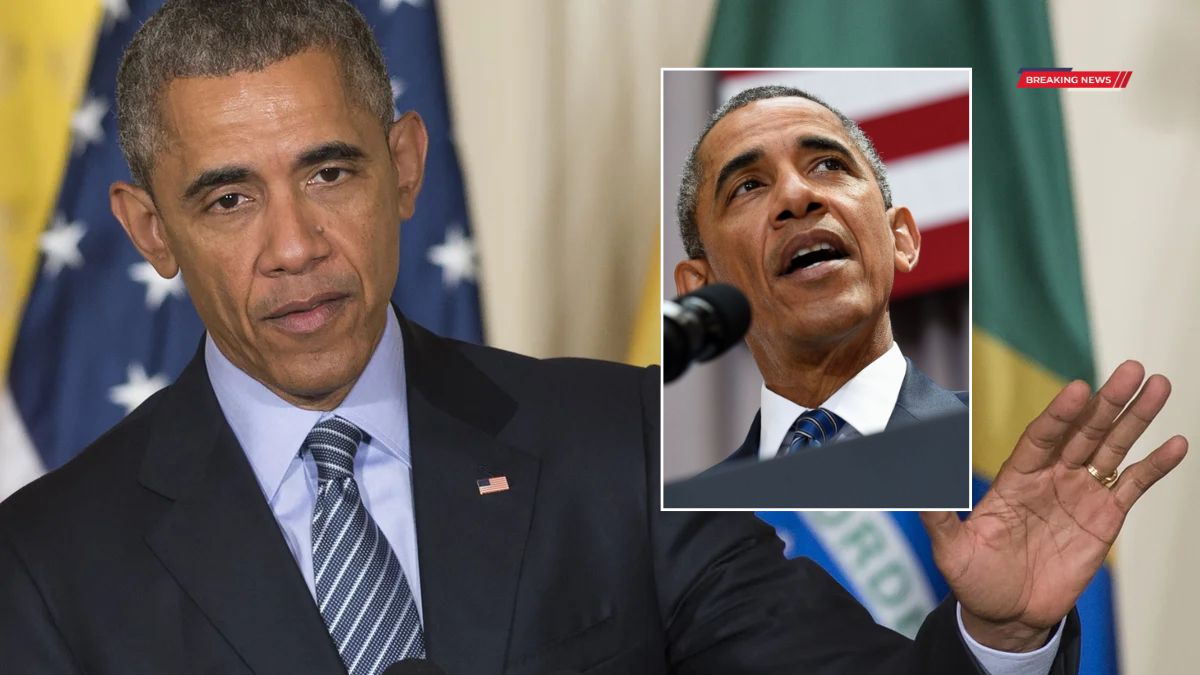
Former President Barack Obama said the United States may be “worse off” than it was before the Iran war began, criticizing the long-term costs and outcomes of the conflict during an interview that aired Friday. His comments come amid renewed political debate over U.S. strategy toward Iran and the future of nuclear negotiations.
Interview
Speaking on NBC’s “Today” show with anchor Craig Melvin, Obama questioned the effectiveness of the war effort, pointing to its financial costs, military strain, and human toll.
He said that despite years of conflict and significant spending, the situation appears to have returned to its starting point, with limited strategic gain.
Context
Obama’s remarks came ahead of the public opening of his presidential library in Chicago, which began welcoming visitors Friday following a formal ceremony the previous evening.
The museum includes exhibits focused on his administration’s foreign policy, including the Iran nuclear agreement known as the Joint Comprehensive Plan of Action (JCPOA), which remains a central point of political debate.
Nuclear Deal
Obama criticized the Trump administration’s decision during its first term to withdraw from the JCPOA in 2018. He suggested that the collapse of the agreement contributed to renewed tensions and increased nuclear activity by Iran.
He said the original deal had been designed to limit Iran’s nuclear development in exchange for sanctions relief and international oversight.
Current Diplomacy
The comments come as President Trump’s administration pursues a new framework agreement with Iran. A memorandum of understanding signed this week is intended to guide further technical negotiations aimed at reducing tensions and reopening key shipping routes such as the Strait of Hormuz.
The proposed arrangement has drawn mixed reactions, with some Republican lawmakers expressing concern about provisions involving sanctions relief and a potential reconstruction fund.
Political Reaction
Several GOP lawmakers have voiced skepticism about the emerging agreement, with some arguing it could resemble earlier diplomatic efforts they opposed. Others have emphasized the need for stricter limits on Iran’s nuclear capabilities.
Sen. Joni Ernst said she did not want to see a “JCPOA 2.0,” reflecting ongoing divisions within the Republican Party over how to approach Iran policy.
Administration Position
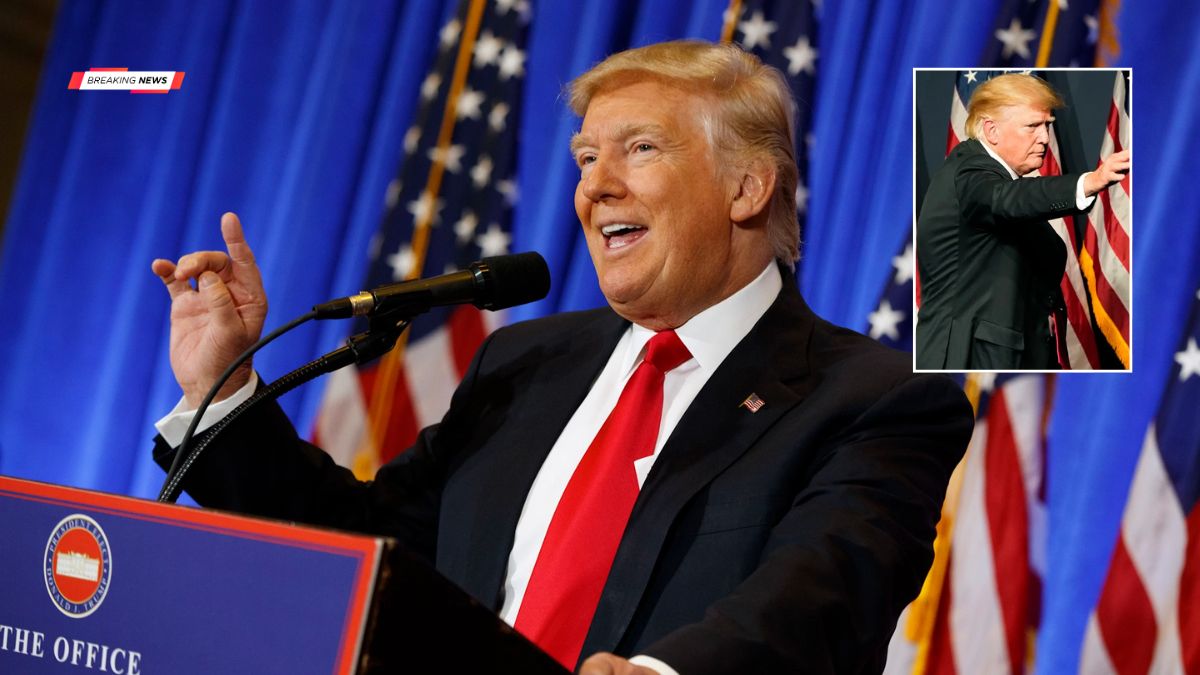
President Trump defended the framework agreement, saying it achieved key objectives including what he described as “unconditional surrender” from Iran. He also rejected criticism regarding sanctions relief, insisting no financial concessions would be made.
In public remarks and social media posts, Trump said Iran entered negotiations from a position of weakness and emphasized that the administration would continue to enforce pressure over the coming months.
Broader Debate
The exchange highlights continued partisan divisions over U.S. foreign policy in the Middle East, particularly regarding diplomacy versus sanctions-driven pressure strategies.
Supporters of the JCPOA-era framework argue that structured agreements reduce nuclear risk, while critics contend that such deals fail to ensure long-term compliance.
The situation remains fluid as negotiations continue and political debate intensifies in Washington.
Outlook
Future talks between the U.S. and Iran are expected to focus on technical implementation details and broader regional security issues. The outcome of these negotiations is likely to remain a key foreign policy issue in the months ahead.
Obama’s comments add a renewed historical perspective to the debate, underscoring ongoing disagreements over the legacy of past agreements and the direction of current policy.
FAQs
What did Obama say about the Iran war?
He said the US may be worse off after the conflict.
Why was Obama interviewed?
He spoke ahead of his presidential library opening.
What is the JCPOA?
The Iran nuclear agreement brokered during Obama’s presidency.
What is the US doing now with Iran?
The US is pursuing a new framework agreement and talks.
What is the political divide?
Debate continues over diplomacy versus sanctions pressure.


Ariana Grande Plans Break From Public Spotlight After Tour Amid Ongoing Scrutiny