
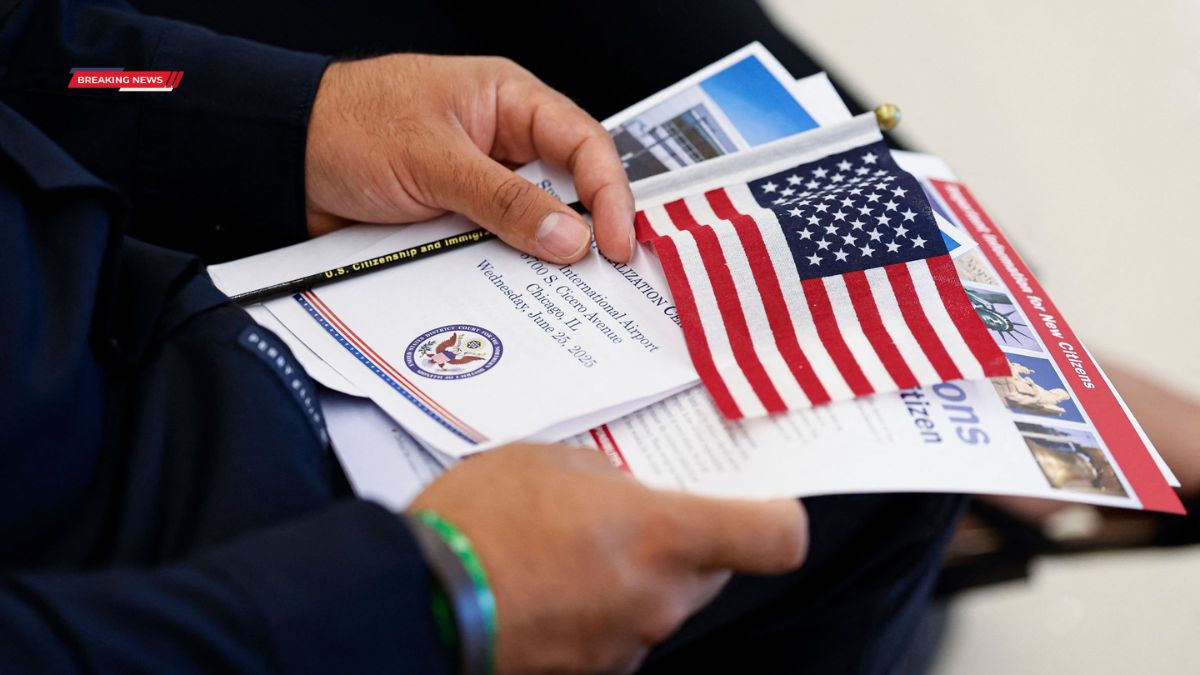
The Trump administration is significantly expanding its use of denaturalization, with the Justice Department planning to pursue the revocation of U.S. citizenship for more than 250 naturalized Americans by the end of the current fiscal year, according to a senior department official.
The effort represents an unprecedented increase in the use of a legal power that allows the federal government to strip citizenship from individuals who are found to have obtained it illegally or through fraud.
Plan
A Justice Department official told CBS News that prosecutors intend to file at least 250 denaturalization cases in federal courts nationwide during fiscal year 2026, which ends Sept. 30. Several dozen cases have already been filed in recent weeks.
While the cases would affect only a small fraction of the estimated 24 million naturalized citizens living in the United States, legal experts note the scale of the effort marks a sharp departure from past practice. Between 1990 and 2017, the federal government filed an average of about 11 denaturalization cases per year.
CNN first reported the administration’s plan.
Authority
Federal law has long permitted the Justice Department to seek denaturalization when evidence shows citizenship was obtained unlawfully or through material misrepresentation, such as concealing criminal activity during the naturalization process.
The process, however, is complex and requires prosecutors to prove their case before a federal judge. Historically, denaturalization has been used sparingly and typically reserved for individuals involved in serious crimes, including human rights violations, war crimes or violent felonies.
Shift
Last year, the Trump administration expanded the categories of cases prioritized for denaturalization, signaling a broader approach to enforcement. The current push is part of a wider effort to tighten legal immigration and increase scrutiny of past immigration filings.
Justice Department officials have not publicly detailed all the criteria being used to select cases but have emphasized allegations of fraud or illegal procurement of citizenship.
Consequences
Individuals targeted in denaturalization proceedings have the right to challenge the government’s claims in court. If the government prevails, the individual loses U.S. citizenship and the rights that come with it.
Those affected typically revert to their prior immigration status, often lawful permanent resident, and may then face deportation proceedings to their country of origin.
The administration has described the effort as a necessary enforcement of existing law, while critics have raised concerns about its scale and potential chilling effects on immigrant communities.
FAQs
What is denaturalization?
It is the legal process of revoking U.S. citizenship.
How many cases are planned?
The Justice Department aims to file about 250 cases.
Who can be targeted?

Naturalized citizens accused of fraud or illegal citizenship.
Has this been done before?
Yes, but far less frequently than now.
What happens if citizenship is revoked?
The person loses citizenship and may face deportation.














Ariana Grande Plans Break From Public Spotlight After Tour Amid Ongoing Scrutiny