
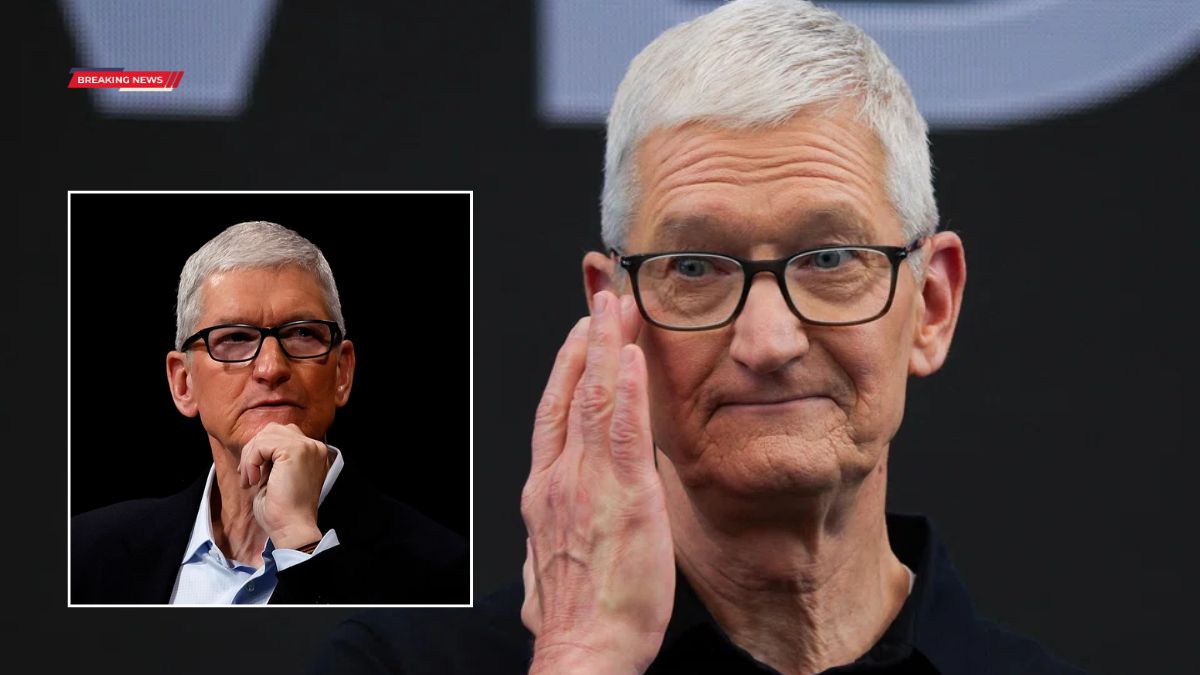
Apple CEO Tim Cook says higher prices for Apple devices are unavoidable as the global shortage of computer memory and storage chips intensifies, driven largely by surging demand from artificial intelligence companies.
In an interview with The Wall Street Journal published Wednesday, Cook said the pressure on memory supply is unlike anything he has seen in decades.
“I’ve never seen anything like it in any area in over 40 years,” Cook said, comparing the situation to a “hundred-year flood.”
Supply
Cook said AI companies’ growing appetite for memory and storage chips has disrupted the supply chain for consumer electronics manufacturers, including Apple. The shortage has driven up component costs and made it increasingly difficult for companies to absorb those increases without passing them on to customers.
“Unfortunately, price increases are unavoidable,” Cook told the Journal. “We’re doing our best to mitigate the huge increases that are being passed to us, and we’ve been trying to shield our customers from the increases, but the situation has become unsustainable.”
Cook did not specify which Apple products would be affected or when price increases would take effect. Apple is expected to launch its next iPhone lineup later this year.
Impact
Cook said the higher cost of memory and storage chips has made it harder for Apple to maintain profit margins. The issue comes as the company prepares for a leadership transition, with Cook scheduled to step down as CEO on Sept. 1.
While Apple has not announced specific pricing changes, research firm TechInsights estimates that the upcoming iPhone Pro 19 could see its cost rise by more than $200, potentially bringing the device’s price to around $1,299, according to The Wall Street Journal.
“There’s less supply at a time when consumers want devices and memory guys are passing along huge price increases,” Cook said. “We definitely need memory pricing and supply to return to reasonable levels for consumer products.”
Market
Analysts say the chip shortage reflects a broader shift in the technology market. Shawn Kim, head of Morgan Stanley’s Europe and Asia technologies research, described the trend as “chipflation,” where memory chips stop getting cheaper over time and instead become more expensive and scarce.
“Memory prices have risen more than sixfold over the last year,” Kim said during a June 8 episode of Morgan Stanley’s “Thoughts on the Market” podcast.
Kim said demand from AI data centers has created a two-tiered market. Large cloud and AI companies can secure long-term supply agreements, while traditional buyers such as smartphone and PC manufacturers must compete for limited inventory.
Outlook
Kim warned that by 2027, PC makers could face a 15% shortfall in memory chips, equivalent to about 58 million PCs. Smartphone manufacturers could see a 12% shortfall, affecting an estimated 134 million devices.
“Companies may have to raise prices, cut specifications, delay launches and accept lower profits,” Kim said.
Despite supply constraints, the memory chip market is projected to grow rapidly. Analysts estimate it could reach $890 billion by the end of this year, up from about $220 billion in 2025, fueled largely by AI-related demand.
“AI has turned memory from the cheapest part of the digital economy into one of its most contested resources,” Kim said. “These tiny chips may now decide what gets built or delayed and how much consumers ultimately pay.”
FAQs
Why is Apple raising prices?
Due to rising costs from a global memory chip shortage.
Which Apple products will be affected?
Apple has not specified which devices will see price increases.
What is causing the chip shortage?

High demand from artificial intelligence and cloud companies.
When will prices increase?
Apple has not announced a specific timeline.
How big is the memory chip market now?
It is expected to reach about $890 billion this year.















Ariana Grande Plans Break From Public Spotlight After Tour Amid Ongoing Scrutiny