
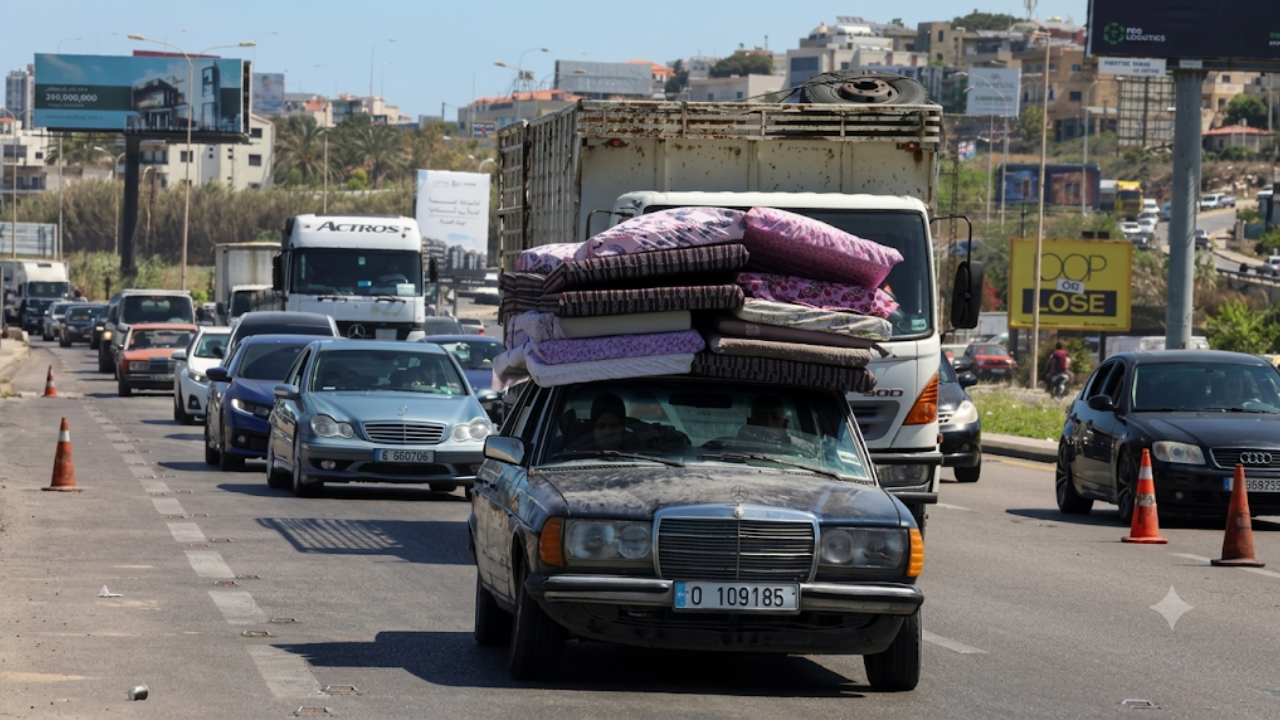
LEBANON — Fighting in southern Lebanon has eased following a United States–Iran agreement aimed at reducing regional hostilities, bringing a temporary sense of relief to areas that have experienced months of intense conflict. However, authorities and security officials have strongly warned displaced residents not to rush back to their homes, citing continued instability and unresolved military risks on the ground.
The easing of hostilities comes after a prolonged period of violence involving cross-border clashes, airstrikes, and widespread displacement affecting over a million people in Lebanon. While the recent diplomatic breakthrough has reduced active fighting in several areas, the situation remains highly fragile, with sporadic incidents still reported in some regions.
Officials emphasize that although the ceasefire has reduced large-scale combat operations, the security environment is not yet stable enough for safe civilian returns.
How the US-Iran Deal Changed the Situation on the Ground
The US-Iran agreement is being credited with helping reduce the intensity of fighting in Lebanon, particularly in the south, where most of the recent conflict activity had been concentrated. Following the announcement, military operations eased significantly, and some displaced families began to cautiously assess conditions in their hometowns.
The deal is understood to be part of a broader diplomatic effort to de-escalate regional tensions involving Iran-backed groups and opposing military forces in Lebanon and neighboring territories. While the agreement has not completely ended hostilities, it has contributed to a noticeable reduction in airstrikes and ground confrontations in certain areas.
Despite the improvement, officials note that the ceasefire remains fragile and dependent on continued compliance from multiple armed actors. There are also concerns that violations or isolated incidents could quickly escalate tensions again.
Reports indicate that even after the ceasefire announcement, isolated incidents such as drone strikes and localized clashes have continued, reinforcing concerns that the conflict is not fully resolved.
Why Displaced Residents Are Being Told Not to Return
Lebanese authorities and humanitarian officials have urged displaced residents not to rush back to their homes, warning that many areas remain unsafe despite the reduction in fighting. The primary concern is that military forces have not fully withdrawn, and unexploded ordnance or damaged infrastructure could pose serious risks.
Large portions of southern Lebanon have suffered extensive destruction during the conflict, including damaged housing, roads, and essential services such as electricity and water supply. In some areas, entire neighborhoods remain inaccessible or unsafe for habitation.
Officials also warn that the security situation remains unpredictable, with the possibility of renewed strikes or clashes if the ceasefire collapses. In previous phases of the conflict, temporary pauses in fighting have been followed by renewed escalation, making authorities cautious about encouraging immediate returns.
Humanitarian organizations are currently assessing conditions in affected areas to determine when safe resettlement can begin. Until then, displaced families are being advised to remain in temporary shelters or host communities.
Impact on Communities and Ongoing Humanitarian Concerns
The conflict has had a severe humanitarian impact across Lebanon, with widespread displacement, damaged infrastructure, and disrupted livelihoods. Many families have been away from their homes for extended periods, relying on temporary accommodation and aid support.
Even as fighting has eased, the process of recovery is expected to take significant time due to the scale of destruction. Reconstruction of homes, schools, and essential services will be necessary before large-scale returns can safely occur.
Local communities in southern Lebanon are particularly affected, as many villages lie close to areas of past military activity. Residents attempting to return for brief visits have reportedly encountered destroyed homes and hazardous conditions, reinforcing official warnings.
Humanitarian agencies continue to coordinate with local authorities to provide assistance, assess damage, and prepare for eventual resettlement plans once conditions stabilize further.
Key Facts About the Lebanon Situation
| Category | Details |
|---|---|
| Location | Lebanon (primarily southern regions) |
| Trigger | US-Iran diplomatic agreement reducing hostilities |
| Current Status | Reduced fighting, fragile ceasefire conditions |
| Displaced Population | Over 1 million affected during conflict |
| Government Advisory | Do not rush to return home |
| Security Concerns | Unexploded ordnance, sporadic strikes, troop presence |
| Infrastructure Damage | Severe in multiple southern المناطق |
| Humanitarian Focus | Shelter, aid distribution, damage assessment |
| Risk Level | Still unstable despite reduced fighting |
| Outlook | Dependent on continued ceasefire compliance |
While the US-Iran agreement has contributed to a reduction in fighting in Lebanon, the situation on the ground remains uncertain and fragile. Authorities continue to caution displaced residents against returning home prematurely, emphasizing that safety conditions have not yet fully stabilized.
The easing of hostilities offers hope for long-term de-escalation, but continued risks—including sporadic violence, damaged infrastructure, and unresolved military presence—mean that recovery will take time. Humanitarian agencies and government officials are now focused on maintaining stability and preparing for eventual safe returns.
For now, Lebanon stands in a delicate transitional phase between active conflict and uncertain peace, where caution remains essential despite the apparent calm.
FAQ’s:
Why has fighting decreased in Lebanon?
Fighting has eased following a US-Iran agreement aimed at reducing regional hostilities.
Is it safe for displaced people to return home?
Authorities are advising displaced residents not to return yet due to ongoing risks.
What risks remain in affected areas?

Risks include unexploded ordnance, damaged infrastructure, and possible renewed clashes.
How many people were displaced?
More than one million people were displaced during the conflict.
Is the ceasefire permanent?
No, the situation remains fragile and depends on continued compliance by all parties.
















Ariana Grande Plans Break From Public Spotlight After Tour Amid Ongoing Scrutiny