
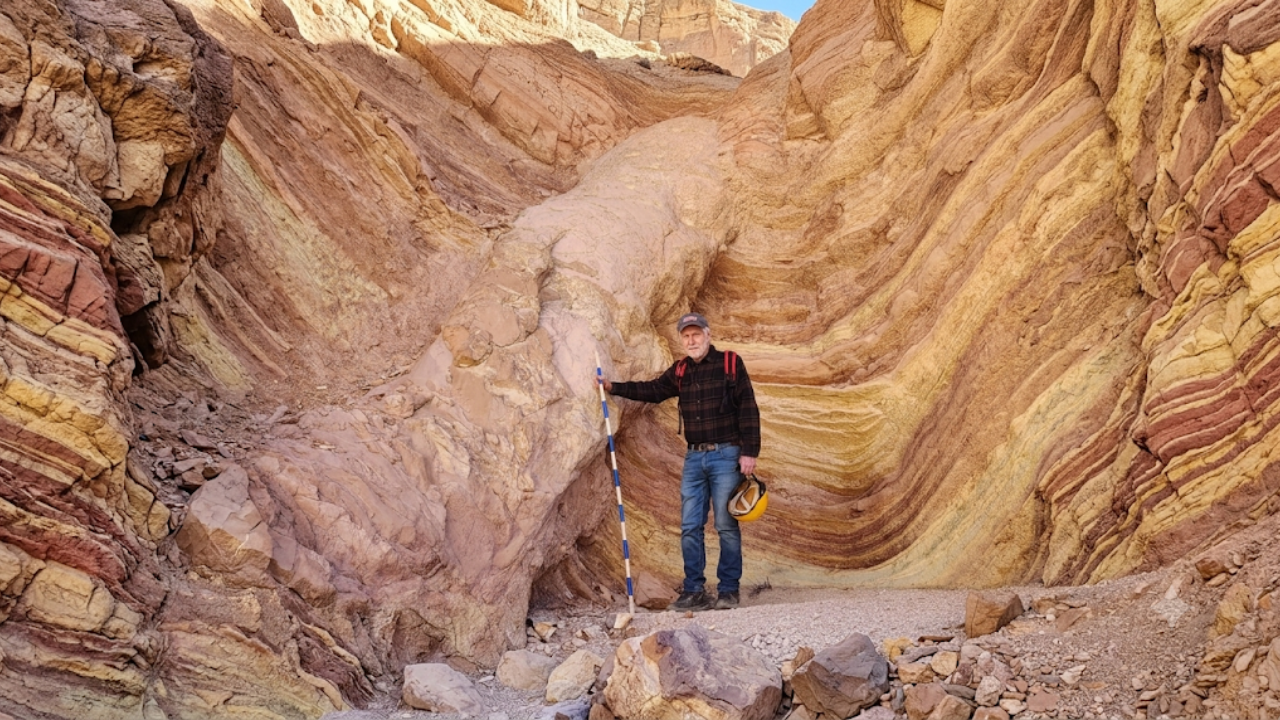
LAS VEGAS, Nevada — A recent rattling sensation felt across parts of Las Vegas has served as a stark reminder that the city sits within an active earthquake zone, raising renewed awareness about seismic risks in Southern Nevada. While the tremor did not cause major damage or injuries, it was strong enough to be noticed by residents in multiple areas, prompting discussions about earthquake preparedness and regional geology.
Seismologists note that Nevada is one of the most seismically active states in the western United States, with hundreds of small earthquakes recorded each year. Although many of these events go unnoticed, occasional stronger tremors can be felt in populated areas such as Las Vegas, which lies near several fault lines.
The recent shaking has prompted experts and local officials to emphasize the importance of preparedness, even in regions where major earthquakes are considered less frequent compared to California.
Why Las Vegas Is in an Earthquake Zone
Las Vegas is located in Southern Nevada, a region influenced by complex tectonic forces associated with the Basin and Range Province. This geological area is characterized by stretching of the Earth’s crust, which creates numerous faults capable of producing earthquakes.
One of the key factors contributing to seismic activity in the region is the movement along normal faults, where sections of the Earth’s crust shift vertically. These faults are spread across Nevada and neighboring states, creating a wide zone of potential seismic activity that includes areas near Las Vegas.
Although the region does not experience frequent large earthquakes compared to California’s San Andreas Fault system, it is still capable of producing moderate seismic events. Historical data shows that Nevada has experienced earthquakes strong enough to be felt across large distances, including urban centers.
Experts stress that even small tremors serve as indicators of underlying geological activity and should not be dismissed, especially in rapidly growing metropolitan areas like Las Vegas.
What Residents Experienced During the Recent Rattling
Residents across parts of Las Vegas reported feeling a brief but noticeable shaking, described as a rattling or rumbling sensation. While the duration was short, it was strong enough to cause concern among those who experienced it, particularly in residential buildings and high-rise structures.
Some individuals initially mistook the movement for construction activity or passing heavy vehicles before realizing it could be seismic in nature. Social media posts quickly reflected the shared experience, with many residents asking whether an earthquake had occurred.
Emergency response agencies did not report any damage or injuries linked to the event. However, the incident prompted renewed interest in earthquake monitoring systems and alerts in the region.
Seismologists later confirmed that the shaking was consistent with minor seismic activity in the broader Nevada region, reinforcing the reality that Las Vegas is not immune to tectonic movement despite its desert location.
Earthquake Preparedness in Southern Nevada
The recent tremor has renewed attention on earthquake preparedness measures in Las Vegas and surrounding communities. Officials emphasize that while major earthquakes are relatively rare in the area, preparedness is essential due to the unpredictable nature of seismic activity.
Residents are encouraged to secure heavy furniture, maintain emergency supply kits, and understand basic safety protocols such as “Drop, Cover, and Hold On” during shaking events. Public safety agencies also recommend that families develop communication plans in case of emergency disruptions.
Local infrastructure, including buildings and transportation systems, is generally designed with seismic considerations in mind, though older structures may not meet modern earthquake-resistance standards. This has led to ongoing discussions about updating building codes and improving resilience in vulnerable areas.
Experts also highlight the importance of public education, noting that awareness plays a critical role in reducing panic and improving response during unexpected seismic events.
Key Facts About Las Vegas Seismic Activity
| Category | Details |
|---|---|
| Location | Las Vegas, Nevada, United States |
| Event Type | Minor earthquake / seismic tremor |
| Geological Setting | Basin and Range Province |
| Risk Level | Moderate seismic risk |
| Fault Type | Normal faults across Southern Nevada |
| Impact | No reported damage or injuries |
| Public Reaction | Brief concern and social media activity |
| Expert View | Region is seismically active but less frequent than California |
| Preparedness Focus | Emergency readiness and awareness |
| Key Message | Las Vegas sits in an earthquake-prone region |
The recent rattling felt across Las Vegas serves as an important reminder that the city is located within an active seismic region, even if major earthquakes are infrequent. While no damage occurred, the event highlighted the underlying geological forces that continue to shape Southern Nevada.
Experts emphasize that preparedness remains essential, particularly as the region continues to grow and urbanize. Understanding the risks associated with living in an earthquake zone helps ensure that residents and infrastructure are better equipped to handle future seismic events.
As awareness increases following this tremor, officials and scientists continue to encourage vigilance and readiness, reinforcing that even in areas known for entertainment and tourism, natural geological risks remain an important consideration.
FAQ’s:
Was there a major earthquake in Las Vegas?
No, the recent event was a minor tremor with no reported damage or injuries.
Why does Las Vegas experience earthquakes?
Because it sits in the Basin and Range Province, a geologically active region with multiple faults.
Is Las Vegas as earthquake-prone as California?

No, but it still experiences occasional seismic activity.
What should residents do during a tremor?
Experts recommend “Drop, Cover, and Hold On” during shaking.
Are buildings in Las Vegas earthquake-safe?
Most modern structures are built with seismic standards, but older buildings may be less resistant.












Ariana Grande Plans Break From Public Spotlight After Tour Amid Ongoing Scrutiny