
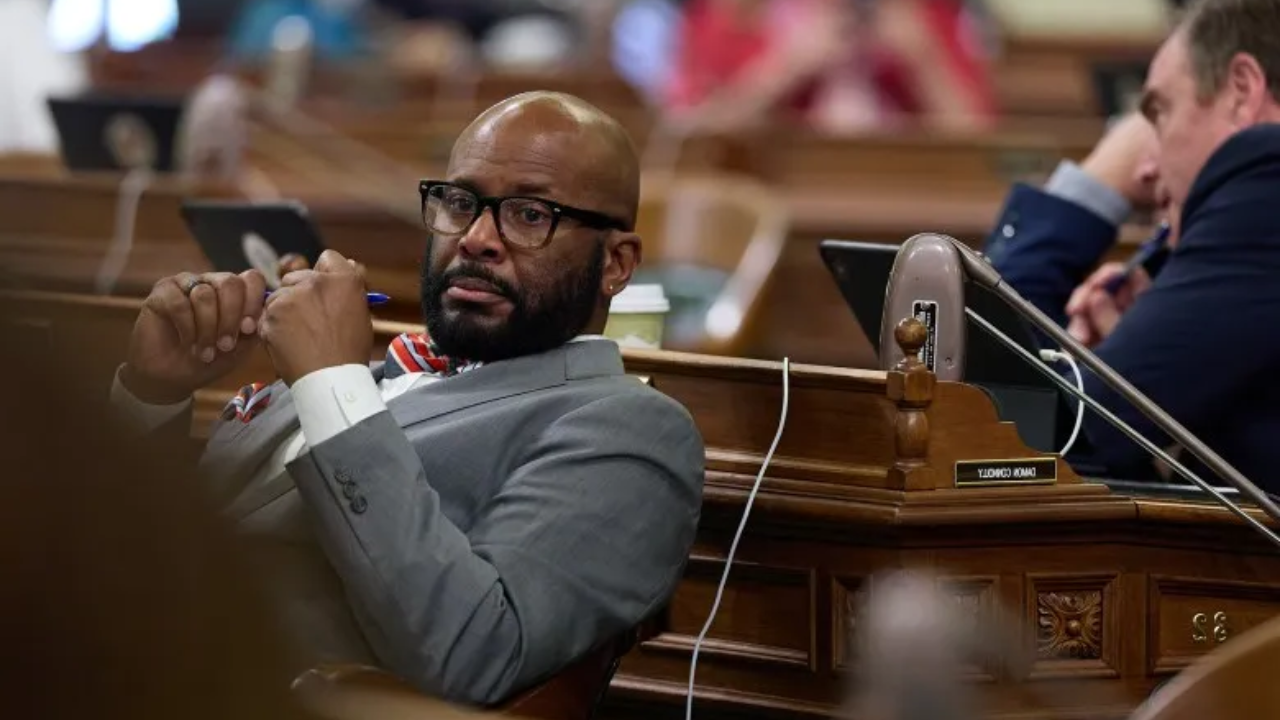
SACRAMENTO, California — The California Board of Equalization, once one of the most powerful tax agencies in the state, now holds significantly reduced authority, yet campaign donors continue to spend millions of dollars on elections for its seats. Despite reforms that stripped much of its core tax administration power years ago, the board remains an elected body that attracts substantial political contributions and outside spending.
The continued flow of campaign money into Board of Equalization races has raised questions among political analysts and good-government advocates about why donors still invest heavily in contests for a body with limited jurisdiction. The board today primarily handles specific tax oversight duties, appeals, and administrative functions, but no longer controls major statewide tax collection operations as it once did.
Even with its diminished role, the board remains part of California’s broader political structure, and its elections still receive attention from unions, business groups, and political action committees that view it as strategically relevant in shaping tax policy discussions.
What the Board of Equalization Actually Does Today
The California Board of Equalization is one of several state-level agencies involved in tax-related oversight, but its authority has been significantly reduced since major restructuring reforms transferred most tax collection responsibilities to the California Department of Tax and Fee Administration.
Today, the board primarily focuses on property tax oversight, tax appeals, and certain fee-related administrative functions. It also plays a role in ensuring consistency in county-level property tax assessments and handling disputes between taxpayers and local tax authorities.
While the agency no longer directly manages the majority of state tax revenue collection, it still serves as an appellate body for certain tax matters, making its decisions relevant to businesses and property owners involved in disputes.
Critics argue that the board’s reduced scope makes it largely administrative in nature, raising questions about why its elections continue to attract high levels of campaign spending compared to other similarly limited agencies.
Why Campaign Donors Continue Spending Millions
Despite its reduced authority, Board of Equalization elections continue to draw significant financial contributions from interest groups, political donors, and advocacy organizations. According to campaign finance tracking, millions of dollars have been spent in recent election cycles on board races, including candidate campaigns and independent expenditures.
Political analysts suggest several reasons for this continued spending. One key factor is that donors often view any tax-related agency, even one with limited power, as strategically important for maintaining influence over broader fiscal policy debates. Because board members still engage in tax oversight and appeals, stakeholders see value in supporting candidates aligned with their policy preferences.
Another factor is political infrastructure. The board’s elected positions provide opportunities for candidates to build statewide recognition, political networks, and future career pathways in California politics. As a result, campaigns for these seats can become competitive even if the policy authority of the office is limited.
Additionally, political action committees and interest groups often operate under long-standing funding strategies that continue regardless of institutional changes. Once a spending pattern becomes established, it may persist even after the practical importance of an office declines.
Criticism Over Spending and Institutional Relevance
Good-government organizations and political reform advocates have criticized the high level of spending in Board of Equalization elections, arguing that it reflects inefficiencies in California’s political finance system. They contend that voters may not fully understand the board’s limited role today, leading to disproportionate campaign spending relative to its actual authority.
Some critics argue that the continued investment of large sums of money into these races distorts political priorities and diverts attention from more consequential offices with broader policymaking power. Others suggest that the persistence of high spending underscores the influence of money in down-ballot races, even when institutional power has shifted away from those offices.
Supporters of the current system counter that even limited agencies play an important role in governance and that oversight of tax appeals and property assessments remains significant for both individuals and businesses. They argue that competitive elections help ensure accountability, regardless of the size of the agency’s jurisdiction.
Key Facts About Board of Equalization Campaign Spending
| Category | Details |
|---|---|
| Agency | California Board of Equalization |
| Location | Sacramento, California |
| Current Role | Property tax oversight, appeals, limited tax administration |
| Former Role | Major state tax collection authority (reduced after reforms) |
| Campaign Spending | Millions of dollars in recent election cycles |
| Key Donors | Political action committees, unions, business groups |
| Issue Highlight | High spending despite reduced institutional power |
| Election Type | Statewide elected board positions |
| Criticism | Overspending on low-authority offices |
| Debate Focus | Influence, relevance, and campaign finance efficiency |
The continued flow of millions of dollars into California Board of Equalization elections highlights a broader tension in state politics between institutional power and political spending. Although the board’s authority has been significantly reduced through past reforms, it remains an elected body that attracts interest from donors and political organizations seeking influence in tax-related policy discussions.
While critics argue that the level of spending is disproportionate to the board’s current responsibilities, supporters maintain that the agency still plays a meaningful role in tax oversight and appeals. The result is a persistent cycle of campaign investment in a relatively low-power office that nonetheless remains embedded in California’s political ecosystem.
As campaign finance patterns continue to evolve, the Board of Equalization serves as a case study in how political spending does not always align neatly with institutional authority, but instead reflects broader strategies of influence, access, and long-term political positioning.
FAQ’s:
What does the Board of Equalization do today?
It handles property tax oversight, tax appeals, and limited administrative tax functions.
Why does it receive so much campaign money?
Donors view tax-related offices as strategically important for influencing broader fiscal policy discussions.
Has the board always had limited power?

No, it previously had much broader authority over state tax collection before major reforms reduced its role.
Who funds these campaigns?
Political action committees, unions, and business groups are among the major contributors.
Why is the spending controversial?
Critics argue that millions are spent on elections for an office with relatively limited modern authority.













Ariana Grande Plans Break From Public Spotlight After Tour Amid Ongoing Scrutiny